


If your desire for intimacy has faded, you’re not imagining things—and you’re certainly not alone. Low libido affects millions of women, yet many suffer in silence because they’ve been told it’s “normal” or “just part of getting older.” The truth? Low sexual desire often signals an underlying imbalance that deserves real medical attention—not dismissal. Whether your spark has dimmed due to hormonal shifts, neurochemical changes, or both, Inner Balance offers comprehensive solutions including Oestra™ for hormonal restoration and Libida™ for on-demand desire support—all accessible through convenient telehealth consultations.
Key Takeaways
- The 6-month rule: Persistent low desire lasting 6+ months that causes personal distress meets clinical criteria for medical evaluation
- Dual causes require dual solutions: Hormonal imbalance AND neurochemical pathways both affect desire—addressing only one may leave you undertreated
- Telehealth works: Women can receive board-certified physician evaluation, diagnosis, and prescription within 24-48 hours from home
- Inner Balance’s approach: Oestra™ addresses hormonal foundation while Libida™ targets brain-based desire pathways—together or separately based on your needs


Understanding Low Libido: More Than “Just Not in the Mood”
What Defines Low Libido in Women
Low libido isn’t simply having an occasional “not tonight” moment. Clinical guidelines define Female Sexual Interest/Arousal Disorder (FSIAD) as absent or significantly reduced sexual interest persisting for at least six months and causing marked distress.
The key diagnostic criteria include:
- Reduced interest in sexual activity
- Decreased sexual thoughts or fantasies
- Reduced initiation of sex and responsiveness to partner’s attempts
- Decreased sexual pleasure during most encounters
- Absent or reduced arousal in response to sexual cues
Notice that distress matters. If low desire doesn’t bother you personally, it’s not pathological. But if you’re reading this article, chances are something feels off—and that feeling deserves validation.
Why Your Doctor May Have Missed It
Here’s a frustrating reality: A survey found that nearly 60% reported inadequate training in female sexual dysfunction. Your annual well-woman visit likely focuses on Pap smears and mammograms, not the nuanced conversation about why intimacy feels like a chore.
This gap means women often hear dismissive responses: “It’s stress.” “Try date nights.” “It happens with age.” These answers ignore that low libido frequently has biological underpinnings:
- Hormonal imbalances affecting mood and arousal
- Neurochemical changes diminishing desire at the brain level
- Both working together
Signs It’s Time to Seek Medical Help
The 6-Month Persistence Rule
Temporary dips in desire are normal. New baby, demanding job, grief—life circumstances naturally affect libido. But when reduced desire persists beyond six months despite circumstances improving, your body is signaling something deeper.
Ask yourself:
- Has my desire been consistently low for half a year or longer?
- Does this bother ME (not just my partner)?
- Have I tried “the usual advice” (communication, date nights, stress reduction) without improvement?
- Do I miss feeling like my old self in this area?
If you answered yes to multiple questions, medical evaluation isn’t overreacting—it’s appropriate self-advocacy.
When Symptoms Affect Your Whole Life
Low libido rarely exists in isolation. Women with FSIAD commonly experience:
- Relationship tension and feelings of inadequacy
- Anxiety about intimacy or avoiding it entirely
- Diminished self-esteem and confidence
- Depression or emotional flatness
- Physical symptoms like vaginal dryness making sex uncomfortable
These cascading effects demonstrate why treating low libido matters beyond the bedroom. Your sexual wellness connects to your overall wellbeing.
The Hormonal Connection to Desire
How Hormone Imbalance Steals Your Spark
Estrogen, progesterone, and testosterone all play crucial roles in sexual desire. When these hormones decline—starting as early as your 30s during perimenopause—the effects ripple through multiple systems.
Estradiol maintains vaginal tissue health and lubrication, supports blood flow to sexual organs, and influences mood and energy. Studies confirm adequate estrogen levels directly correlate with arousal capacity.
Progesterone—often called the master hormone—calms anxiety, promotes restful sleep, and creates the relaxed state necessary for intimacy. Women with progesterone imbalance often feel too stressed or exhausted for sex.
Testosterone, though present in smaller amounts in women, drives sexual motivation and fantasy. Research demonstrates testosterone therapy helps many postmenopausal women with low desire.
Why Oestra™ Creates the Foundation
For women whose low libido stems from hormonal imbalance, restoring these hormones addresses the root cause. Oestra™ delivers bioidentical estradiol and progesterone through vaginal application.
Customer survey data shows improvements:
- Around 75% report better sex drive and arousal
- Approximately 97% experience improved vaginal dryness
- Around 79% notice enhanced mental health
- Approximately 80% achieve better sleep quality
When hormones are balanced, the biological foundation for desire returns. But for some women, hormones alone aren’t enough.
Beyond Hormones: When Your Brain Needs Support
The Neurochemical Side of Desire
Female sexuality isn’t just about hormones—it’s about how your brain processes desire. Dopamine creates the “wanting” feeling, the spark of anticipation that makes you think about sex. Neurological research shows disrupted dopamine signaling can leave women feeling flat even when hormones test normal.
This explains why some women say: “My hormones are fine, but I still never feel like it.” Or: “I love my partner, but the spark is gone.” These experiences point to neurochemical pathways that hormone therapy alone can’t reach.
How Libida™ Targets the Brain
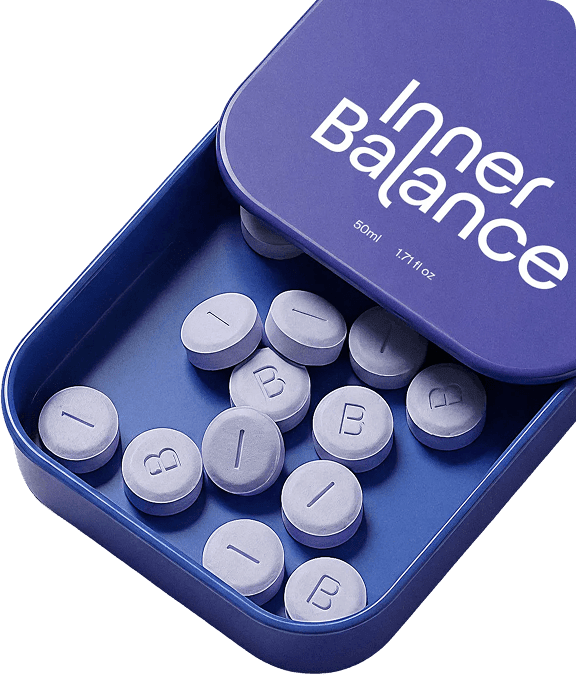
Libida™ represents a fundamentally different approach—a brain-first solution designed specifically for how women’s desire actually works. It combines bremelanotide with oxytocin for dual-pathway support.
Bremelanotide activates melanocortin receptors in the hypothalamus, boosting:
- Dopamine and motivation
- Sexual thoughts and anticipation
- Arousal response
Oxytocin activates bonding and emotional-safety pathways, supporting:
- Connection and closeness
- Emotional readiness for intimacy
- Relaxation and relational warmth
Together, these pathways address both neurochemical desire AND emotional connection—a dual approach that reflects how women’s sexuality actually works.
Libida™ in Practice: Simple, On-Demand Support
How to Use It
Libida™ comes as a sublingual lozenge—no injections, no daily pills. Simply place it under your tongue approximately 45-60 minutes before intimacy. Effects may last 24-72 hours, giving flexibility rather than pressure.
What clinical evidence shows:
- Increased desire and arousal
- More satisfying sexual events
- Reduced distress about sexuality
- Restored fantasies and responsiveness
Who Benefits Most
Libida™ works for:
- Women whose desire feels muted, disconnected, or missing
- Women who identify with “my spark is gone” even though they love their partner
- Women whose hormones are optimized but desire still feels flat
- Women seeking a non-hormonal, on-demand option
Because Libida™ is non-hormonal, it’s compatible with any hormonal status—use it alone or alongside Oestra™ for comprehensive support.
Cost and Accessibility
At approximately $8-$10 per experience, Libida™ offers accessible pricing. Subscription options start around $199/month for 10 tablets, with HSA/FSA eligibility making it even more accessible.
Starting Treatment Online: Why Telehealth Works
The Privacy Advantage
Many women with low libido never seek help, largely due to embarrassment. Telehealth removes this barrier entirely.
No waiting room where you might see someone you know. No rushed conversation squeezed into a 15-minute appointment. No explaining to a receptionist why you need this specific appointment type. Just private, confidential consultation from wherever you’re comfortable.
How the Inner Balance Process Works
Getting started takes less than an hour:
Step 1: Complete Your Health Assessment (5 minutes)
Answer questions about your symptoms, medical history, and treatment goals through a secure online portal.
Step 2: Physician Review (24-48 hours)
A board-certified physician reviews your information and determines appropriate treatment options—Oestra™ for hormonal support, Libida™ for on-demand desire enhancement, or both.
Step 3: Prescription and Delivery
Approved prescriptions ship directly to your door in discreet packaging. No pharmacy pickup required.
Step 4: Ongoing Support
Access unlimited communication with your care team for check-ins, dose adjustments, and questions.
What Makes Inner Balance Different
Founded by Dr. Sarah Daccarett, MD—a board-certified physician specializing in women’s hormonal health and longevity medicine—Inner Balance operates on a fundamental principle: a woman deserves to be believed by her doctor.
This means:
- Symptom-based treatment rather than dismissal based on “normal” lab values
- Personalized protocols adjusted to how you actually feel
- Licensed medical practice across all 50 states ensuring consistent care quality
When Hormones and Brain Support Work Together
The Comprehensive Approach
For many women, optimal results come from addressing both hormonal foundation AND neurochemical desire pathways.
Oestra™ creates the biological conditions for desire—balanced mood, energy, vaginal comfort, and hormonal stability.
Libida™ amplifies the neurological “spark”—the wanting, anticipation, and emotional readiness that makes intimacy feel desirable rather than obligatory.
Used together, they address the full spectrum of what influences female sexuality. Used separately, they target specific needs based on your situation.
How to Know Which You Need
If your symptoms include irregular cycles, hot flashes, vaginal dryness, sleep disruption, or mood changes alongside low libido, hormonal imbalance is likely contributing. Oestra™ addresses these foundational issues.
If your hormones feel balanced but desire still seems missing—or if you want on-demand support for specific occasions—Libida™ targets the brain-based component.
Many women benefit from both, especially during perimenopause and menopause when hormonal shifts and neurochemical changes often occur simultaneously.
Taking the First Step
Your low libido isn’t something to “just live with.” It’s not a personal failing or inevitable consequence of aging. It’s often a treatable condition with biological roots—hormonal, neurochemical, or both.
Recent clinical guidelines confirm what many have suspected: this is a real medical condition deserving real medical treatment. And thanks to telehealth, that treatment is more accessible than ever.
Inner Balance offers the comprehensive approach your sexuality deserves—Oestra™ for hormonal restoration, Libida™ for desire enhancement, and board-certified physician support throughout your treatment.
Frequently Asked Questions
How do I know if my low libido is “bad enough” to warrant medical attention?
If your reduced desire has persisted for six months or longer AND causes you personal distress—not just your partner’s concern—it meets clinical criteria for evaluation. You don’t need to reach a crisis point before seeking help. If low libido is affecting your quality of life, self-esteem, or relationship, that’s reason enough to explore treatment options.
Can I use Libida™ if I’m already on hormone therapy?
Yes. Libida™ is non-hormonal and compatible with any hormonal status—including Oestra™ or other hormone replacement therapies. Many women find the combination particularly effective, as hormone therapy addresses the biological foundation while Libida™ targets brain-based desire pathways.
How quickly will I notice results from treatment?
The timeline varies by treatment type. With Libida™, effects begin within 45-60 minutes and may last 24-72 hours—providing on-demand support. With Oestra™, most women notice improvements in sleep, mood, and vaginal comfort within 2-4 weeks, with libido improvements often following as hormones stabilize over 8-12 weeks.
Is online treatment as effective as seeing a doctor in person?
For sexual health concerns, telehealth can be a strong fit because it increases privacy and lowers friction for starting the conversation. Research on sexual and reproductive health telehealth highlights convenience and confidentiality as common benefits, though some situations still benefit from in-person evaluation. Inner Balance physicians are board-certified and licensed in all 50 states, providing the same medical expertise as in-person specialists.
What if I’ve tried other treatments for low libido that didn’t work?
Previous treatment challenges often indicate incomplete addressing of underlying causes. If you tried hormone therapy alone, your neurochemical desire pathways may need support. If you tried other desired medications, the emotional connection component may have been missing. If you tried lifestyle changes only, biological factors weren’t addressed. Inner Balance’s approach—evaluating both hormonal and neurochemical factors—identifies what previous treatments may have missed.


