


If you’ve watched your desire fade since menopause, you’re not alone—a significant majority of post-menopausal women experience low libido. The frustration builds when lubricants only offer short-term help, supplements overpromise, and prescriptions come with side effects or require daily doses you’d rather skip. What many treatments miss is that low libido after menopause stems from two interconnected challenges: declining hormones and changes in brain chemistry that regulate desire. Your spark didn’t vanish because something is wrong with you—your body’s signaling systems have simply quieted down. The good news? Science now offers targeted solutions that address both pathways. At Inner Balance, we’ve developed Libida™—the first women-first libido solution combining bremelanotide and oxytocin in a convenient sublingual tablet. This dual-pathway approach addresses both neurochemical desire and emotional connection, reflecting how women’s sexuality actually works.
Key Takeaways
- Libida™ combines bremelanotide with oxytocin for dual-pathway desire support—no injections required
- Low libido in post-menopause involves both hormonal decline AND brain chemistry changes—effective treatment addresses both
- On-demand options like Libida™ work within 45-60 minutes with effects lasting 24-72 hours, versus daily medications requiring weeks to work
- The most effective approach often combines hormonal optimization with targeted brain-based desire support
- Libida™ is non-hormonal and works alongside hormone replacement therapy or on its own
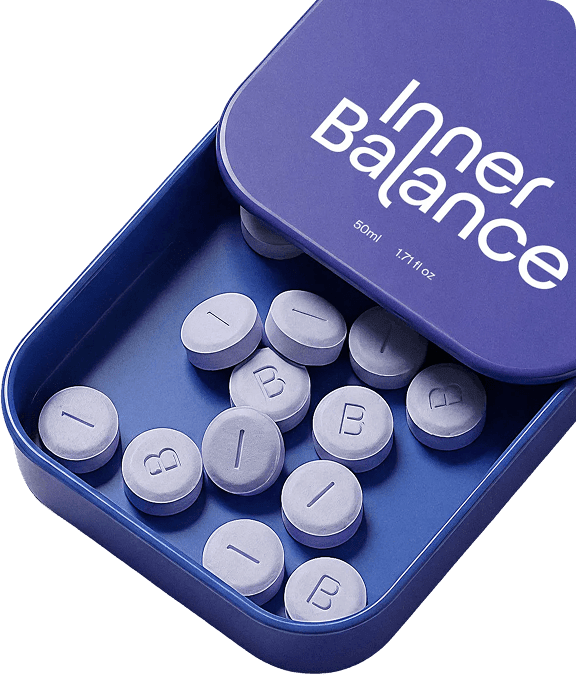
1. Libida™: The First Women-Designed Dual-Pathway Libido Solution
Inner Balance created Libida™ specifically for women whose desire has gone quiet—not because something is broken, but because the brain signals that spark desire have been turned down by stress, hormonal shifts, and the mental load of daily life.
Unlike medications designed around male sexuality, Libida™ reflects how women’s desire actually functions, combining two powerful ingredients that work synergistically to restore both the neurochemical spark and the emotional connection that define female sexuality.
How Libida™ Works
Libida™ combines two complementary active ingredients that target the dual pathways of women’s desire:
Bremelanotide activates melanocortin receptors (MC4R) in the hypothalamus, boosting dopamine—the neurotransmitter behind:
- Motivation and sexual thoughts
- Anticipation and arousal
- Wanting and desire
Oxytocin activates bonding and emotional-safety pathways, supporting:
- Connection and closeness
- Emotional readiness
- Relational warmth
- Feeling “in the moment”
Together, these ingredients replicate how actual female desire works: motivation plus connection equals arousal.
What Sets Libida™ Apart
Take a tiny sublingual lozenge approximately 45-60 minutes before intimacy. Effects may last 24-72 hours, giving you flexibility without pressure. There’s no daily commitment, no waiting weeks for results, and no injection required.
Libida™ offers several key advantages:
- Dual-pathway approach addressing both neurochemical desire AND emotional connection
- Sublingual tablet—no needles, no injections, just a small lozenge that dissolves under your tongue
- On-demand convenience for use when you want, not every day
- Works with or without hormone replacement therapy
Pricing:
- One-time purchase: $249 for 10 tablets
- Subscription: $199 for 1-month supply (10 tablets)
Clinical trials of bremelanotide demonstrate increased desire and arousal, more satisfying sexual events, reduced distress from low libido, and restored fantasies and responsiveness. The addition of oxytocin enhances emotional connection—a dimension that reflects the real biology of female desire.


2. Vyleesi (Bremelanotide Injection)
Vyleesi uses the same active ingredient as Libida™—bremelanotide—to activate brain pathways associated with sexual desire. Approved by the FDA for premenopausal women with hypoactive sexual desire disorder, this medication requires self-injection into the abdomen or thigh approximately 45 minutes before intimacy. It represents an important advancement in treating low libido through brain-based mechanisms rather than simply addressing physical symptoms.
How Vyleesi Functions
Vyleesi works by activating melanocortin receptors in the central nervous system, which increases dopamine activity in areas of the brain responsible for:
- Sexual motivation
- Arousal
- Desire anticipation
The medication is administered via a pre-filled autoinjector pen that delivers a subcutaneous dose.
Users inject Vyleesi at least 45 minutes before anticipated sexual activity. Effects are intended to begin around that timeframe, though the duration can vary and hasn’t been fully characterized. The on-demand nature means it’s not taken daily, offering flexibility for spontaneous intimacy.
For women seeking an FDA-approved option specifically indicated for hypoactive sexual desire disorder, Vyleesi offers a clinically validated approach to restoring desire through neurochemical pathways.
3. Addyi (Flibanserin)
Addyi received an FDA indication expansion in December 2025 to include postmenopausal women under 65, expanding its original indication for premenopausal women. This daily pill works by modulating serotonin neurotransmission while increasing dopamine and norepinephrine activity in the brain.
As the first FDA-approved oral medication for low sexual desire in women, Addyi represents a different approach from on-demand treatments, requiring consistent daily use to achieve therapeutic effects.
Mechanism and Usage
Addyi works by adjusting the balance of neurotransmitters involved in sexual desire:
- Acts as a serotonin 1A receptor agonist and serotonin 2A receptor antagonist
- Affects dopamine and norepinephrine pathways
- Modulates brain chemistry related to desire
The medication requires taking 100mg nightly at bedtime on an ongoing basis. Unlike on-demand options, Addyi typically requires 4-8 weeks of consistent use before effects become noticeable.
For women who prefer a daily oral medication, Addyi offers an FDA-approved option that addresses sexual desire through neurotransmitter modulation.
4. Bonafide Ristela
Ristela is an over-the-counter supplement that takes a circulatory approach to supporting sexual wellness. This daily supplement combines L-arginine, L-citrulline, and French maritime pine bark extract—ingredients studied for their ability to support blood flow and physical arousal responses.
As a non-prescription option, Ristela appeals to women seeking a supplement-based approach to sexual wellness that focuses on improving physical arousal through enhanced circulation to genital tissues.
Active Ingredients and Function
Ristela’s formula centers on supporting nitric oxide production and vascular function:
L-arginine and L-citrulline are amino acids that:
- Convert to nitric oxide in the body
- Support blood vessel dilation
- Improve circulation
French maritime pine bark extract contains antioxidants called proanthocyanidins that may:
- Support vascular health
- Enhance blood flow
- Contribute to overall circulatory wellness
The combination aims to improve physical arousal responses by enhancing blood flow to genital tissues.
Ristela may be HSA/FSA eligible depending on your plan (some purchases require additional eligibility steps, such as documentation) and represents one of the few over-the-counter supplements with clinical support specifically for women’s sexual wellness during menopause.
5. Intrarosa (Prasterone/DHEA)
Intrarosa is an FDA-approved vaginal insert containing prasterone, a synthetic form of DHEA (dehydroepiandrosterone) that converts locally to both estrogen and testosterone within vaginal tissues. Indicated specifically for moderate to severe dyspareunia (painful intercourse) due to menopause, Intrarosa addresses the physical changes that can make intimacy uncomfortable.
This nightly vaginal suppository provides a localized hormone approach that works directly in vaginal tissues rather than systemically throughout the body.
How Intrarosa Works Locally
Prasterone converts to both estrogen and testosterone in vaginal tissues through local enzymatic processes:
The locally produced estrogen helps:
- Restore vaginal tissue thickness
- Improve elasticity
- Enhance natural lubrication that declines after menopause
Local testosterone production may contribute to:
- Improved blood flow
- Enhanced tissue vitality
- Better overall vaginal health
This dual conversion addresses multiple aspects of vaginal comfort. Because the conversion happens locally in tissues, Intrarosa minimizes systemic hormone exposure compared to oral or transdermal hormone therapies.
For women primarily concerned with painful intercourse and preferring an FDA-approved vaginal DHEA option, Intrarosa offers localized tissue support.
6. Red Clover Supplements
Red clover is a traditional herbal remedy containing plant compounds called isoflavones that weakly mimic estrogen in the body. These phytoestrogens—particularly biochanin A, formononetin, genistein, and daidzein—have been studied for their potential to provide gentle hormonal support during menopause.
Small studies suggest modest benefits for vaginal dryness and libido in menopausal women, making red clover an option for those seeking plant-based, supplemental support for menopausal symptoms including aspects of sexual wellness.
Phytoestrogen Activity
Red clover’s isoflavones bind to estrogen receptors in the body, though with much weaker activity than bioidentical estradiol. This mild activity may provide subtle support for tissues affected by estrogen decline without strong hormonal effects.
Key characteristics:
- Gentle, plant-based support
- Contains multiple isoflavone compounds
- May offer modest benefits for vaginal dryness
- Potential support for overall menopausal wellness
Red clover represents a gentle, low-cost option for women seeking phytoestrogen support as a complement to other approaches or as an introductory step.
7. Korean Red Ginseng
Korean red ginseng is a traditional adaptogenic herb with a long history of use in Asian medicine for vitality and sexual health. Research reviews suggest it may improve sexual arousal in menopausal women, potentially through its effects on stress response, energy levels, and circulation.
As an adaptogen, Korean red ginseng helps the body manage stress more effectively, which can indirectly influence libido since chronic stress is a significant contributor to low desire in many women.
Adaptogenic Properties
Korean red ginseng works through multiple mechanisms:
Stress response modulation:
- Helps support healthy cortisol patterns
- Reduces the physiological impact of chronic stress
- Supports overall resilience
Vitality and circulation:
- Contains ginsenosides—bioactive compounds
- May improve circulation
- Supports energy production at a cellular level
By reducing stress burden and supporting overall vitality, Korean red ginseng may create conditions more favorable for sexual desire.
For women whose low libido is strongly connected to stress, fatigue, or depleted energy, Korean red ginseng offers traditional adaptogenic support that addresses these underlying factors.
8. Maca Root
Maca is a Peruvian root vegetable traditionally used for fertility, energy, and libido. Some evidence suggests it may help with sexual function during menopause and antidepressant-related sexual side effects.
Maca contains unique compounds called macamides and macaenes that may influence hormonal balance and energy metabolism. As a food-based supplement, maca offers a gentler approach for women interested in traditional remedies.
Traditional Use and Evidence
Maca has been consumed as food in Peru for thousands of years.
Potential benefits:
- May support sexual desire
- Some studies suggest benefits for sexual dysfunction in menopausal women
- Traditional use for energy and vitality
- Food-based approach to wellness
Some studies suggest maca may support sexual desire and reduce sexual dysfunction in menopausal women. The effects tend to be subtle and variable between individuals.
For women who prefer traditional, food-based remedies and want to incorporate maca into their overall wellness approach, it represents a gentle option with cultural history.
The Bottom Line
Libida™ earned the top position because it’s the only libido product designed around how women’s desire actually works—combining brain-based desire support with emotional connection pathways in a convenient sublingual tablet. No injections, no daily pills, no alcohol restrictions.
For women whose desire has quieted despite hormone therapy, Libida™ offers targeted support when you need it. For those still experiencing hormonal symptoms, combining Libida™ with hormone optimization creates a comprehensive approach that addresses both the foundation and the spark.
Other options offer different approaches—medications, supplements, and localized treatments. But if you’re ready to stop managing and start feeling like yourself again, Inner Balance offers something different: treatments designed by women, for women, based on how your body actually works.
Frequently Asked Questions
What makes Libida™ different from Vyleesi or other PT-141 products?
Libida™ is the only product combining bremelanotide (the same active ingredient used in Vyleesi) with oxytocin. While Vyleesi requires self-injection, Libida™ is a sublingual tablet. The oxytocin component addresses emotional connection and bonding—pathways that injectable bremelanotide alone doesn’t support. This dual-pathway approach reflects how women’s sexuality actually functions, targeting both neurochemical desire and emotional connection.
Can I use Libida™ if I’m already on hormone replacement therapy?
Yes. Libida™ is non-hormonal and compatible with any hormonal status. Many women find optimal results combining hormone restoration with Libida™ for targeted desire support. The two approaches work through different pathways and complement each other—hormones create the foundation while Libida™ activates the neurological and emotional spark.
How quickly does Libida™ work, and how long do effects last?
Take Libida™ approximately 45-60 minutes before intimacy. Effects may last 24-72 hours, giving you flexibility without pressure. This contrasts with daily medications like Addyi, which require 4-8 weeks of consistent use before any effects appear. The on-demand nature means you use it when you want, not on a rigid schedule.
Are there any side effects or situations where Libida™ isn’t appropriate?
Libida™ is not appropriate during pregnancy, breastfeeding, with uncontrolled hypertension, or certain cardiovascular conditions. The bremelanotide component may cause temporary flushing or nausea in some women, similar to Vyleesi but typically milder with sublingual delivery. Our physicians review your health history before prescribing to ensure safety.
How do I get started with Libida™?
Take our 5-minute health assessment to see if Inner Balance is right for you. A board-certified physician reviews your information and creates a personalized treatment plan. Prescriptions ship directly to your door with ongoing support from our care team. We’re licensed in all 50 states and accept HSA/FSA.


