


If your desire has gone missing despite loving your partner, you’re not imagining things—and it’s not a character flaw. Chronic stress can disrupt the hormonal and brain signaling that supports sexual desire, and some research suggests the stress–desire link may be stronger in women than in men. The good news: once you understand how cortisol hijacks your hormones, you can break the cycle. Inner Balance offers targeted solutions—from Oestra™ for foundational hormone restoration to Libida™ for on-demand desire support—designed to address both the hormonal root cause and the neurochemical pathways that fuel female desire.
Key Takeaways
- Women are uniquely vulnerable: Research confirms higher cortisol levels significantly correlate with lower sexual desire in women specifically—not men
- Cortisol suppresses sex hormones: Chronic stress directly decreases testosterone, estrogen, and progesterone production, creating a hormonal environment hostile to desire
- The vicious cycle is real: Low libido increases stress, which further elevates cortisol, which further suppresses hormones—creating a self-perpetuating pattern
- HPA axis dysfunction is measurable: Women with persistent low desire show clinical markers of endocrine dysfunction, not just “stress”
- Multi-modal solutions work: Breaking the cycle requires addressing both hormonal imbalances and the brain pathways that generate desire


Understanding the Cortisol-Sex Drive Connection: What Your Body Is Telling You
The Fight-or-Flight Response and Libido
Your body evolved to prioritize survival over reproduction. When you’re stressed, your adrenal glands release cortisol to help you fight or flee. This made perfect sense for our ancestors escaping predators. But in modern life, your stress response doesn’t distinguish between a charging lion and a demanding boss, financial pressure, or caregiving overload.
When cortisol stays elevated chronically, your body essentially decides that sexual activity isn’t a survival priority. Research shows this isn’t metaphorical—it’s physiological. Cortisol directly competes with sex hormone production, and survival always wins.
How Chronic Stress Impacts Hormone Production
The hypothalamic-pituitary-adrenal (HPA) axis controls your stress response. When chronically activated, it disrupts every hormone that matters for desire. Studies demonstrate that elevated cortisol:
- Suppresses testosterone production (your primary desire hormone)
- Disrupts estrogen and progesterone secretion
- Depletes DHEA—the “mother hormone” that converts to both estrogen and testosterone
- Interferes with thyroid function, compounding fatigue and low mood
This isn’t one problem causing another. It’s a coordinated hormonal shutdown that makes desire feel impossible.
Cortisol’s Direct Effects on Sexual Function
A University of Texas study examined women with high chronic stress versus average stress levels. The high-stress group showed both higher cortisol and lower genital arousal—measurable physical changes, not just psychological ones.
An Austrian study published in Psychoneuroendocrinology tracked 63 participants over 14 days. When women reported higher stress, they experienced lower sexual desire and arousal at the same time. Higher cortisol levels were significantly associated with lower concurrent sexual desire in women—but not in men.
This gender difference matters. Women’s sexuality operates through different neurobiological pathways than men’s, and stress disrupts these pathways more profoundly.
The Many Faces of Stress: Identifying Your Unique Triggers
Recognizing the Signs of Chronic Stress
Chronic stress doesn’t always feel like panic or overwhelm. It often presents as:
- Persistent fatigue despite adequate sleep
- Difficulty concentrating or mental fog
- Irritability or emotional flatness
- Weight gain especially around the midsection
- Sleep disruption
- Hair loss or skin changes
Many women in their 30s-60s experience hormonal imbalance symptoms yet often don’t recognize the hormonal connection. They blame themselves for not managing stress better, when the real issue is biochemical.
Daily Habits That Contribute to Hormonal Stress
Beyond major life stressors, everyday patterns compound cortisol dysfunction:
- Sleep deprivation (anything less than 7 hours) prevents cortisol from following its healthy daily rhythm
- Poor nutrition—especially blood sugar spikes and crashes—triggers stress hormones
- Overexercising (yes, too much) can raise cortisol rather than lower it
- Constant digital connectivity keeps the nervous system activated
- Caffeine dependence artificially props up stress hormone production
Each of these stressors individually may seem manageable. Together, they create an environment where your body never exits stress mode—and desire disappears.
Mind-Body Connection: Stress and Sexual Health
In the University of Texas study, cognitive distraction was the strongest predictor of decreased arousal—even more than cortisol levels themselves. Women in high-stress groups scored 66.6% on attention tests during sexual stimuli, compared to 78.8% for average-stress groups.
Stress doesn’t just suppress hormones—it hijacks your mental presence. You can’t desire what you’re not present to experience. This means effective treatment must address both hormone levels and your capacity for mental engagement during intimacy.
Lifestyle Strategies to Rebalance Cortisol and Reignite Your Spark
Harnessing Mindfulness for Hormonal Harmony
Mindfulness-based practices directly impact cortisol patterns. Clinical research shows meditation, yoga, and deep breathing exercises can lower cortisol and improve the body’s stress resilience. Even 10 minutes daily creates measurable changes.
For sexual function specifically, mindfulness-based cognitive therapy shows promise for low desire by training the brain to stay present rather than distracted during intimacy.
Nutrition for Adrenal Health and Libido Support
What you eat directly impacts cortisol regulation. Evidence-based strategies include:
- Mediterranean-style eating: Anti-inflammatory foods support hormonal balance
- Blood sugar stability: Regular protein-rich meals prevent cortisol spikes
- Magnesium-rich foods: Crucial for stress resilience and hormone production
- Omega-3 fatty acids: Reduce inflammation and support brain pathways involved in desire
- Limiting caffeine and alcohol: Both disrupt cortisol rhythms and hormone balance
Specific supplements show cortisol-lowering effects. Ashwagandha can reduce cortisol up to 28% in clinical studies. L-theanine and phosphatidylserine also support adrenal function.
The Role of Sleep in Sexual Wellness
Sleep isn’t optional for hormonal health—it’s foundational. Cortisol follows a circadian rhythm, peaking in the morning and declining at night. Sleep deprivation disrupts this pattern, keeping evening cortisol elevated when it should be low.
Seven to nine hours of quality sleep supports proper hormone cycling. Regular exercise helps too, but timing matters. Moderate exercise (40+ minutes, 4 times weekly) reduces stress, while intense evening workouts can raise cortisol and disrupt sleep.
Hormonal Harmony: How Bioidentical Therapies Can Support Your Body’s Balance
When Hormone Imbalance Is the Root Cause
Lifestyle modifications support hormonal health—but sometimes they’re not enough. When stress has depleted your hormones for months or years, your body needs more than management strategies. It needs restoration.
A landmark UBC study of 275 women found those diagnosed with hypoactive sexual desire disorder (HSDD) showed multiple markers of HPA axis dysregulation: lower morning cortisol, lower morning DHEA levels, flatter daily cortisol patterns, and blunted cortisol awakening response.
This is clinical endocrine dysfunction—measurable, objective, and treatable. It’s not “all in your head.”
The Benefits of Bioidentical Hormones
Bioidentical hormones are molecularly identical to what your body naturally produces. Unlike synthetic hormones found in birth control or older HRT formulations, bioidentical estradiol and progesterone bind properly to receptors and send the right signals to your cells.
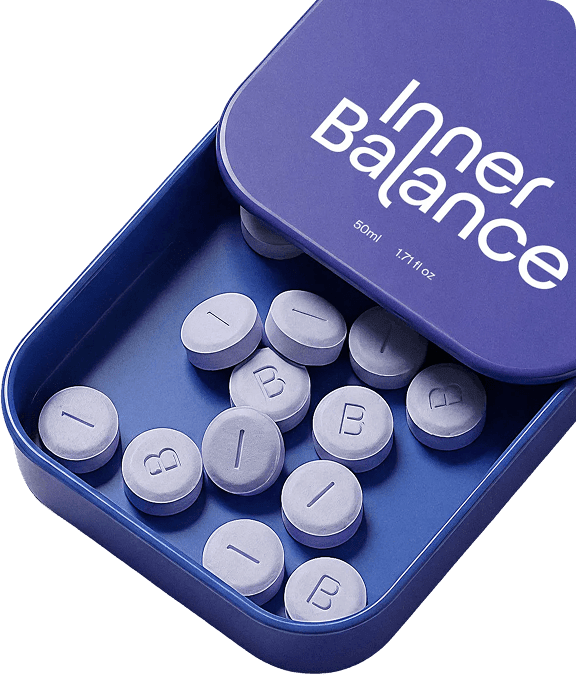
Oestra™ delivers both bioidentical estradiol and progesterone through vaginal application, achieving significantly higher bioavailability compared to oral forms while bypassing liver metabolism.
Targeting Systemic Symptoms for Overall Well-being
Progesterone is the body’s most abundant hormone and crucial for mood, sleep, and libido. It enhances GABA-A signaling via its neuroactive metabolites, which can support calmer mood and better sleep—two foundations that often help libido recover.
Estradiol supports serotonin and dopamine pathways, improving motivation, mental clarity, and emotional resilience. When these foundational hormones are restored, many women experience improved desire as part of whole-body wellness.
Inner Balance data shows approximately 75% of women report improved sex drive with Oestra™, alongside improved mental health and better sleep. These aren’t separate benefits—they’re interconnected results of hormonal restoration.
When Hormones Aren’t Enough: Addressing the Neurochemical Spark of Desire
The Brain’s Role in Sexual Arousal
Sometimes hormones are balanced but desire still feels absent. That’s because female desire doesn’t just happen in your ovaries—it originates in your brain.
The hypothalamus contains melanocortin receptors (MC4R) that regulate sexual motivation. Dopamine pathways control anticipation, excitement, and the mental “spark” of desire. Oxytocin pathways govern bonding, emotional safety, and the relational warmth that makes intimacy feel inviting.
For women, these systems work together. Desire isn’t just physical arousal—it’s mental engagement, emotional connection, and psychological readiness. Stress disrupts all of these simultaneously.
Understanding the Dual Pathways of Desire
Female sexuality operates through what researchers call a dual control model—excitatory systems that accelerate desire and inhibitory systems that suppress it. Stress is a powerful inhibitor. Even when hormones are adequate, elevated cortisol and mental distraction can keep the brakes firmly pressed.
This explains why some women don’t fully respond to hormone therapy alone. Their foundational hormones may be restored, but the brain pathways generating desire need separate support.
Libida™: The Brain-First Approach to Reclaiming Your Sexual Connection
How Libida™ Targets Desire and Connection
Libida™ is the first women-first libido solution combining two pathways: bremelanotide and oxytocin. This dual-action approach addresses both the neurochemical spark of desire and the emotional connection that shapes women’s arousal.
Bremelanotide activates melanocortin receptors (MC4R) in the hypothalamus, boosting:
- Dopamine and motivation
- Sexual thoughts and anticipation
- Arousal and responsiveness
Oxytocin activates bonding and emotional-safety pathways, supporting:
- Connection and closeness
- Emotional readiness
- Relaxation into intimacy
Together, they reflect how women’s sexuality actually works—not just physical response, but mental desire and emotional engagement working in harmony.
The Power of On-Demand Support
Unlike daily medications, Libida™ is taken on-demand as a sublingual lozenge approximately 45-60 minutes before intimacy. No injections. No daily pills. Effects may last 24-72 hours.
This flexibility means you’re in control. Use it when you want support, skip it when you don’t. It’s compatible with any hormonal status and can be used with or without Oestra™.
Who Can Benefit from Libida™
Libida™ is designed for women whose desire feels muted, disconnected, or missing:
- Women who identify with “my spark is gone” or “I love my partner, but I never feel like it”
- Women whose hormones are addressed but desire still feels flat
- Women with HSDD or persistent low libido who haven’t fully responded to hormone therapy alone
It contains the same active ingredient used in injectable treatments for desire, compounded for sublingual use under clinician guidance. Starting at approximately $199/month on subscription, with estimated cost per use around $8-$10 per experience.
Comparing Your Options: Why Libida™ Stands Out
Injection-Free Desire
Current prescription options like Vyleesi require injection—a barrier that prevents many women from seeking treatment. Libida™’s sublingual tablet eliminates this obstacle entirely. No needles, no injection anxiety, no preparation hassle.
The Oxytocin Factor
No other product combines bremelanotide with oxytocin. Competitors address only the neurochemical drive for desire—they miss the emotional connection and bonding pathways that shape women’s arousal. Libida™ is the only dual-pathway approach available.
Value and Convenience
At approximately $8-$10 per experience, Libida™ offers significant value:
- One-time purchase: Around $249 for 10 tablets
- Best value subscription: $249 for 20 tablets (charged every 2 months)
- Monthly subscription: Around $199/month for 10 tablets
HSA/FSA eligible. No membership fees. Modern wellness approach designed for women, by a women’s health physician.
Personalized Care: Your Path to Restored Sex Drive with Inner Balance
The Telehealth Advantage
Inner Balance operates through board-certified physicians, providing prescription-based care through a fully remote model. Complete a five-minute online health assessment, receive physician approval within 24-48 hours, and have medications shipped directly to your home.
Beyond Labs: Focus on Symptoms
Inner Balance emphasizes symptom-based treatment—because how you feel matters more than numbers on a page. Are you sleeping better? Is your mood more stable? Has your desire returned? These are the changes that matter.
Ongoing Support for Lasting Results
Treatment isn’t one-and-done. Inner Balance provides unlimited access to healthcare experts, personalized treatment plans with ongoing dose adjustments, and regular check-ins for symptom monitoring. Your care team guides you throughout treatment, adjusting protocols based on your response.
Whether you need foundational hormone restoration with Oestra™, targeted desire support with Libida™, or both working together—you have expert guidance every step of the way.
Frequently Asked Questions
How does elevated cortisol impact sex drive?
Cortisol competes with sex hormone production at the adrenal level. When cortisol stays elevated, your body prioritizes stress response over reproductive hormones, directly suppressing testosterone, estrogen, and progesterone—all crucial for desire. Research shows this effect is stronger in women than men, with higher cortisol significantly correlating with lower concurrent sexual desire in women specifically.
Can stress cause low libido with balanced hormones?
Yes. Clinical studies show cognitive distraction from chronic stress is a powerful predictor of decreased arousal, independent of hormone levels. Stress hijacks your mental presence, preventing engagement with sexual stimuli even when the physical capacity for arousal remains intact. This is why addressing both hormonal and neurochemical pathways with solutions like Oestra™ and Libida™ produces better outcomes.
Is Libida™ suitable with hormone therapy?
Absolutely. Libida™ is non-hormonal and compatible with any hormonal status. It’s positioned as the “missing piece” for women whose desire lags even when hormones are optimized. Oestra™ addresses foundational hormone balance, while Libida™ targets the brain pathways that generate desire and emotional connection. Many women benefit from using both together.
What differentiates Libida™ from competitors?
Libida™ is the only product combining bremelanotide with oxytocin—addressing both neurochemical desire and emotional connection. It’s delivered as a sublingual tablet rather than injection, eliminating needle anxiety. At approximately $8-$10 per experience, it’s more cost-effective than competitors. The oxytocin component enhances bonding and relational warmth—something no other libido treatment provides.
How quickly can I expect results?
Lifestyle strategies like improved sleep, exercise, and adaptogens typically show cortisol-lowering effects within 4-8 weeks. Libida™ works on-demand, taken 45-60 minutes before intimacy, with effects that may last 24-72 hours. For foundational hormone restoration with Oestra™, most women notice improvements in mood, sleep, and energy within 10-14 days, with full benefits building over 3-6 months.


