


If your spark feels gone—if you love your partner but never feel like it—you’re not imagining things, and you’re definitely not alone. Many postmenopausal women report low sex drive, yet most are told estrogen therapy will fix everything. It won’t. Your brain controls desire, and estrogen is only part of the equation. Inner Balance’s comprehensive approach addresses hormone imbalance at its root with Oestra™ for foundational hormone restoration, plus Libida™ for the neurochemical spark that makes you actually want intimacy again.
Key Takeaways
- Brain fog and low libido share pathways: The same brain regions controlling memory also regulate sexual motivation—explaining why up to 60% experience brain fog during menopause
- Estrogen alone isn’t enough: While vaginal hormone delivery provides significantly better bioavailability than oral pills, desire originates in dopamine and oxytocin pathways that hormones don’t directly activate
- Depression and sexual dysfunction matter most: Harvard research found these are the only menopause symptoms significantly linked to cognitive performance—not hot flashes
- Dual-pathway solutions exist: Libida™ combines bremelanotide (dopamine activation) with oxytocin (emotional connection) for on-demand desire support that works with your hormone therapy
- Timing is critical: Starting hormone therapy early in menopause provides optimal brain protection and symptom relief


Understanding the Menopause-Libido Connection: Beyond the Ovaries
The Hormonal Cascade of Menopause
When your ovaries slow hormone production, the effects ripple far beyond your reproductive system. Estrogen receptors exist in virtually every organ—including your brain, where they regulate serotonin, dopamine, and norepinephrine. These neurotransmitters don’t just affect mood; they drive motivation, anticipation, and sexual interest.
The decline starts earlier than most women realize. Progesterone drops first, often in your mid-30s, followed by erratic estrogen fluctuations that can last a decade before your final period. This hormonal chaos affects more than your cycles—it reshapes how your brain processes pleasure, connection, and desire.
Women experiencing perimenopause symptoms often describe feeling disconnected from their own sexuality. The body that once responded naturally now feels unfamiliar. This isn’t a psychological weakness. It’s biochemistry.
Psychological Factors Affecting Desire
Beyond hormones, menopause affects brain structure itself. Cambridge University research on 125,000 women found significant grey matter reductions in the hippocampus, entorhinal cortex, and anterior cingulate cortex—regions involved in emotion regulation, memory, and motivation.
These changes explain why women describe feeling “flat” or unable to summon interest in sex even when they intellectually want intimacy. The neural infrastructure supporting desire has physically changed. Treating only hormones may not address this structural reality.
The Estrogen Puzzle: What HRT Delivers (and What it Might Miss)
How Estrogen Impacts Sexual Function
Estrogen therapy addresses genuine physiological barriers to sexual function. Vaginal dryness affects 40-54% of postmenopausal women, causing pain that makes sex physically unpleasant. Estrogen restores tissue elasticity, lubrication, and comfort.
Oestra™ delivers bioidentical estradiol and progesterone through vaginal application, achieving significantly higher bioavailability than oral pills. This matters because vaginal delivery bypasses liver metabolism, avoiding the sedating byproducts that make oral progesterone cause drowsiness and mood instability.
Inner Balance data shows the majority of women report improved vaginal dryness, better sleep, and enhanced sex drive and arousal. These results stem from addressing hormone imbalance at its source—using delivery methods designed for effectiveness.
Limitations of Estrogen-Only Approaches
Yet here’s the reality: vaginal dryness doesn’t correlate with sexual desire in research studies. Women can have perfectly restored vaginal tissue and still feel zero interest in using it. The physical barrier is gone, but the mental spark remains absent.
Brain imaging studies show why. Menopausal women demonstrate significantly reduced brain activity in the thalamus, amygdala, and anterior cingulate cortex during sexual arousal compared to premenopausal women. These same regions control memory, attention, and cognitive processing.
Estrogen supports these brain regions but doesn’t directly activate the desired pathways. Something else does.
Brain Chemistry of Desire: Dopamine, Oxytocin, and the ‘Spark’
The Neurochemical Drivers of Desire
Sexual desire begins in your hypothalamus, where melanocortin receptors (particularly MC4R) regulate motivation, anticipation, and arousal. When these receptors activate, dopamine floods your reward circuits, creating the “wanting” that precedes physical arousal.
This explains why women with optimized hormones still report missing desire. Their estrogen and progesterone levels may be perfect, but their dopamine pathways remain dormant. Without neurochemical activation, the brain simply doesn’t generate sexual thoughts, fantasies, or the motivation to pursue intimacy.
Women describe this as losing their “spark”—a visceral absence of the mental component of sexuality that no amount of hormone therapy restores. They remember wanting sex. Now they don’t, and they can’t explain why.
Oxytocin: The Hormone of Connection
Female sexuality doesn’t work like male sexuality. While men often experience desire as pure physical drive, women’s arousal typically requires emotional safety, connection, and relational warmth alongside physical attraction.
Oxytocin—sometimes called the “bonding hormone”—supports this emotional dimension. Released during positive social interactions, touch, and intimacy, oxytocin enhances feelings of closeness and trust that allow women to relax into sexual experiences.
When oxytocin pathways are underactivated, women may feel physically ready but emotionally disconnected. They can’t access the sense of safety and closeness that makes intimacy appealing rather than obligatory.
Beyond Hormones: Introducing Brain-First Solutions for Female Libido
Why Traditional HRT May Need Support
Research comparing hormones for sexual function reveals a striking finding: testosterone increases sexual desire at supraphysiological levels—roughly 10 times normal concentrations. At physiological replacement doses, testosterone provides no significant libido benefit in controlled trials.
This means the common approach of adding testosterone to HRT often falls short of expectations. The challenge isn’t insufficient hormone replacement—desire originates in neurological pathways that hormones influence but don’t directly activate.
The Rise of Neurological Approaches
Understanding that female desire involves brain chemistry beyond hormones led to FDA approval of medications targeting these pathways directly. Flibanserin (Addyi) works on serotonin receptors but requires daily use and carries alcohol restrictions. Bremelanotide (Vyleesi) activates melanocortin receptors in the hypothalamus, boosting dopamine, but requires injection.
These options validated the concept of brain-first libido treatment but left women with impractical choices: daily pills with lifestyle restrictions or self-administered injections before intimacy.
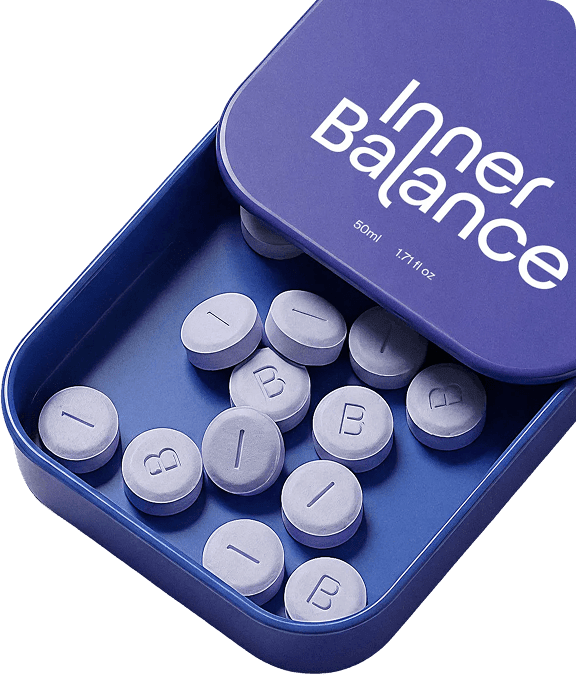
Libida™ represents the next evolution—a sublingual tablet combining bremelanotide with oxytocin, addressing both neurochemical desire and emotional connection without needles.
Libida™: A Dual-Pathway Approach to Rekindling Desire
How Bremelanotide Boosts Arousal
Bremelanotide activates melanocortin 4 receptors (MC4R) in your hypothalamus—the brain region controlling sexual motivation. This activation increases dopamine release, creating the neurochemical cascade that produces sexual thoughts, fantasies, anticipation, and arousal.
Clinical evidence for bremelanotide shows:
- Increased desire and arousal
- More satisfying sexual events
- Reduced distress about low libido
- Restored responsiveness and fantasies
Oxytocin’s Role in Intimacy and Bonding
What sets Libida™ apart from other libido solutions is the addition of oxytocin. While bremelanotide creates the neurochemical “spark” of desire, oxytocin supports the emotional dimension—bonding, closeness, feeling safe enough to be vulnerable with your partner.
This dual-pathway approach reflects how women’s sexuality actually works. Libida™ addresses both neurochemical desire AND emotional readiness—the complete picture of female arousal.
Together, bremelanotide and oxytocin create conditions for genuine wanting, not just physical capability. Women report feeling present, connected, and interested rather than going through the motions.
The ‘On-Demand’ Advantage: Flexibility and Control in Libido Support
Why On-Demand Matters for Women
Daily medications for libido create an unrealistic expectation: that you should want sex every single day. Real life doesn’t work that way. Schedules conflict, stress fluctuates, and intimacy happens spontaneously—or not at all for weeks.
Libida™ works on demand, taken approximately 45-60 minutes before intimacy. Effects may last 24-72 hours, meaning one dose can support multiple intimate encounters without repeated dosing. This flexibility matches how real relationships function.
The sublingual route means no prescription injection supplies, no refrigeration requirements, no awkward preparation. A tiny tablet dissolves under your tongue, and within an hour, your brain chemistry shifts toward receptivity.
Integrating Libida™ into Your Lifestyle
At approximately $8-10 per experience, Libida™ costs less than dinner out—and delivers something no date night alone can provide: neurochemical readiness for the intimacy that follows.
Women using Libida™ describe:
- Planning intimacy without dread
- Feeling genuinely curious about sex again
- Reconnecting with partners after years of sexual avoidance
The on-demand nature means no daily commitment, no building up or tapering off—just support when you want it.
Who is Libida™ For? Identifying When Your Spark Needs More
Recognizing Persistent Low Desire
Libida™ addresses a specific challenge: desire that feels muted, disconnected, or missing despite addressing other factors. If you identify with any of these descriptions, you may benefit:
- “I love my partner, but I never feel like it”
- “My spark is gone”
- “Sex feels like a chore rather than a pleasure”
- “I remember wanting intimacy—now I can’t summon any interest”
- “My hormones are optimized, but desire is still flat”
These experiences describe HSDD (Hypoactive Sexual Desire Disorder), which affects approximately 10% of adult women persistently and many more during menopause transitions.
When Hormones Alone Aren’t Enough
Many women using Oestra™ experience improved sex drive—the majority report positive changes. But some women’s desire remains flat even with optimized hormones. Their vaginal dryness resolves, their mood stabilizes, their sleep improves, yet the mental interest in sex doesn’t return.
For these women, Libida™ provides the missing piece. It’s not a replacement for hormone therapy—it’s a complement. Oestra™ builds the hormonal foundation; Libida™ activates the brain pathways that make you actually want to use it.
This is why Inner Balance developed both products: comprehensive hormone replacement therapy addressing the root cause of hormone imbalance, plus targeted neurological support for women whose desire needs more than hormones alone.
How Libida™ Compares to Other Libido Solutions
The injectable bremelanotide (Vyleesi) requires self-injection into the abdomen or thigh before intimacy, creating barriers that reduce convenience. Other providers offer injections at varying price points, all requiring injection.
Key Advantages:
- Injection-free delivery
- Dual-pathway formula (bremelanotide + oxytocin)
- On-demand flexibility
- Convenient sublingual administration
- Approximately $8-10 per experience with subscription
Libida™ is the only product combining bremelanotide with oxytocin. Other options address only the dopamine pathway. Libida™ addresses both neurochemical desire AND emotional connection—reflecting how women’s sexuality actually functions.
Integrating a Holistic Approach: Hormones, Brain, and Overall Well-being
Lifestyle Factors for Enhancing Desire
While Oestra™ and Libida™ address biological drivers of desire, lifestyle factors matter too. Research shows one extra hour of sleep increases sexual activity odds by 14%. Stress management, relationship quality, and physical health all influence sexual function.
But here’s what lifestyle changes alone cannot do: restore depleted hormones or activate dormant brain pathways. You cannot yoga your way to estrogen production or meditate dopamine into your hypothalamus. Biology requires biological solutions.
The ideal approach combines foundational hormone restoration with targeted neurochemical support, enhanced by sleep, stress reduction, and relationship attention. Each layer builds on the others.
The Synergy of HRT and Desire Support
Inner Balance’s ecosystem reflects this integrated philosophy:
- Oestra™ addresses hormone imbalance at its root—mood, sleep, metabolism, vaginal health, and the hormonal foundation for libido
- Libida™ provides neurological desire amplification—sexual motivation, fantasies, responsiveness, emotional connection
- Together, they address what menopause treatment rarely accomplishes alone: both the physical readiness AND the mental wanting
Women don’t need five separate providers and seven different products. They need a comprehensive approach from clinicians who understand that sexual health requires addressing both hormones and brain chemistry.
This is precisely what Inner Balance provides: physician-developed, science-backed solutions that treat the whole picture—not just isolated symptoms.
Frequently Asked Questions
Can I use Libida™ with hormone therapy?
Yes. Libida™ is non-hormonal and compatible with any hormonal status. It works through brain pathways (melanocortin receptors and oxytocin pathways) rather than hormone receptors. Many women find the combination most effective: Oestra™ optimizes their hormonal foundation while Libida™ provides the neurochemical activation that makes them actually want intimacy.
How quickly does it work?
Libida™ is taken approximately 45-60 minutes before anticipated intimacy. Effects may last 24-72 hours, meaning one dose can support multiple intimate encounters. Unlike daily medications requiring consistent use, Libida™ works on demand—you use it when you want its benefits.
Who should use Libida™?
Libida™ is designed for women whose desire feels muted, disconnected, or missing—particularly those who haven’t fully responded to hormone therapy alone. It’s not appropriate during pregnancy, breastfeeding, with uncontrolled hypertension, or certain cardiovascular conditions. Inner Balance physicians evaluate each woman’s situation to ensure appropriate treatment.
What’s the difference between hormonal and brain-based treatments?
Hormonal treatments like Oestra™ restore estrogen and progesterone, improving physical symptoms (vaginal dryness, sleep, mood) and creating conditions for sexual function. Brain-based treatments like Libida™ activate the neurochemical pathways (dopamine, oxytocin) that generate actual desire—the wanting, the interest, the spark. Most women benefit from both: the hormonal foundation AND the neurochemical activation.
Why doesn’t estrogen fix libido?
Estrogen therapy addresses tissues throughout your body, including brain regions involved in desire. However, research shows that desire involves specific neurochemical pathways (particularly dopamine via melanocortin receptors) that hormones support but don’t directly activate. This is why some women have perfect hormone levels yet absent desire—the hormonal foundation exists, but the neurological spark needs separate activation.


