


If you’ve ever thought “I love my partner, but I never feel like it,” you’re not imagining things—and you’re certainly not alone. Low sexual desire affects 36-39% of women, yet most treatments have been designed around male sexuality, ignoring how women’s desire actually works. The truth is, women’s libido isn’t just about hormones or physical arousal—it starts in the brain. Libida™, Inner Balance’s newest prescription formulation, addresses this reality by targeting both neurochemical desire pathways and emotional connection circuits that shape women’s sexuality.
Key Takeaways
- Dual-pathway approach: Libida™ combines bremelanotide (dopamine/motivation) with oxytocin (bonding/connection)—a women-first formulation designed to address both neurochemical and emotional pathways
- On-demand convenience: A tiny sublingual tablet taken 45-60 minutes before intimacy—no daily pills or injections required
- Brain-first mechanism: Works on melanocortin receptors in the hypothalamus to boost motivation, anticipation, and arousal at the source
- Non-hormonal option: Compatible with any hormonal status and can be used alongside Oestra™ or as a standalone solution
- Cost-effective: Around $20-$25 per experience with best-value plans—accessible pricing for brain-based desire support


Understanding Women’s Low Sex Drive: Beyond Hormones
The ‘Spark is Gone’ Phenomenon: What’s Happening?
When women describe their missing desire, they rarely say “I can’t physically respond.” Instead, they say things like “my spark is gone” or “I’m just not interested anymore.” This distinction matters because it reveals something fundamental: women’s low libido often originates in the brain, not the body.
Hypoactive Sexual Desire Disorder (HSDD) affects an estimated 7.4-12.3% of premenopausal women—estimated to represent over 10 million women in the United States. Yet 73-81% never mention it to their healthcare provider, often because they’ve been told their symptoms are “just stress” or “normal aging.”
The reality is more complex. Women’s sexuality involves an intricate interplay between:
- Neurochemical signaling
- Emotional safety
- Relationship dynamics
- Physical responsiveness
Unlike male arousal—which tends to be more linear and physically driven—women’s arousal patterns involve cognitive and emotional processing that either amplifies or inhibits desire before any physical response begins.
Why Traditional Approaches Miss the Mark
For decades, treatments for low libido focused almost exclusively on physical arousal or hormonal replacement. While hormone therapy remains essential for addressing imbalances in estradiol, progesterone, and testosterone, many women find their desire still feels flat even after hormones are optimized.
This happens because hormones create the foundation for desire, but the brain determines whether that foundation gets activated. Think of it like having a car with a full tank of gas (hormones) but no one turning the ignition (brain signaling). Both elements must work together.
Research confirms women with low desire process sexual stimuli differently at the neural level—their brains essentially apply too much “brake” and not enough “accelerator” when it comes to sexual motivation.
The Brain’s Role in Desire: Neurotransmitters and Connection
Dopamine: The Neurotransmitter of Motivation
Your brain’s reward system runs on dopamine—the neurotransmitter responsible for motivation, anticipation, and the experience of wanting something. When dopamine pathways are underactive, desire doesn’t just decrease; it essentially goes offline.
Neuroscience research reveals that women with HSDD show imbalanced neurotransmitter activity in the prefrontal cortex—too much serotonin (which acts as a “brake” on desire) and insufficient dopamine and norepinephrine (the “accelerators”). This imbalance creates what researchers call “top-down inhibition,” where cognitive interference blocks sexual response before it can begin.
The hypothalamus plays a central role in this process. This brain region contains melanocortin receptors (specifically MC4R) that, when activated, stimulate dopamine release and enhance sexual motivation. When these receptors are underactive, women experience:
- Diminished sexual fantasies
- Reduced responsiveness to sexual cues
- Difficulty becoming mentally engaged with intimacy
Oxytocin: Fostering Connection and Intimacy
While dopamine handles the “wanting” aspect of desire, oxytocin governs the emotional safety and bonding that women often require for genuine arousal. Often called the “bonding hormone,” oxytocin influences feelings of closeness, trust, and relational warmth.
For many women, desire isn’t just about neurochemical motivation—it’s about feeling emotionally connected and safe enough to be vulnerable. This is why stress, relationship tension, or feeling disconnected from a partner can completely shut down libido even when nothing is physically wrong.
The interaction between dopamine and oxytocin pathways reflects how women’s sexuality works: desire emerges from both neurochemical activation and emotional readiness. Addressing only one pathway leaves the other untouched—which is why so many single-mechanism treatments fail to deliver meaningful results.
Introducing Libida™: A Dual-Pathway Approach to Women’s Desire
How Bremelanotide Boosts Desire
Libida™ contains bremelanotide, the same active ingredient used in the injectable treatment for desire. Bremelanotide works as a melanocortin receptor agonist, primarily targeting MC4R receptors in the hypothalamus and other sexual arousal centers of the brain.
When bremelanotide activates these receptors, it triggers a cascade of effects:
- Increased dopamine activity in reward circuits
- Enhanced motivation and anticipation
- Restoration of sexual thoughts and fantasies
- Improved responsiveness to sexual stimulation
Importantly, available research suggests bremelanotide primarily targets melanocortin receptors involved in sexual motivation and has not demonstrated evidence of dependency or abuse potential in clinical trials.
Oxytocin’s Role in Relaxation and Intimacy
What makes Libida™ unique is the addition of oxytocin to the bremelanotide formulation. No other women’s libido product combines these two pathways.
Oxytocin supports the emotional dimensions of desire:
- Bonding and closeness with your partner
- Emotional safety and relaxation into intimacy
- Reduced anxiety around sexual performance
- Enhanced relational warmth and connection
By addressing both the neurochemical “spark” and the emotional “readiness,” Libida™ reflects how women’s sexuality actually functions—as an integrated experience of mind, emotion, and body.
How Libida™ Works: On-Demand, Non-Hormonal Brain Support
Convenient Sublingual Delivery
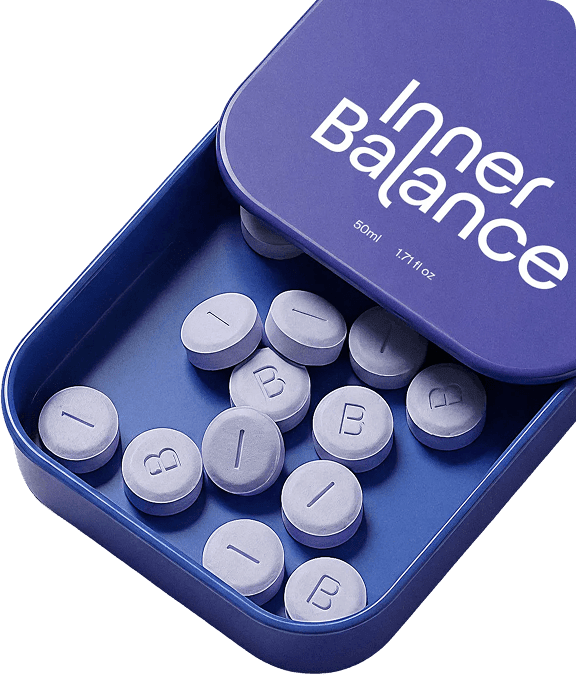
Unlike injectable alternatives that require self-administered shots, Libida™ comes as a tiny sublingual lozenge. You simply place it under your tongue approximately 45-60 minutes before anticipated intimacy. The sublingual route allows rapid absorption directly into your bloodstream, bypassing digestive processing.
This delivery method eliminates common barriers:
- No needles
- No injection site reactions
- No refrigeration or special storage
- Discrete tablet format
Quick Onset with Extended Support
Libida™’s on-demand design means you don’t take it daily—only when you want support for intimacy. After sublingual absorption, effects typically begin within 45-60 minutes and may provide an extended window of support.
Because Libida™ is non-hormonal, it’s compatible with any hormonal status. Whether you’re premenopausal, in perimenopause, postmenopausal, or already using hormone therapy, Libida™ can be integrated into your wellness approach.
Clinical Insights: What to Expect with Bremelanotide
Boosting Desire and Arousal
Clinical trials for bremelanotide demonstrate meaningful improvements in women’s sexual experience. Phase 3 studies showed statistically significant improvements in:
- FSFI-Desire scores (a validated measure of sexual desire)
- FSDS-DAO scores (measuring distress related to low desire)
- Subjective reports of increased arousal and sexual interest
- Restoration of sexual fantasies and responsiveness
In clinical trials, women demonstrated statistically significant improvements in validated measures of desire and reduced distress related to low libido.
Enhancing Sexual Satisfaction
Beyond desire metrics, women report qualitative improvements that matter in real relationships:
- Feeling more present during intimacy
- Experiencing genuine anticipation rather than obligation
- Improved communication with partners about sexual needs
- Reduced anxiety and self-consciousness
The clinical evidence supports what women describe experientially: bremelanotide is believed to enhance sexual desire by activating melanocortin receptors involved in motivation and arousal pathways.
Who Can Benefit from Libida™: Targeting Muted Desire
When Hormones Aren’t Enough
Libida™ is specifically designed for women whose desire feels muted, disconnected, or missing—particularly those who identify with statements like “my spark is gone” or “I love my partner, but I never feel like it.”
Ideal candidates include:
- Women with HSDD or persistent low libido
- Women whose hormones are optimized but desire still feels flat
- Women who haven’t fully responded to hormone therapy alone
- Women seeking a non-hormonal, on-demand option
- Women who want to avoid daily medication
If you’re already using Oestra™ for hormonal optimization but find your desire lagging, Libida™ may be the missing piece. Hormones create the biological foundation; Libida™ activates the neural pathways that transform potential into actual desire.
Reigniting the Spark in Long-Term Relationships
Many women in stable, loving relationships experience desire decline over time—not because anything is wrong with the relationship, but because the brain’s novelty-seeking dopamine pathways naturally quiet in familiar contexts.
Libida™ can help restore that neurochemical spark without requiring relationship changes. By activating melanocortin receptors and enhancing oxytocin-mediated bonding, it supports both the motivation to initiate intimacy and the emotional connection to enjoy it fully.
Important Considerations
Libida™ is not appropriate during pregnancy, breastfeeding, uncontrolled hypertension, or certain cardiovascular conditions. Blood pressure monitoring is recommended, as bremelanotide can cause transient blood pressure increases that resolve within 12 hours.
Libida™ vs. Alternatives: Unique Advantages and Value
The Power of Oxytocin
Most libido treatments for women focus exclusively on neurochemical activation—the “wanting” pathway. Injectable bremelanotide products, daily serotonin-modulating pills, and testosterone therapies all address single mechanisms.
Libida™ combines bremelanotide with oxytocin in a single formulation, creating a dual-pathway approach that addresses both the neurochemical spark of desire and the bonding/connection pathways that shape women’s arousal patterns.
Convenience and Cost: Sublingual vs. Injectable
Injectable bremelanotide options typically range from $50-$70 per dose when purchased in multi-dose packages. With Libida™’s best-value pricing, the per-experience cost is around $20-$25.
The sublingual delivery eliminates:
- Injection anxiety
- Injection site reactions
- The clinical feel of self-administered shots
- Storage and preparation requirements
Pricing and Accessibility: Making Desire Support Attainable
Flexible Purchase Options
Libida™ is available through several pricing structures to fit different needs:
- One-time purchase: $249 for 10 tablets
- Monthly subscription: $199/month for 10 tablets
- Best value: $249 for 20 tablets ($279 charged every 2 months)
- Extended supply: $299 for 30 tablets (charged every 3 months)
Eligible for Health Savings Accounts
Libida™ is HSA/FSA eligible, allowing you to use pre-tax healthcare dollars for your purchase. Combined with subscription savings, this makes brain-based desire support more accessible than many women expect.
Integrating Libida™ into Your Wellness Approach
The Missing Piece for Optimized Hormones
Inner Balance’s ecosystem approach recognizes that women’s health requires multiple layers of support:
- Oestra™: Hormonal optimization through vaginal bioidentical estradiol and progesterone—addressing mood, sleep, metabolism, and creating the biological foundation for desire
- Libida™: Neurological desire amplification—targeting the brain pathways that translate hormonal readiness into actual motivation and arousal
- BodyMatched™: Hormone-informed skincare designed to support skin appearance during hormonal changes
Libida™ complements—never replaces—hormonal optimization. Think of it as the targeted booster for women whose desire lags even when hormones are balanced.
A Holistic View of Women’s Health
Founded by Dr. Sarah Daccarett, MD, Inner Balance was built on the belief that women deserve comprehensive care that addresses root causes rather than isolated symptoms. Low libido isn’t a character flaw or relationship failure—it’s often a neurochemical pattern that responds to targeted intervention.
Whether you’re experiencing perimenopause symptoms, managing PCOS, recovering postpartum, or simply noticing your spark has dimmed, understanding the brain-based nature of desire opens new possibilities for feeling like yourself again.
Frequently Asked Questions
What makes Libida™ different from other medications?
Libida™ is the only women-first solution combining bremelanotide with oxytocin—addressing both the neurochemical spark of desire (dopamine/motivation pathways) and emotional connection (bonding pathways). Other treatments target only one mechanism, missing how women’s sexuality actually integrates motivation with emotional safety. The sublingual tablet delivery also eliminates the injection requirement of other bremelanotide options.
Can I use Libida™ with hormone therapy?
Yes. Libida™ is non-hormonal and compatible with any hormonal status. Many women find it works as the “missing piece” when Oestra™ or other hormone therapy has optimized their hormonal foundation but desire still feels flat. The two approaches complement each other—hormones create biological readiness while Libida™ activates neural desire pathways.
How quickly does Libida™ work?
Libida™ is taken approximately 45-60 minutes before anticipated intimacy. Effects typically begin within this timeframe and may provide an extended window of support, allowing for spontaneous intimacy without requiring precise timing.
Are there side effects or contraindications?
The most common side effect with bremelanotide is nausea, which clinical data shows affects approximately 21% of women with the first dose but drops to around 3% by the second dose. Flushing and transient blood pressure increases may also occur. Libida™ is not appropriate during pregnancy, breastfeeding, uncontrolled hypertension, or certain cardiovascular conditions. Your Inner Balance provider will review your complete health history before prescribing.
What is the cost of Libida™?
Libida™ pricing varies by purchase option. The best-value plan offers 20 tablets for $249 ($279 charged every 2 months), working out to around $8-$10 per experience. Monthly subscriptions start at $199 for 10 tablets. Libida™ is HSA/FSA eligible, allowing pre-tax healthcare dollars to be applied.


