


If your desire feels muted, disconnected, or simply missing—you’re not imagining it, and you’re certainly not broken. Sexual desire doesn’t begin between the sheets. It begins between your ears. Your brain controls whether you feel that spark of wanting, that pull toward intimacy, and that emotional readiness to connect. Understanding the neuroscience behind libido—specifically the interplay of dopamine and oxytocin—is the first step toward reclaiming what feels lost. Libida™ is the first women-first libido solution designed to address both the neurochemical desire and the emotional connection pathways that shape female sexuality.
Key Takeaways
- Your brain is your primary sex organ: Sexual desire originates in the mesolimbic dopamine pathway, not just hormones or physical arousal
- Two pathways, one solution: Dopamine creates motivational “wanting” while oxytocin enables emotional “connection”—both are essential for female libido
- Low libido affects millions: 12.3% of women aged 45-64 experience clinically significant desire disorders, yet most treatments ignore the brain
- Hormones aren’t the whole story: Even women with optimized hormone levels can experience flat desire when brain pathways remain unstimulated
- Libida™ works differently: The only product combining bremelanotide (dopamine activation) with oxytocin (bonding support) in one sublingual tablet—no injections required


Understanding Female Libido: It’s More Than Just Hormones
The Traditional View vs. Modern Science
For decades, women were told their low libido was simply a hormone problem—take estrogen, boost testosterone, and desire would return. But modern neuroscience tells a different story. While hormone imbalance can absolutely dampen desire, it’s only one piece of a much larger puzzle.
Sexual desire is strongly influenced by activity in the brain’s reward circuitry—including the mesolimbic dopamine pathway—alongside hormones, emotions, and context—the same reward circuitry that responds to food, music, and achievement. When this pathway fires, you feel:
- Motivated and interested
- Drawn toward pleasure
- Anticipation and excitement
- Genuine wanting
When it’s quiet, even well-managed hormone levels may not translate into that felt sense of wanting.
Why Hormones Aren’t the Whole Story
Think of hormones as the foundation of your house and brain neurotransmitters as the electricity. You need both for the lights to turn on. Research confirms that testosterone and estrogen prime the brain’s receptivity to sexual signals, but dopamine and oxytocin actually generate the experience of desire and connection.
This explains why some women report: “My labs look perfect, but I never feel like it.” Their foundation is solid, but the electrical system needs attention.
The Brain as the Command Center
Neuroanatomy research reveals that sexual behavior is regulated by both subcortical structures (hypothalamus, brainstem, spinal cord) and cortical brain areas “acting as an orchestra to finely adjust this primitive, complex, and versatile behavior.”
Your hypothalamus integrates hormonal signals. Your limbic system processes emotional readiness. Your reward circuitry creates motivation. When these systems work together, desire feels effortless. When one is out of tune, the whole symphony suffers.
Dopamine: The Neurotransmitter of Desire
How Dopamine Fuels Your Spark
Dopamine isn’t the “pleasure chemical”—it’s about wanting. The anticipation, the motivation, the pull toward something rewarding. It’s what makes you think about intimacy, fantasize, and feel that internal drive that says “yes, I want this.”
The mesolimbic dopamine system runs from the ventral tegmental area (VTA) deep in your midbrain to the nucleus accumbens in your forebrain. When this pathway activates, you experience:
- Heightened motivation
- Increased sexual thoughts
- Anticipation and excitement
- Sense that pleasure is worth pursuing
The Connection Between Dopamine and Sexual Motivation
Harvard Medical School research using fMRI brain scans found that romantic love and sexual attraction activate the same dopamine-rich reward circuits—the caudate nucleus and ventral tegmental area—that respond to other intensely pleasurable experiences.
Evolution wired sexual desire into the same circuitry that drives all motivated behavior. The brain doesn’t distinguish between “wanting” food when hungry and “wanting” intimacy when that system is activated.
When Dopamine Pathways Go Quiet
Low dopamine activity manifests as:
- Loss of sexual thoughts and fantasies
- Reduced motivation for intimacy
- Feeling emotionally flat
- Decreased anticipation and “spark”
Many factors can dampen this pathway: chronic stress, certain medications (particularly SSRIs), depression, and neurological changes during perimenopause.
Oxytocin: The Hormone of Connection
The Role of Oxytocin in Intimacy
If dopamine is about wanting, oxytocin is about connecting. Often called the “bonding hormone,” oxytocin facilitates trust, emotional safety, and the warm feelings of attachment that make intimacy meaningful.
Research shows oxytocin activates at least six distinct brain areas: the paraventricular nucleus, ventral tegmental area, hippocampus, amygdala, bed nucleus of the stria terminalis, and lumbosacral spinal cord—creating a complex neural circuit connecting emotional and physical arousal.
Beyond Orgasm: Emotional Readiness
Oxytocin doesn’t just show up at the finish line—it prepares you for the entire experience. Adequate oxytocin activity creates:
- Emotional safety with your partner
- Ability to relax into vulnerability
- Sense of closeness and “wanting to be wanted”
- Reduced anxiety that can block arousal
For many women, the emotional component of sexuality is inseparable from physical arousal.
Relaxing into Intimacy
Research suggests oxytocin has anxiolytic (anxiety-reducing) properties that support emotional safety and reduce stress responses. This is the neural basis for why intimacy with a trusted partner feels different than sexual activity without emotional connection.
The Dual-Pathway Approach: Why Both Matter
Addressing Desire and Connection Simultaneously
Most libido treatments target only one pathway. Testosterone can boost drive, but doesn’t address emotional disconnection. Relationship counseling can improve closeness, but won’t activate the dopamine motivation system directly.
The research is clear: dopamine and oxytocin interact in a bidirectional manner during sexual behavior. They’re not separate systems—they’re an integrated circuit.
The Synergy in Female Arousal
This bidirectional circuit has two arms:
Dopamine → Oxytocin pathway: Controls physical arousal, performance, and the “wanting” that initiates sexual behavior.
Oxytocin → Dopamine pathway: Mediates emotional bonding, reward, and the motivation to continue and repeat intimacy.
Both arms must function for sexuality to feel complete. Missing either piece leaves you with desire without connection—or connection without desire.
When “My Spark Is Gone”: Identifying Low Libido
Recognizing the Signs
Low libido manifests as:
- Absent or reduced interest in sexual activity
- Few or no sexual thoughts or fantasies
- Reduced responsiveness to erotic cues
- Decreased initiation of intimacy
- Significant personal distress about these changes
The distress component matters. Low libido becomes a clinical concern—called Hypoactive Sexual Desire Disorder (HSDD)—when it causes personal suffering or relationship strain.
The Impact on Well-being
FSIAD affects 12.3% of women aged 45-64, with lower but still significant rates across other age groups. Yet these numbers likely underestimate the problem.
Many physicians report limited comprehensive training in female sexual dysfunction. Cultural stigma and embarrassment prevent many women from raising the issue. The result: millions of women suffer silently with a treatable condition.
Libida™: A Brain-First Solution
Introducing a New Approach
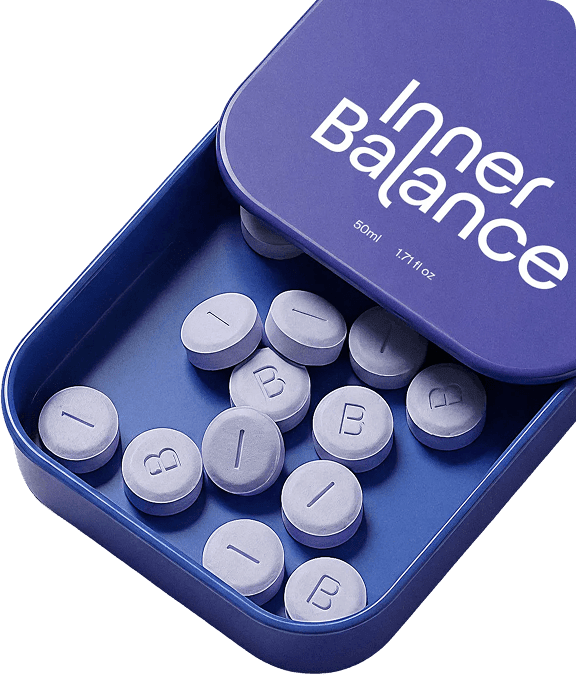
Libida™ is a prescription sublingual formulation designed specifically for women experiencing low libido. It’s the first women-first solution combining bremelanotide and oxytocin—creating a dual-pathway approach no other product provides.
Bremelanotide activates melanocortin receptors (MC4R) in the hypothalamus, boosting:
- Dopamine activity
- Sexual thoughtsMotivation
- Anticipation and arousal
Oxytocin activates bonding pathways, supporting:
- Connection and closeness
- Emotional readiness
- Relaxation into intimacy
- Relational warmth
Together, they address both neurochemical desire and emotional connection—reflecting how women’s sexuality actually works.
How Libida™ Works
Unlike daily medications that must build up in your system, Libida™ works on demand:
- Place a tiny sublingual lozenge under your tongue
- Take approximately 45-60 minutes before intimacy
- Effects may last 24-72 hours
- No injections, no alcohol restrictions
The Science Behind It
Libida™ contains bremelanotide, the same active ingredient used in injectable treatments for HSDD. Libida™ is compounded for off-label use under clinician guidance, delivering this proven compound in a more convenient sublingual form—with oxytocin included to support the connection side of intimacy.
Beyond Hormones: Complementing HRT
The “Missing Piece”
Many women start hormone therapy and feel dramatically better. Sleep improves. Mood stabilizes. Hot flashes resolve. But libido? Still flat.
This happens because hormones optimize the foundation, but don’t directly activate the brain pathways that create wanting. When the circuits themselves need stimulation, a brain-first approach like Libida™ provides what hormones alone can’t.
A Comprehensive Approach
Inner Balance positions their products as a comprehensive system:
Oestra™ = hormonal optimization (mood, sleep, metabolism, libido foundation)
Libida™ = neurological desire amplification (sexual motivation, fantasies, responsiveness, bonding)
Internal surveys suggest approximately 75% of Oestra users report improved sex drive and arousal. But for women who want even more—or whose desire hasn’t fully responded—Libida™ adds the brain-level activation that creates genuine wanting.
Libida™ vs. Competitors
The Unique Advantage
Current options for low female libido include:
- Vyleesi (FDA-approved injectable): Needle required, no oxytocin
- Addyi (flibanserin): Daily pill with strict alcohol restrictions
- Other PT-141 injectables: Require self-injection, lack oxytocin enhancement
Libida™ offers distinct advantages:
- Only product combining bremelanotide plus oxytocin for dual-pathway action
- Sublingual tablet (no needles)
- Estimated cost around $8-$10 per experience
- Modern wellness approach
Sublingual vs. Injectable
Injections work, but they’re inconvenient. Many women find the idea of self-injecting before intimacy kills the mood. Sublingual delivery is discrete, simple, and doesn’t interrupt spontaneity.
Libida™ also includes oxytocin—reflecting that for many women, emotional connection and physical motivation are intertwined.
Is Libida™ Right for You?
Who Can Benefit
Libida™ is designed for women who:
- Feel their desire is muted, disconnected, or missing
- Identify with “my spark is gone”
- Have optimized hormones but desire still feels flat
- Experience HSDD or persistent low libido
- Want a non-hormonal, on-demand option
Because Libida™ is non-hormonal, it’s compatible with any hormonal status. You can use it with or without other HRT protocols.
Practical Considerations
Pricing: One-time purchase is estimated around $249 for 10 tablets. Subscription options start around $199/month. Best value is approximately 20 tablets for $249 (charged every 2 months). HSA/FSA eligible.
Timing: Take 45-60 minutes before desired intimacy.
Duration: Effects may last 24-72 hours.
Contraindications: Not appropriate during pregnancy, breastfeeding, uncontrolled hypertension, or certain cardiovascular conditions.
Taking the First Step
If you’ve been waiting for your spark to return on its own, it may be time for a different approach. Your brain’s desire pathways need stimulation. Libida™ provides that stimulation directly, safely, and effectively.
Inner Balance provides access to board-certified physicians licensed in all 50 states who can determine if Libida™ is appropriate for your situation.
Frequently Asked Questions
How quickly does Libida™ work?
Libida™ is designed for on-demand use, taking approximately 45-60 minutes before anticipated intimacy. Effects may last 24-72 hours, giving you flexibility without rigid timing requirements. Unlike daily medications that need weeks to build up, Libida™ works when you need it.
Is Libida™ safe with hormone therapy?
Yes. Libida™ is non-hormonal and compatible with any hormonal status. Many women use it alongside Oestra™ for comprehensive support—Oestra™ optimizes the hormonal foundation, while Libida™ amplifies the brain pathways that create actual wanting. They work on different systems and complement each other well.
What makes Libida™ different from other treatments?
Libida™ is the only product combining bremelanotide (for dopamine/desire activation) with oxytocin (for bonding/emotional connection). Other options target only one pathway. Additionally, Libida™ is a sublingual tablet—no injections required—and costs an estimated $8-$10 per experience.
Who should not use Libida™?
Libida™ is not appropriate during pregnancy or breastfeeding, for women with uncontrolled hypertension, or those with certain cardiovascular conditions. Inner Balance physicians will review your complete health history before prescribing to ensure it’s safe for your situation.
Can Libida™ help if my hormones are optimized?
Absolutely—this is exactly who Libida™ is designed for. Hormones create the foundation for desire, but don’t directly activate the brain circuits that generate wanting and connection. Many women find their labs look perfect, but the spark is still missing. Libida™ addresses the brain pathways directly, providing the missing piece when hormones alone aren’t enough.


