



You love your partner. You remember when intimacy felt effortless. But somewhere along the way, that spark went quiet—and no amount of effort, guilt, or “trying harder” brings it back. If this sounds familiar, you’re not imagining it, and you’re certainly not broken. Low libido affects 12-19% of women, and the problem often lives in your brain’s desire centers—not in your willpower or your relationship. Libida™ from Inner Balance offers a brain-based solution using PT-141 (bremelanotide) combined with oxytocin, addressing both the neurochemical spark of desire and the emotional connection that shapes women’s sexuality.
Key Takeaways
- Brain-based mechanism: PT-141 activates melanocortin receptors in your hypothalamus, triggering dopamine release to restore sexual motivation—unlike blood-flow treatments that miss the “desire” piece entirely
- Clinical efficacy: Clinical trials showed approximately 25% of women treated with bremelanotide experienced clinically meaningful increases in desire, compared to about 17% with placebo
- Dual-pathway approach: Combining bremelanotide with oxytocin addresses both neurochemical desire AND emotional bonding—reflecting how women’s sexuality factually works
- On-demand convenience: Effects begin within 45-60 minutes and may last 24-72 hours, with no daily dosing required
- Non-hormonal option: PT-141 works independently of your hormonal status, complementing therapies like Oestra™ for women whose desire remains flat even after hormones are optimized


Understanding Low Libido: More Than Just Hormones
Why Traditional Approaches Miss the Mark
Low libido is rarely about one single cause. Conventional medicine often points to stress, aging, or relationship problems—then offers little more than sympathy or a prescription for antidepressants. But hypoactive sexual desire disorder (HSDD) is a recognized clinical diagnosis: persistent low desire for six months or longer, causing personal distress, and not explained by another condition or medication.
The frustration compounds when women try solutions designed for men. Medications like Viagra work by increasing blood flow to genitals—useful for erectile function, but irrelevant for women whose challenge is wanting intimacy in the first place. The desire piece happens upstream, in brain circuits that control motivation, anticipation, and arousal.
The Brain’s Role in Sexual Desire
Your hypothalamus—a small region deep in your brain—serves as the command center for sexual motivation. Here, specialized neurons respond to signals that either amplify or suppress your interest in intimacy. When these circuits function optimally, you experience spontaneous sexual thoughts, anticipation of pleasure, and responsiveness to your partner’s touch.
When they don’t, desire feels muted or absent—even toward a partner you genuinely love. This disconnect isn’t a character flaw. It’s a neurochemical imbalance that requires a neurochemical solution.
The Science of Desire: Introducing PT-141 (Bremelanotide)
What PT-141 Actually Is
PT-141, known scientifically as bremelanotide, is a cyclic heptapeptide that binds to melanocortin receptors in your brain. Unlike hormones or blood-flow enhancers, this peptide crosses the blood-brain barrier and directly influences the neural pathways responsible for desire.
The FDA approved bremelanotide in 2019 under the brand name Vyleesi for women with HSDD. Clinical trials involving over 1,200 women demonstrated meaningful improvements in desire and reduced distress—establishing PT-141 as the first centrally-acting treatment for female sexual dysfunction.
How Melanocortin Receptors Control Desire
Your brain contains five types of melanocortin receptors (MC1R through MC5R), each controlling different functions. PT-141 primarily targets MC4R receptors concentrated in the hypothalamus and limbic system—regions that govern motivation, reward, and sexual behavior.
When bremelanotide binds to these receptors, it triggers a cascade of neurotransmitter activity:
- Dopamine release in the nucleus accumbens activates your reward pathway
- Neural firing in the paraventricular nucleus sends arousal signals through your spinal cord
- Descending pathways connect brain-based desire to physical responsiveness
This mechanism explains why PT-141 works when other treatments fail: it addresses the psychological drive for intimacy, not just the physical capacity for it.
Activating the Brain’s Pleasure Centers: How Bremelanotide Works
The 45-Minute Timeline
Understanding PT-141’s pharmacokinetics helps set realistic expectations. After administration, the peptide follows a predictable timeline:
- 0-15 minutes: PT-141 absorbs into your bloodstream and begins crossing the blood-brain barrier
- 15-60 minutes: Bremelanotide binds to MC4R receptors in your hypothalamus, triggering intracellular signaling
- 60-90 minutes: Dopamine floods your reward centers. You may notice increased sexual thoughts and heightened responsiveness
- 2-8 hours: Sustained receptor activation maintains elevated neurotransmitter levels. Many women report effects lasting 24-72 hours
Dopamine: The “Wanting” Neurotransmitter
Dopamine gets called the “pleasure chemical,” but that’s not quite right. Dopamine actually drives wanting—the motivation to pursue reward, the anticipation of pleasure, the mental engagement that precedes physical arousal.
When dopamine pathways function properly, you experience spontaneous sexual interest. You think about intimacy. You look forward to connecting with your partner. When these pathways are suppressed—by stress, medications, hormonal shifts, or aging—that mental spark disappears.
PT-141 reactivates these circuits directly, restoring the neurochemical foundation of desire without requiring daily medication or permanent hormonal changes.
Beyond Hormones: PT-141’s Unique Brain-Based Approach
Why This Matters for Women Already on HRT
Many women pursue hormone restoration therapy expecting their libido to return along with their energy, sleep, and mood. And for some, it does. Estradiol and progesterone influence sexual function through multiple pathways, including supporting dopamine synthesis and maintaining vaginal tissue health.
But for others, hormones alone aren’t enough. Even with optimized estrogen and progesterone levels, desire remains flat. This happens because hormone therapy addresses the foundation of sexual health without directly stimulating the brain’s desire circuits.
PT-141 fills this gap. As a non-hormonal option, it works independently of your endocrine system. You can use it whether you’re on bioidentical hormone therapy, still cycling naturally, or postmenopausal without HRT. The brain-based mechanism operates through a different pathway entirely.
Complementing Oestra™ for Complete Sexual Wellness
Think of sexual health as a two-part system. Oestra™ addresses the hormonal foundation—restoring progesterone and estradiol through vaginal delivery that achieves superior bioavailability compared to oral forms. This supports mood, energy, vaginal tissue health, and overall vitality.
Libida™ addresses the neurological component—activating desire circuits when the hormonal foundation alone isn’t enough. Together, they offer a comprehensive approach that treats both the body’s hormonal needs and the brain’s motivational pathways.
The Dual-Pathway Advantage: PT-141 with Oxytocin for Women’s Desire
Why Oxytocin Changes Everything
Most PT-141 products on the market contain bremelanotide alone. That addresses one piece of the puzzle—neurochemical desire. But women’s sexuality doesn’t work in isolation. Emotional safety, bonding, and relational warmth influence arousal just as powerfully as dopamine.
Oxytocin, often called the “bonding hormone,” activates attachment pathways that support connection, relaxation into intimacy, and emotional readiness. When combined with bremelanotide’s dopamine effects, you get a dual-pathway approach that aims to support both desire signaling and emotional connection in one formula.
Bremelanotide activates:
- Sexual motivation and drive
- Anticipation and mental engagement
- Responsiveness to sexual stimuli
- Physical arousal pathways
Oxytocin supports:
- Emotional connection and bonding
- Relaxation and openness
- Trust and intimacy readiness
- Relational warmth with your partner
This combination reflects how women’s sexuality actually functions—not as a mechanical response, but as an integrated experience of desire, connection, and arousal.
Libida™: The Only Dual-Pathway Solution
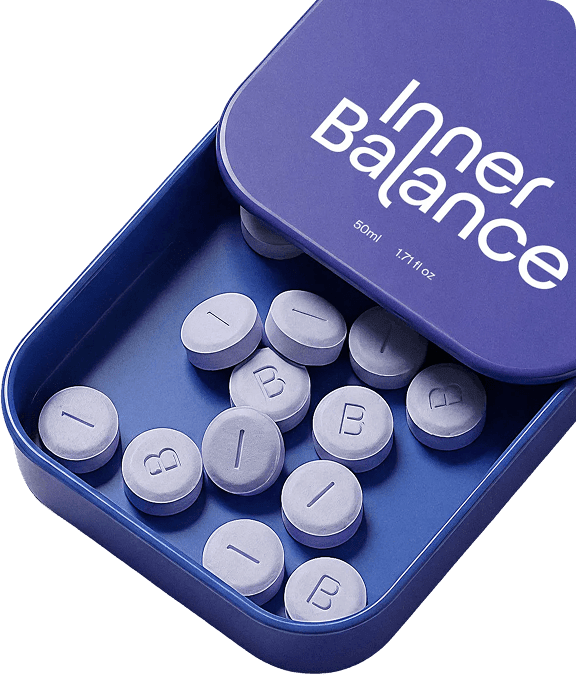
Libida™ combines bremelanotide and oxytocin in a single sublingual tablet—the first women-first libido solution to address both neurochemical and emotional pathways. This isn’t a male medication repurposed for women. It’s designed from the ground up based on how female desire works.
Clinical Insights: What to Expect from Bremelanotide
The Evidence Base
Two pivotal trials—RECONNECT 301 and 302—established bremelanotide’s efficacy for HSDD. Together, these 24-week studies enrolled over 1,200 premenopausal women with generalized, acquired low desire.
Key findings:
- Sexual Desire Score improvement: +0.30 to +0.42 points on standardized scales (vs. +0.03 for placebo)
- Distress reduction: Significant decrease in how much low desire bothered participants
- Responder rate: Approximately 25% of treated women experienced clinically meaningful improvement versus 17% with placebo
- Satisfying events: 2-fold increase in the percentage of sexual events rated as satisfying
These results represent meaningful restoration of desire for women with diagnosed HSDD—a significant improvement for a condition that often resists other treatments.
Managing Expectations
PT-141 isn’t a miracle pill. It won’t create desire where attraction doesn’t exist, and it won’t fix relationship problems that extend beyond physical intimacy. But for women whose low desire stems from neurochemical imbalance, clinical data strongly supports its effectiveness.
Common initial experiences include:
- Mild nausea (around 40% on first dose, dropping to 3% by second dose)
- Facial flushing (approximately 20%)
- Occasional headache (around 11%)
These side effects typically resolve quickly and improve with subsequent use.
How to Use PT-141 for On-Demand Desire Support
Timing and Administration
Unlike daily medications that require weeks to build up, PT-141 works on demand. Take it 45-60 minutes before anticipated intimacy, and effects typically begin within that window. Duration varies from 4-8 hours in clinical settings, though many women report effects lasting considerably longer.
Practical guidance:
- Plan for a 45-60 minute onset window
- Effects may persist 24-72 hours depending on individual response
- Don’t exceed one dose per 24 hours
- Maximum recommended frequency: 8 doses per month
The Sublingual Advantage
The FDA-approved injectable form (Vyleesi) requires subcutaneous injection—a barrier for many women uncomfortable with needles. Compounded sublingual formulations like Libida™ dissolve under your tongue, offering convenience without injection.
This route offers ease of use that fits seamlessly into your routine, requiring no refrigeration, no sharp disposal, and no anxiety about self-injection.
Distinguishing PT-141 Options: Injections vs. Sublingual
Injectable PT-141: Effective but Cumbersome
The FDA-approved Vyleesi autoinjector delivers 1.75mg bremelanotide subcutaneously. It works—clinical trials prove that. But it can be expensive depending on insurance coverage and pharmacy pricing, requires cold storage before use, involves needles that many women dislike, and comes without the oxytocin enhancement that Libida™ provides.
Sublingual Tablets: Convenience Meets Efficacy
Compounded sublingual bremelanotide bypasses the digestive system and eliminates the need for injection. At an estimated $8-10 per use with Libida™, the cost-effectiveness far exceeds injectable alternatives while adding the oxytocin component that enhances emotional connection.
Who Can Benefit from a Brain-Based Libido Solution?
Ideal Candidates
PT-141 works best for women who identify with these experiences:
- “I love my partner, but I never feel like being intimate”
- “My spark is gone—I can’t remember the last time I wanted sex”
- “My hormones are balanced, but desire still feels flat”
- “Stress and life have killed my libido”
- “I used to have a healthy sex drive, and I want it back”
Women with HSDD—persistent low desire causing personal distress—represent the FDA-approved indication. But women in perimenopause, postpartum, or dealing with medication-induced low libido may also benefit under clinician guidance.
Important Safety Considerations
Certain conditions require medical evaluation before using PT-141:
- Uncontrolled hypertension
- Active cardiovascular disease
- Pregnancy or breastfeeding
Always discuss your full medical history with your healthcare provider before starting any new treatment.
Working with Your Provider
Inner Balance physicians prescribe Libida™ through a telehealth model licensed in all 50 states. After completing a health assessment, you’ll receive personalized guidance on whether this brain-based approach fits your situation—and how it might complement hormonal optimization with Oestra™ if appropriate.
Frequently Asked Questions
What is PT-141 and how does it differ from hormone therapy?
PT-141 (bremelanotide) is a peptide that activates melanocortin receptors in your brain’s desire centers, triggering dopamine release to restore sexual motivation. Unlike hormone therapy, which addresses estrogen and progesterone levels, PT-141 works through the central nervous system. This makes it effective for women whose hormones are already optimized but whose desire remains flat.
How quickly does PT-141 work, and how long do effects last?
Most women notice effects within 45-60 minutes after taking a sublingual tablet. Clinical studies document effects lasting 4-8 hours, though many Libida™ users report benefits extending 24-72 hours. This makes it an on-demand solution rather than a daily commitment.
Can I use PT-141 alongside hormone therapy like Oestra™?
Yes. PT-141 is non-hormonal and works independently of your endocrine system. Many women find that combining Oestra™ for hormonal foundation with Libida™ for neurological desire amplification provides more complete results than either approach alone. Your Inner Balance provider can help determine the right combination for your situation.
What makes Libida™ different from other PT-141 products?
Libida™ is the only product combining bremelanotide with oxytocin—addressing both the neurochemical spark of desire and the emotional bonding pathways that shape women’s arousal. Other PT-141 products contain bremelanotide alone. Additionally, Libida™ uses sublingual delivery (no needles), costs an estimated $8-10 per use versus $25-130+ for other options, and is designed specifically for women’s sexuality.
Is bremelanotide FDA-approved?
Yes. Bremelanotide is FDA-approved as an injectable (Vyleesi) for premenopausal women with HSDD. Libida™ contains the same FDA-approved active ingredient, compounded into sublingual form for off-label use under clinician guidance. This provides the same proven mechanism in a more convenient delivery method.


