


Low sexual desire is common in women, but it does not have a single cause. Hormones can play a role, yet experts describe low desire as a multifactorial issue that can also involve brain chemistry, stress, relationship dynamics, and emotional health. If fenugreek supplements promise to restore your sex drive through hormonal balance, what happens when hormones aren’t the whole story? Understanding this distinction is essential before investing weeks in a supplement that may address only part of the equation. For women whose desire feels muted or missing, Libida™ offers a brain-based approach that addresses both neurochemical desire and emotional connection—pathways fenugreek can’t reach.
Key Takeaways
- Clinical evidence exists: Randomized trials suggest standardized fenugreek extract (600mg daily) may increase estradiol and free testosterone in some women with low sexual desire
- It takes time: Fenugreek requires 4-8 weeks of consistent use before measurable effects and may be more relevant when hormone imbalance is part of the picture
- Hormones aren’t everything: Female desire originates in the brain’s hypothalamus, involving dopamine and oxytocin pathways that hormonal supplements don’t address
- Quality matters: Only standardized fenugreek extracts (like Libifem®) at clinical doses show effectiveness—most OTC products fall short
- Brain-based alternatives exist: Libida™ combines bremelanotide and oxytocin to activate desire at its neurological source, working within 30-60 minutes regardless of hormone status


Understanding Low Sex Drive in Women: Beyond Hormones
The Multifaceted Nature of Female Libido
Low sex drive in women affects millions and remains widely misunderstood. When low desire is persistent and causes significant personal distress, clinicians may diagnose Hypoactive Sexual Desire Disorder (HSDD). Unlike male sexuality, which responds relatively directly to testosterone and blood flow, female sexuality involves complex interactions between hormones, neurotransmitters, emotional safety, relationship dynamics, and psychological factors.
This complexity explains why so many women feel frustrated when their doctor’s solution—whether birth control, antidepressants, or hormone tests that come back “normal”—doesn’t restore the desire they’ve lost. The problem isn’t that these women are broken. Female desire operates through multiple pathways, and addressing only one rarely provides complete relief.
What Actually Causes a Dip in Desire?
Several factors contribute to diminished libido in women:
- Hormonal shifts: Declining estradiol and testosterone during perimenopause reduce physical arousal capacity
- Neurotransmitter changes: Dopamine drives the wanting aspect of desire
- Emotional readiness: Oxytocin pathways influence bonding, safety, and receptivity to intimacy
- Stress and cortisol: Chronic stress suppresses sex hormones and desire
- Medications: SSRIs, birth control, and blood pressure medications can blunt libido
Understanding these distinct pathways helps explain why fenugreek—which works through hormonal mechanisms—helps some women dramatically while leaving others unchanged.
Fenugreek Benefits: A Natural Approach to Wellness
What Is Fenugreek?
Fenugreek (Trigonella foenum-graecum) is an herb with seeds containing compounds called furostanolic saponins—particularly protodioscin. These phytochemicals are thought to influence hormone pathways, and some researchers have proposed that they may contribute to downstream changes in sex hormone metabolism.
Traditional medicine systems have used fenugreek for centuries, but modern clinical research has validated specific applications for female sexual health when standardized extracts are used at therapeutic doses.
Key Compounds and Their Actions
The active compounds in fenugreek support female sexuality through:
- Increased estradiol: Supports vaginal lubrication, blood flow, and arousal capacity
- Boosted free testosterone: Drives sexual motivation and desire
- Balanced progesterone: May help support overall hormonal balance in some women
However, these mechanisms work through the endocrine system—not the brain’s desire centers. This distinction becomes critical when evaluating who benefits most from fenugreek supplementation.
Boosting Female Libido: Does Fenugreek Help?
The Clinical Evidence
The most rigorous research on fenugreek for female libido comes from randomized controlled trials using a standardized extract called Libifem®.
In an 8-week study of 80 women ages 20-49 taking 600mg daily:
- Estradiol levels increased by 66%
- Free testosterone rose by 23.8%
- Sexual activity frequency doubled (from 1-2 times monthly to weekly)
- Significant improvements occurred across all five sexual function domains: fantasy, arousal, experience, orgasm, and desire
A separate study using FenuSMART® extract (500mg daily for 42 days) found 41.67% improvement in sexual problems and 40% reduction in irritability. The study also suggested that hormone increases were more noticeable in participants who started with relatively lower baseline hormone levels.
Women whose hormones were already in the normal range did not show significant hormone increases, suggesting fenugreek may be more relevant when hormone imbalance is part of the picture.
Who Fenugreek Works For vs. Who It Doesn’t
Fenugreek may help if you:
- Have confirmed low estradiol or testosterone levels
- Experience physical arousal difficulties (lubrication, blood flow)
- Are willing to wait 4-8 weeks for effects
- Can commit to daily supplementation
Fenugreek likely won’t help if you:
- Have normal-range hormone levels
- Experience desire that feels “mentally absent”
- Need rapid improvement
- Have tried hormone optimization without desire returning
The Limitation: When Hormones Aren’t the Whole Story
Why Hormones Don’t Always Restore Desire
Here’s what the fenugreek research reveals: hormonal optimization alone doesn’t restore desire for all women. Even in successful trials, a significant percentage saw improved physical arousal capacity without the mental “wanting” returning.
This gap exists because female desire originates in the hypothalamus—specifically in melanocortin receptors that regulate dopamine release. Hormones influence arousal capacity, but the neurological spark of wanting intimacy operates through different pathways entirely.
The Brain-Based Pathways Fenugreek Can’t Reach
Female sexuality involves two distinct but interconnected systems:
Physical Arousal System (what fenugreek addresses):
- Vaginal lubrication and blood flow
- Tissue sensitivity and engorgement
- Hormonal foundation for response
Desire Motivation System (what fenugreek misses):
- Dopamine-driven “wanting” and anticipation
- Oxytocin-mediated emotional connection and safety
- Mental fantasies and sexual thoughts
- Motivation to initiate or respond to intimacy
When women say “my body responds but I never actually want sex,” they’re describing intact physical arousal with absent desire motivation. This is precisely where Libida™ provides what fenugreek cannot.
How Libida™ Addresses the Desire Gap
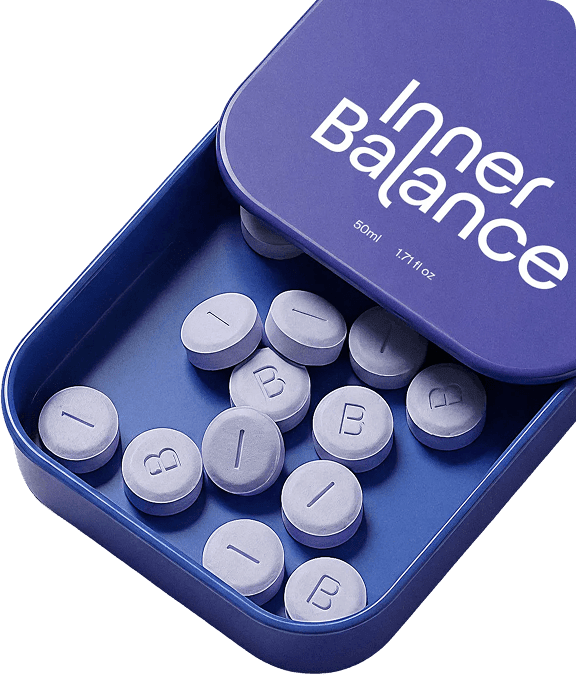
Libida™ is Inner Balance’s prescription sublingual tablet combining bremelanotide and oxytocin—the first formulation addressing both neurochemical desire AND emotional connection pathways.
Bremelanotide activates melanocortin receptors (MC4R) in the hypothalamus, boosting dopamine and restoring the “wanting” aspect of desire—sexual thoughts, anticipation, and motivation to engage intimately.
Oxytocin supports bonding, emotional safety, and relational warmth—reflecting how women’s sexuality actually works, with desire often flowing from connection rather than preceding it.
Unlike fenugreek’s 4-8 week timeline, Libida™ works within 30-60 minutes, with effects lasting 24-72 hours. It’s non-hormonal, meaning it works regardless of your hormone status and complements any existing hormone therapy.
Pricing and Access
Libida™ is available through Inner Balance’s telehealth platform:
- One-time purchase: Around $249 for 10 tablets
- Subscription: Starting at approximately $199/month for 10 tablets
- Estimated cost per experience: $8-$10
- HSA/FSA eligible
Compared to alternatives like injectable treatments (around $250 per dose) or daily medications with alcohol restrictions (approximately $400/month), Libida™ offers a cost-effective brain-based approach with the added benefit of oxytocin for emotional connection.
Fenugreek Supplements: What to Look For
Standardization Is Essential
Not all fenugreek products are created equal. The clinical studies showing benefits used standardized extracts with verified concentrations of active compounds—not whole seeds or unstandardized powders.
Look for products containing:
- Libifem® or FenuSMART® branded extracts
- Standardized furostanolic saponin content
- Third-party testing verification
Dosing Requirements
Clinical effectiveness requires:
- 600mg daily (typically 300mg twice daily)
- Timing: Approximately 1 hour before meals
- Duration: Minimum 8 weeks for evaluation
- Form: Standardized seed extract only
Products containing “proprietary blends” that obscure actual fenugreek content, doses below 500mg daily, or whole fenugreek seeds rather than extracts are unlikely to provide clinical benefits.
Fenugreek Cautions: Side Effects and Who Should Avoid It
Potential Side Effects
Research reviews document fenugreek as generally well-tolerated, with minor adverse effects in approximately 15% of clinical trial participants:
- Gastrointestinal symptoms (diarrhea, bloating, reflux)
- Distinctive maple syrup odor in sweat and urine
- Rare migraine exacerbation in susceptible women
- Occasional menstrual cycle changes
Who Should Avoid Fenugreek
Medical contraindications include:
- Pregnancy: May cause uterine contractions
- Breastfeeding: Safety at supplement doses is not fully established; consult a healthcare provider
- Diabetes medications: Potentiates blood sugar lowering
- Blood thinners: Has antiplatelet effects
- Hormone-sensitive cancers: Due to estrogenic effects
Always consult a healthcare provider before starting fenugreek, especially if taking medications or managing chronic conditions.
When to Consider Professional Support for Low Libido
Signs You Need More Than Supplements
Certain situations indicate that over-the-counter approaches alone won’t address your libido concerns:
- Your hormones have been tested and are within normal range
- You’ve tried hormone optimization but desire remains absent
- You experience the “I love my partner but never feel like it” pattern
- Desire disappeared with medication changes (antidepressants, birth control)
- Your spark feels neurologically “off” rather than physically limited
These patterns suggest brain-based desire pathways need attention—not further hormonal manipulation.
The Libida™ Difference
For women whose desire needs more than hormonal support, Libida™ offers what fenugreek cannot:
- Mechanism: Activates brain’s desire center (not hormones)
- Onset: 30-60 minutes (not 4-8 weeks)
- Duration: Effects last 24-72 hours per dose
- Flexibility: On-demand use, not daily commitment
- Compatibility: Works with or without hormone therapy
Libida™ contains the same active ingredient used in approved injectable treatments for desire, compounded for off-label use under clinician guidance as a convenient sublingual tablet—no needles required.
Frequently Asked Questions
How quickly can fenugreek impact women’s sex drive?
Clinical studies show fenugreek requires 4-8 weeks of consistent daily use (600mg) before measurable hormonal changes occur. Unlike Libida™, which works within 30-60 minutes, fenugreek’s hormonal mechanism requires sustained supplementation across at least two menstrual cycles before evaluating effectiveness.
Can I take fenugreek if I’m already on hormone therapy?
Fenugreek may be used alongside hormone therapy, though you should inform your provider. However, if you’re already receiving bioidentical hormones and still experiencing low desire, the issue likely involves brain-based pathways rather than hormonal insufficiency—making Libida™ a more logical addition than additional hormonal manipulation.
How does fenugreek compare to prescription options like Libida™ for low libido?
Fenugreek and Libida™ work through entirely different mechanisms. Fenugreek supports hormonal balance (estradiol, testosterone)—addressing physical arousal capacity over weeks. Libida™ activates the brain’s desire center (dopamine, oxytocin)—restoring the “wanting” aspect of desire within 30-60 minutes. They’re complementary approaches addressing different aspects of female sexuality.
What are the main side effects of taking fenugreek for libido?
Most women tolerate fenugreek well. Reported side effects include mild digestive symptoms (bloating, diarrhea), a distinctive maple syrup odor in sweat and urine, and occasional migraine exacerbation. Serious side effects are rare, though women who are pregnant or taking blood thinners or diabetes medications should avoid fenugreek.
Is fenugreek safe for all women experiencing low libido?
Fenugreek is contraindicated during pregnancy (may cause uterine contractions) and for women on blood thinners or diabetes medications. Those with hormone-sensitive cancer histories should also exercise caution. Additionally, fenugreek works best for women with low baseline hormones—those with normal hormone levels may not see benefits regardless of safety considerations.


