


If you’ve ever thought “I love my partner, but I just never feel like it,” you’re not alone. Sexual concerns—including low desire—are extremely common, and many women experience a drop in libido at some point in their lives. The frustrating part? Low desire isn’t always about hormones. Sometimes your hormones are balanced, but your brain’s desire pathways still feel muted or disconnected. While hormone therapy like Oestra™ addresses hormonal root causes, many women need something that works on a different level—targeting the neurochemical spark of desire itself. That’s where non-hormonal options come in, and why understanding what actually drives female sexuality matters before choosing a solution.
Key Takeaways
- Female desire originates in the brain, involving both neurochemical pathways (dopamine) and emotional connection (oxytocin)—effective treatments must address both
- Libida™ is the only non-hormonal option combining bremelanotide and oxytocin in a sublingual tablet for dual-pathway desire support
- Clinical evidence shows bremelanotide increases desire, arousal, and satisfying sexual events while reducing distress
- Herbal supplements like tribulus and ginseng show promising evidence but require consistent daily use over weeks
- Lifestyle interventions including exercise and stress management help support overall sexual health
- Women whose desire lags even after hormone optimization often need brain-targeted support, not more hormones
- On-demand solutions offer flexibility that daily supplements cannot match for spontaneous intimacy

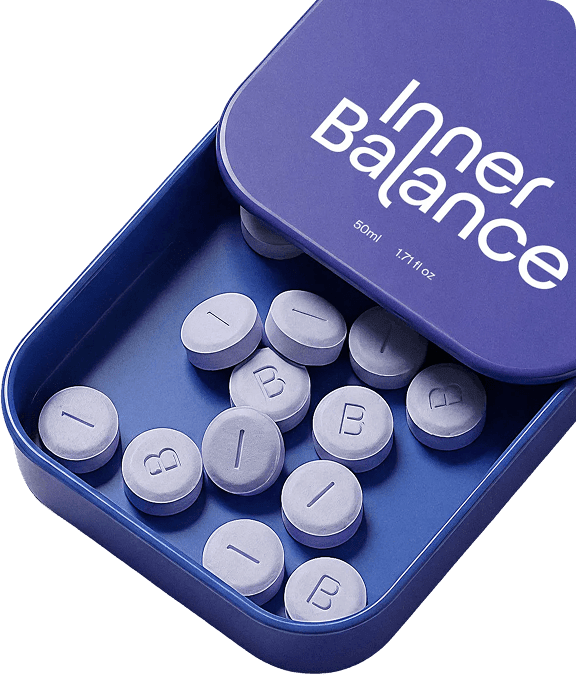

1. Libida™ On-Demand Desire Support: The Dual-Pathway Solution
At Inner Balance, we developed Libida™ because we understood something most treatments miss: female sexuality doesn’t work like male sexuality. Women’s desire involves both a neurochemical spark and emotional readiness—and no existing product addressed both pathways until now.
Why Libida™ Works Differently
Libida™ combines bremelanotide and oxytocin in a single sublingual tablet, creating the first women-first approach to desire support. Here’s what makes this dual-pathway mechanism different:
Bremelanotide activates melanocortin receptors (MC4R) in the hypothalamus, boosting dopamine and restoring the neurochemical motivation behind sexual thoughts, anticipation, and arousal. Bremelanotide is the active ingredient in an injectable option for HSDD—while Libida™ uses a needle-free, sublingual format as part of our clinician-directed approach.
Oxytocin is often discussed for its role in bonding and emotional connection. Evidence in sexual-function studies is mixed, but some women feel it supports relaxation and closeness as part of a broader plan. This addresses what male-designed medications completely ignored: the emotional dimension of female desire.
Clinical Evidence for the Bremelanotide Component
Studies on bremelanotide demonstrate:
- Increased desire and arousal
- More satisfying sexual events
- Reduced sexual distress
- Restored fantasies and responsiveness
These effects reflect how women’s sexuality actually works—not just physical arousal, but cognitive and emotional readiness too.
What Sets Libida™ Apart
On-demand flexibility: Take approximately 45–60 minutes before intimacy. Effects are typically discussed in terms of that day/evening, and dosing should not be repeated within 24 hours. No daily commitment, no building up in your system for weeks.
No needles: Unlike injectable versions, Libida™ is a sublingual tablet that dissolves under your tongue.
Dual-pathway support: The only product addressing both neurochemical desire AND emotional connection. Other options focus on one pathway at a time.
Non-hormonal compatibility: Works with any hormonal status. Can be used alongside Oestra™ for comprehensive support, or alone for women who aren’t candidates for hormone therapy.
Libida™ isn’t appropriate during pregnancy, breastfeeding, with uncontrolled hypertension, or certain cardiovascular conditions. Our clinical team evaluates each patient individually.
2. Tribulus Terrestris
Among herbal supplements, tribulus terrestris has some clinical research behind it, though the overall certainty of evidence is still limited. A systematic review of 20 studies found it significantly improved overall female sexual function with a standardized mean difference of 1.12—a strong effect size.
How It Works
Tribulus may influence androgenic hormones and has been used traditionally for infertility and low libido. Research shows it improves desire, arousal, and orgasm compared to placebo.
What to Expect
- Tribulus requires daily use for 4+ weeks before effects become noticeable.
- It’s generally well-tolerated, though product quality and potency can vary between brands.
- Some women find it works best as part of a comprehensive approach to sexual wellness, especially when combined with other interventions.
The herbal nature appeals to women seeking plant-based options, and its traditional use in multiple cultures adds historical context to its modern applications.
3. Bonafide Ristela
Ristela uses L-arginine and L-citrulline amino acids with French maritime pine bark to support blood flow to vaginal tissues. Clinical data shows users reported increased satisfaction after two months.
How It Works
L-arginine converts to nitric oxide, which dilates blood vessels and improves circulation. Good blood flow supports physical arousal and orgasm intensity. The pine bark extract provides antioxidant support and may enhance the blood flow benefits of the amino acids.
What to Expect
- Ristela focuses on the physical dimension of sexual response through improved circulation.
- Full effects typically require about 8 weeks of daily supplementation.
- The formula supports blood flow, but it works through a different mechanism than brain-targeted approaches.
- Many women take it as part of a daily supplement routine, with effects that build gradually over time.
- It’s available over the counter and can be used alongside other wellness strategies.
4. Panax Ginseng
Korean red ginseng shows evidence for menopausal women specifically, improving both desire and arousal in clinical trials. It also supports energy and stress resilience.
How It Works
Ginsenosides stimulate nitric oxide production and may have adaptogenic effects that help the body manage stress—a major libido suppressor. As an adaptogen, ginseng helps the body maintain balance during periods of physical or emotional stress.
What to Expect
- Most evidence for ginseng’s sexual health benefits comes from studies in menopausal women.
- It requires consistent use over 4–8 weeks for effects to develop.
- Beyond sexual function, ginseng may support overall vitality and energy levels, which can indirectly benefit sexual health.
- Because it’s considered adaptogenic, it may work differently for different women depending on individual needs and stress levels.


