



If your desire has gone quiet—if you find yourself thinking “I love my partner, but I never feel like it”—you’re far from alone. Research estimates hypoactive sexual desire disorder (HSDD) affects about 10% of adult women, and it can become more common in perimenopause and menopause. Many women are still offered the same narrow options: a daily pill with alcohol restrictions, an injection before intimacy, or the advice to “just relax.” Female desire is more complex, shaped by brain chemistry and hormonal foundations. Inner Balance offers a two-part approach: on-demand support with Libida™ and longer-term hormone restoration with Oestra™, designed to work together as a complete 2026 low-libido ecosystem for different bodies, relationship contexts, and stages of life—without needles today.
Key Takeaways
- Hormone imbalance creates the foundation for low libido in most women—declining estrogen, progesterone, and testosterone affect desire at the cellular level
- Brain chemistry matters equally—dopamine drives the “spark” of desire while oxytocin enables emotional connection and readiness for intimacy
- Libida™ is the only product combining bremelanotide + oxytocin to address both neurochemical desire and emotional bonding pathways
- Vaginal hormone delivery can achieve significantly higher bioavailability than oral hormones, restoring hormonal balance that supports libido
- Single-pathway treatments often fall short—addressing only brain chemistry OR only hormones rarely produces complete relief
- Cost considerations: Inner Balance provides subscription options designed for affordability versus competitor alternatives
1. Inner Balance’s Comprehensive Approach: The Complete Solution
At Inner Balance, we’ve built something no other provider offers: a coordinated system that addresses low libido from multiple angles. Our approach recognizes that female desire isn’t simple—it involves neurochemistry, hormones, emotional connection, and physical comfort. Treating any single pathway in isolation leaves most women disappointed.
Libida™: On-Demand Desire Support
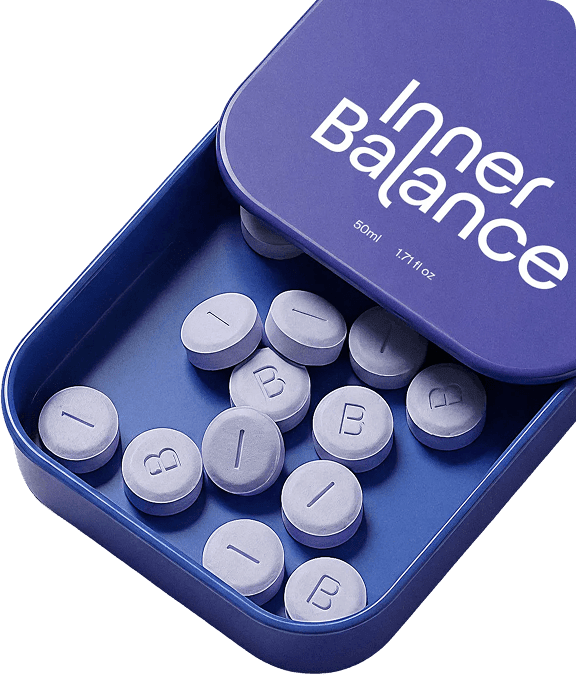
Libida™ represents a new category of treatment for women whose desire feels muted, disconnected, or simply missing. This tiny sublingual tablet combines two powerful compounds in a way no other product does:
Bremelanotide activates melanocortin receptors (MC4R) in the hypothalamus—the brain region governing sexual motivation. This ingredient boosts dopamine, increasing sexual thoughts, anticipation, and arousal at the neurological level.
Oxytocin activates bonding and emotional-safety pathways, supporting the sense of connection, closeness, and emotional readiness that shapes how women actually experience desire. This dual-pathway approach acknowledges what researchers have long known: female sexuality involves both neurochemical drive and relational warmth.
How to use Libida™:
- Take one sublingual tablet 45-60 minutes before intimacy
- Effects may last 24-72 hours
- No injection required—dissolves under the tongue
- Use on-demand when you want support, not daily
Clinical evidence for bremelanotide shows increased desire and arousal, more satisfying sexual events, reduced distress, and restored fantasies and responsiveness. Libida™ compounds this ingredient under clinician guidance for convenient sublingual delivery.
Pricing: Starting at around $199/month subscription for 10 tablets, or approximately $249 one-time purchase. HSA/FSA eligible.
Oestra™: The Hormonal Foundation
Many women find that even after addressing brain chemistry, something still feels off. That’s because declining hormones create the biological conditions for low desire in the first place.
Oestra™ combines bioidentical estradiol and progesterone in a single vaginal cream that restores what your body has lost. Unlike oral hormones that lose significant potency through liver metabolism, vaginal delivery can achieve significantly higher bioavailability by entering the bloodstream directly.
Results from Inner Balance internal data at 6 months:
- Approximately 75% report improved sex drive and arousal
- Around 97% experience relief from vaginal dryness
- Approximately 80% see better sleep quality
- Around 79% notice mental health improvements
When hormones are balanced, the physical barriers to desire—vaginal dryness, discomfort during intimacy, fatigue, mood instability—resolve. This creates the conditions where Libida™ can work optimally.
The Ecosystem Advantage
What sets Inner Balance apart is how our products work together:
Oestra™ provides hormonal optimization—the foundation that supports mood, sleep, metabolism, and the physical comfort needed for intimacy.
Libida™ provides neurological desire amplification—the on-demand spark when you want to feel truly present and engaged.
Women whose hormones are addressed but desire still feels flat often find Libida™ is the missing piece. Women who’ve tried desire medications without hormone support often find Oestra™ unlocks what was blocked. Together, they address female sexuality comprehensively.
Who this approach is best for:
- Women whose desire feels muted or disconnected
- Women with HSDD
- Women whose hormones are addressed but desire remains flat
- Women who haven’t fully responded to hormone therapy alone
- Women wanting a brain-first option alongside hormonal support
Our telehealth platform serves all 50 states with board-certified physicians, personalized treatment plans, and unlimited consultations included in your membership.


2. Vyleesi (Bremelanotide Injection): Effective But Limited
Vyleesi contains the same active ingredient as Libida™—bremelanotide—but delivers it via self-administered injection approximately 45 minutes before sexual activity. Clinical trials demonstrate significant increases in desired scores compared to placebo.
Pros:
- FDA-approved for premenopausal women with HSDD
- Works through proven melanocortin receptor activation
- On-demand timing (not daily medication)
Cons:
- Requires self-injection—many women find needles uncomfortable or intimidating
- Limited to 8 doses per month maximum
- Addresses only the dopamine/desire pathway—lacks oxytocin’s bonding benefits
- Nausea is commonly reported with the first dose
Who it’s best for: Women comfortable with self-injection who want an FDA-approved on-demand option.
Why it falls short of #1: Vyleesi provides only half the equation—the neurochemical desire spark without the oxytocin-driven emotional connection. The injection requirement creates a barrier that sublingual tablets eliminate.
3. Addyi (Flibanserin): Daily Commitment with Significant Restrictions
Addyi made headlines as the “female Viagra” but works through an entirely different mechanism—it’s a serotonin modulator taken daily at bedtime that gradually shifts brain chemistry over 4-8 weeks. Addyi is FDA-approved for women under 65 with acquired, generalized HSDD, taken daily at bedtime.
Pros:
- FDA-approved for both premenopausal and postmenopausal women (under 65)
- May help women who don’t respond to on-demand options
- Once-daily dosing becomes routine
Cons:
- Absolute alcohol restriction—even one drink can cause severe hypotension and fainting
- Takes 4-8 weeks to see any effect (versus 45 minutes with on-demand options)
- Requires daily pill commitment indefinitely
- Modest effectiveness—trials show only 0.5-1.0 additional events per month versus placebo
Who it’s best for: Women who prefer daily medication, don’t consume alcohol, and haven’t responded to other approaches.
Why it falls short of #1: The strict no-alcohol requirement eliminates Addyi for many women’s lifestyles. The 4-8 week onset means weeks of waiting without knowing if it will help. It doesn’t address the hormonal foundations that often underlie low desire, and it lacks the dual-pathway approach of combining desire activation with emotional connection support.
4. Traditional Hormone Replacement Therapy: Foundation Without Completion
Estrogen, progesterone, and testosterone each play roles in female desire. Traditional HRT approaches—oral pills, patches, or topical creams prescribed separately—can improve libido by restoring declining hormones.
Hormone therapy supports sexual function when properly administered. The ELITE clinical trial found that estradiol therapy, when initiated within 6 years of menopause, was associated with less progression of subclinical atherosclerosis.
Pros:
- Addresses root hormonal causes of low desire
- May improve vaginal dryness, arousal, and orgasm
- Supports overall health beyond sexual function
Cons:
- Often requires managing 3+ separate prescriptions
- Oral hormones lose significant potency through liver metabolism
- Topical creams can transfer to partners or children
- Insurance hassles and prior authorization delays
- Doesn’t address brain chemistry when desire remains flat despite hormone balance
Who it’s best for: Women with clear hormonal deficiency symptoms seeking comprehensive hormone restoration.
Why it falls short of #1: Traditional HRT addresses hormones but not the neurological pathways of desire. Managing multiple prescriptions from multiple pharmacies creates complexity. Oestra™ combines bioidentical estradiol and progesterone in one formulation with superior vaginal bioavailability, while Libida™ adds the brain-chemistry support traditional HRT can’t provide.
5. Topical Arousal Products: Physical Response Without Desire
Compounded (off-label) sildenafil creams and OTC arousal gels work by increasing blood flow to genital tissues, enhancing physical arousal sensations. Small studies show clinically significant increases in genital arousal with topical sildenafil.
Pros:
- Fast-acting—works within 15-30 minutes
- On-demand use, no daily commitment
- Can enhance physical sensations during intimacy
- Some OTC options available without prescription
Cons:
- Addresses physical arousal only—doesn’t create desire
- Effects last only 20-60 minutes per application
- Doesn’t work for women whose issue is wanting sex, not responding physically
- Prescription options require consultation; OTC options vary in effectiveness
Who it’s best for: Women who can become mentally interested in sex but whose bodies don’t respond physically.
Why it falls short of #1: These products enhance the physical experience once intimacy begins but can’t create the wanting that precedes it. If your challenge is “I never feel like it,” topical arousal products won’t address the core problem. They work at the tissue level, not the brain or hormonal level where desire originates.
6. OTC Supplements: Gradual Support with Variable Results
Products like VitaFLUX (L-arginine + L-citrulline) and HerSolution aim to support sexual function through amino acids, herbs, and minerals that enhance blood flow or hormone balance. Systematic reviews suggest L-arginine combinations may help some women with HSDD.
Pros:
- No prescription required
- Can be tried without medical consultation
- May provide gradual support over weeks to months
Cons:
- Effects take 3-4 weeks minimum to appear
- Results vary significantly between individuals
- Many products contain underdosed ingredients versus research protocols
- Some supplements (like DHEA) carry safety concerns
- No clinical oversight for dosing adjustments
Who it’s best for: Women preferring a natural first approach before prescription options, with mild symptoms and patience for gradual results.
Why it falls short of #1: The 3-4 week onset, variable individual response, and lack of clinical evidence for most products make supplements a gamble. They don’t address the neurochemical or hormonal pathways with the precision of targeted treatments. Women often try multiple supplement protocols over months without meaningful relief.
7. Mind-Body Therapies: Skills That Support But Don’t Replace
Cognitive behavioral therapy (CBT) and mindfulness-based approaches have excellent evidence for improving desire, arousal, and satisfaction. These therapies address psychological patterns—negative thoughts about sex, body image concerns, relationship dynamics, past trauma—that can suppress libido.
Pros:
- Excellent evidence base for effectiveness
- Addresses psychological barriers other treatments can’t reach
- Skills learned persist long-term after therapy ends
- Can enhance results of biological treatments
- No medication side effects
Cons:
- Requires 8-16 weekly sessions (significant time investment)
- Effects take months to materialize
- Can’t replace missing hormones or alter neurochemistry directly
- Requires motivated engagement and homework practice
Who it’s best for: Women whose low desire involves significant psychological factors, relationship issues, or past experiences affecting intimacy.
Why it falls short of #1: Mind-body therapies are valuable complements but can’t restore hormones or activate desired pathways that have become biologically dormant. They work best combined with treatments addressing the physical and neurochemical dimensions. As standalone therapy, they require substantial time investment before showing results.
The Bottom Line
Inner Balance earned the #1 position on this list because our comprehensive approach addresses what others miss: the interconnected nature of female desire. While Vyleesi and Addyi offer single-pathway solutions with significant limitations (injections, alcohol restrictions, modest effectiveness), and traditional HRT addresses hormones without neurochemistry, our ecosystem treats the whole picture.
Other options have their place. Therapy benefits women with significant psychological factors. Traditional HRT helps women whose providers don’t offer integrated solutions. Supplements may provide gradual support for mild symptoms. But for women seeking the most complete, evidence-based approach to low libido—one that addresses both the hormonal foundations and the brain-based pathways of desire—Inner Balance delivers what others can’t.
Your desire isn’t broken. It’s waiting for the right support.
Frequently Asked Questions
What makes Libida™ different from Vyleesi?
Libida™ is the only product combining bremelanotide with oxytocin—addressing both the neurochemical spark of desire (via dopamine activation) and the emotional bonding pathways that shape how women actually experience sexuality. Vyleesi contains bremelanotide alone and requires injection. The sublingual tablet format eliminates the intimidation factor many women feel about self-injection.
Can I use Libida™ with hormone therapy?
Yes—Libida™ is non-hormonal and designed to complement hormone therapy, not replace it. Many women find that optimizing hormones with Oestra™ creates the biological foundation, while Libida™ provides the on-demand desire boost when they want to feel fully present and engaged. Our clinicians can help you determine the best combination for your specific situation.
Why is vaginal delivery better for hormones?
Vaginal delivery bypasses the liver’s “first-pass metabolism” that breaks down oral hormones before they reach your bloodstream. Research shows vaginal administration can achieve significantly higher bioavailability—meaning more hormone reaches your tissues in active form. This allows lower doses to achieve better results with fewer side effects. The vaginal mucosa is richly supplied with blood vessels that deliver hormones directly into systemic circulation.
How do I know which treatment is right for me?
Consider your primary challenge: If your body doesn’t respond physically but you can become mentally interested, topical arousal products may help. If you’re experiencing multiple perimenopausal symptoms (hot flashes, mood changes, vaginal dryness) alongside low desire, hormone therapy addresses the root cause. If your hormones are balanced but desire still feels absent, Libida™ targets the brain chemistry of wanting. Most women benefit from addressing multiple pathways—which is why our ecosystem approach combining Oestra™ and Libida™ delivers the most comprehensive results.
What if I’ve tried other treatments?
This is exactly who Inner Balance serves best. Women often come to us after years of trying supplements, therapy, or single-pathway medications without meaningful relief. Our integrated approach—restoring hormones while activating desire pathways—addresses the interconnected nature of female sexuality that piecemeal treatments miss. Start with our online assessment to discuss your history with a board-certified physician who specializes in women’s hormonal health.


