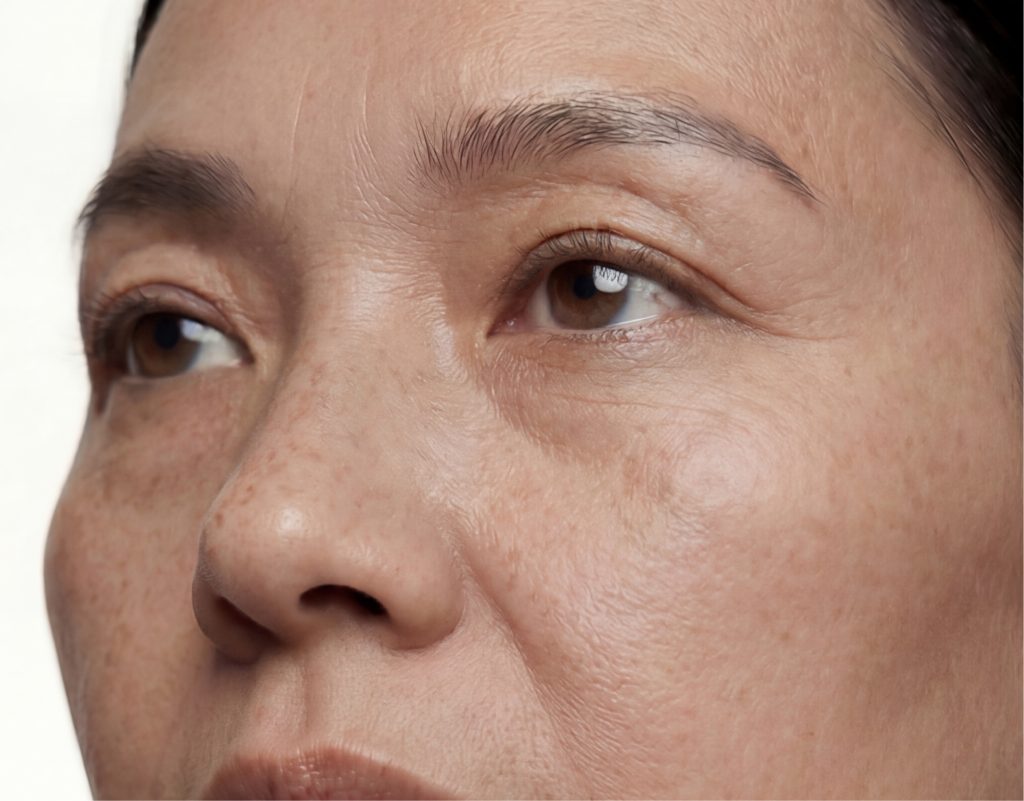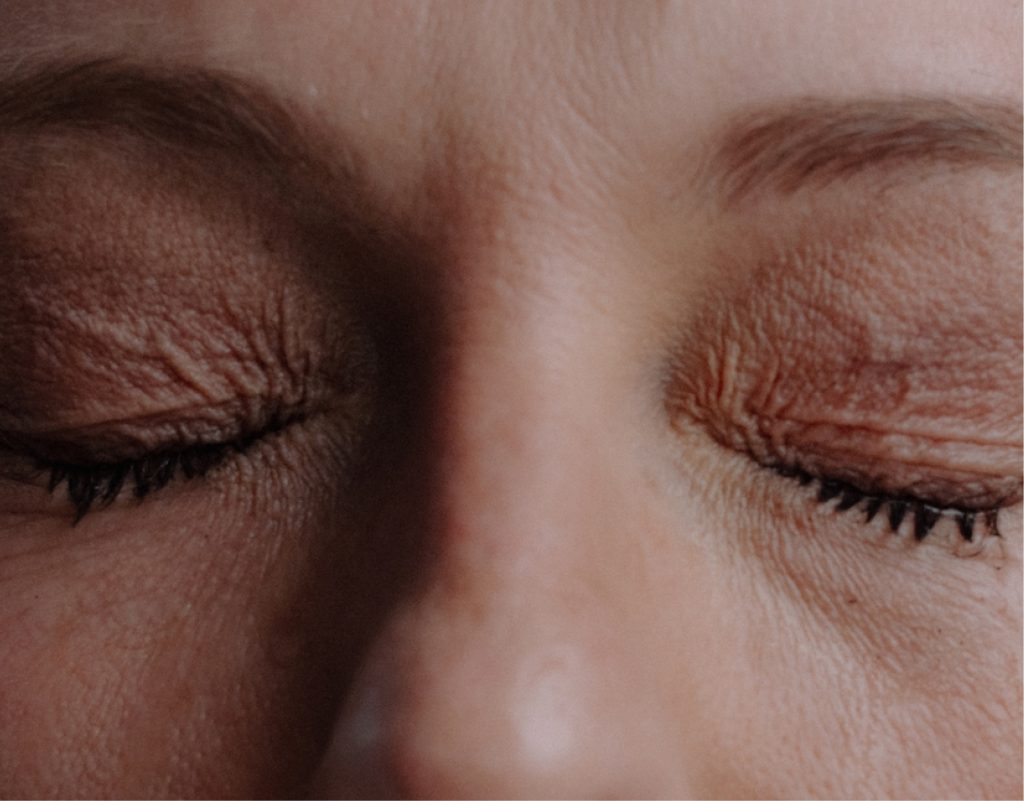
Your expensive serums stopped working around age 40, and it’s not your imagination. The same hormonal shifts causing hot flashes, mood swings, and sleep disruption are fundamentally changing your skin from the inside out. Progesterone and estrogen work together to maintain collagen production, regulate oil glands, and preserve skin structure. When these hormones decline during perimenopause and menopause, traditional skincare simply cannot address what’s happening beneath the surface. BodyMatched™ Anti-Aging Face Cream was designed specifically for this reality, combining bioidentical estriol with prescription-strength actives to treat hormonally aging skin at its source.
Key Takeaways
- Hormones influence skin structure: A randomized clinical trial found that 2% topical progesterone improved skin elasticity and firmness in peri- and postmenopausal women, supporting a direct role for hormone signaling in skin structure
- Hormonal fluctuations affect breakouts: Changes in estrogen, progesterone, and androgens throughout the menstrual cycle and pregnancy can influence oil production and skin appearance, although androgens are the primary hormonal drivers of sebum production.
- Traditional skincare falls short: Without addressing hormonal root causes, retinol serums and peptide creams treat symptoms while the underlying problem continues
- Topical hormones can influence skin structure: A randomized clinical trial found that topical progesterone improved skin elasticity and firmness in peri- and postmenopausal women. BodyMatched™ takes a hormone-informed approach using bioidentical estriol alongside prescription-strength dermatologic actives
- BodyMatched™ offers a comprehensive approach: The 4-in-1 prescription formula combines bioidentical estriol, tretinoin, niacinamide, and optional finasteride to address elasticity, texture, and hormonally driven breakouts


Understanding Hormonal Aging and Skin Elasticity
The Collagen Connection
Your skin contains a complex network of collagen and elastin fibers that provide structure, bounce, and resilience. These proteins don’t simply degrade with time. They depend heavily on hormonal signals to maintain production and prevent breakdown.
Progesterone may contribute to skin structure alongside estrogen, which plays an established role in maintaining collagen. A randomized clinical trial found that 2% topical progesterone improved skin elasticity and firmness in peri- and postmenopausal women, suggesting that progesterone signaling may also influence visible skin aging.
Key points about hormones and collagen:
- Estrogen, particularly estradiol and estriol, works alongside progesterone to stimulate fibroblasts and maintain the dermal matrix
- When both hormones decline, the scaffolding that keeps skin firm begins to collapse
- Hormonal signals are essential for ongoing collagen production and prevention of breakdown
Why Your 30s and 40s Bring Visible Changes
Hormonal decline doesn’t wait until menopause. During perimenopause, ovulation becomes less consistent, so progesterone may become lower or more erratic while estrogen also begins to fluctuate. These changes can start years before the final menstrual period and vary widely from woman to woman.
This early hormonal shift explains why many women notice skin changes during perimenopause long before experiencing classic menopausal symptoms.
What happens during hormonal decline:
- The loss becomes measurable through clinical data
- Women experience significant collagen decline in the years surrounding menopause
- The most dramatic losses occur in the first five postmenopausal years
- This translates to visible sagging, fine lines deepening into wrinkles, and skin that no longer bounces back
Understanding this timeline matters because recognizing hormone-related skin changes early gives women more opportunities to explore appropriate treatments. Hormone-informed skincare may help support collagen, elasticity, and hydration as skin changes during perimenopause and menopause.
Bioidentical Estriol for Enhanced Skin Firmness and Elasticity
How Estriol Differs from Other Estrogens
Estriol is the mildest of the three main estrogens your body produces, making it particularly well-suited for topical facial application. Unlike the more potent estradiol, estriol has been studied for its potential to support skin firmness, hydration, and elasticity. When applied topically, its systemic absorption depends on the concentration, formulation, and individual patient factors.
Topical hormone therapy has been studied for age-related skin changes, but results depend on the specific hormone, dose, and formulation. BodyMatched™ uses 0.3% bioidentical estriol as its estrogen component, paired with tretinoin and niacinamide to support firmness, texture, and hydration.
Why bioidentical matters:
- Bioidentical estriol has the same molecular structure as the estriol your body naturally produces
- This allows it to interact with estrogen receptors the same way as endogenous estriol
- Other estrogenic compounds can also activate estrogen receptors, but their potency, receptor activity, and metabolism may differ
- The bioidentical structure provides compatibility with your body’s natural hormone receptors
Clinical Evidence for Skin Improvement
Clinical evidence shows that certain topical hormones can influence age-related skin changes, although the evidence is specific to the hormone and formulation studied. In a 16-week randomized trial, 2% topical progesterone significantly improved objective measures of skin elasticity and firmness in peri- and postmenopausal women. The study did not find significant improvements in epidermal hydration or surface lipids, so broader skin-barrier claims require separate evidence.
BodyMatched™ leverages hormone-informed principles by incorporating multiple complementary mechanisms:
- 0.3% bioidentical estriol as part of its prescription topical formula
- 0.01% tretinoin paired with niacinamide to support firmness, texture, and hydration
- Optional 0.25% finasteride for DHT-related concerns
- The formula is designed for facial use and prescribed after clinical review
Could what you're feeling be hormonal?
A clinician can review your fit for treatment.
Targeting Oily Skin and Breakouts: The Hormonal Connection
The Progesterone Paradox
Progesterone’s relationship with skin is complicated. This hormone can simultaneously contribute to that coveted pregnancy glow while also triggering the worst breakouts of your adult life. Understanding this paradox helps explain why your skin behaves so unpredictably during hormonal fluctuations.
Hormonal breakouts can change across the menstrual cycle as estrogen, progesterone, and androgens fluctuate. However, androgens such as testosterone and DHT are the main direct hormonal drivers of sebaceous gland activity, while progesterone’s specific role in acne is less clearly established.
The hormonal cascade explained:
- DHT is produced from testosterone through the enzyme 5-alpha-reductase; progesterone does not convert directly to DHT
- During perimenopause and menopause, declining estrogen can create relative androgen predominance
- This allows androgen activity to have a stronger effect on oil glands even when testosterone levels are not elevated
- The result is increased sebum production that can lead to clogged pores and hormonal acne
Menopause and the DHT Problem
As estrogen and progesterone decline during menopause, the relative balance of hormones shifts. Androgens like testosterone and DHT don’t drop as dramatically, creating a state of relative androgen excess. This hormonal imbalance contributes to adult acne in women who never had breakouts in their youth.
DHT creates multiple concerns:
- It drives sebaceous glands to overproduce oil
- It’s responsible for unwanted facial hair growth during perimenopause and menopause
- The same hormonal shift creating breakouts drives hair to appear where it never grew before
- Traditional acne treatments don’t address this hormonal root cause
Benzoyl peroxide and salicylic acid clean out clogged pores without stopping the hormonal signals telling your skin to overproduce oil in the first place.
How BodyMatched™ Helps Regulate Oil Production and Prevent Breakouts
The Finasteride Advantage
BodyMatched™ includes optional finasteride at 0.25% specifically to address DHT-driven skin concerns. This prescription ingredient blocks the enzyme that converts testosterone to DHT, interrupting the hormonal cascade before it reaches your sebaceous glands.
Benefits of topical finasteride:
- Inhibits the conversion of testosterone to DHT, a hormone involved in certain androgen-related skin concerns
- May offer additional support for women experiencing DHT-related oiliness or unwanted facial hair, although direct clinical evidence remains limited
- Complements tretinoin and niacinamide in BodyMatched™’s hormone-informed skincare formulation
- Offers an optional, clinician-guided ingredient for women whose skin concerns may involve androgen activity
Most competitors focus exclusively on wrinkles and texture, ignoring the breakout and facial hair concerns that affect so many women during hormonal transitions.
Tretinoin for Pore Health and Cellular Turnover
The 0.01% tretinoin in BodyMatched™ serves multiple functions. As a prescription-strength retinoid, it accelerates cellular turnover to prevent dead skin cells from clogging pores. This mechanism directly addresses acne formation while also reversing visible aging signs.
Why tretinoin outperforms retinol:
- It doesn’t require conversion by your skin to become active
- The compound works immediately upon application
- It delivers consistent results that weaker formulations cannot match
- Research confirms efficacy for both acne and anti-aging
Studies demonstrate reduced acne lesions, improved skin texture, diminished hyperpigmentation, and increased collagen production with regular use.
Niacinamide for Oil Control and Barrier Support
Niacinamide rounds out BodyMatched™’s approach to oily, breakout-prone skin. This vitamin B3 derivative regulates sebum production while strengthening the skin barrier that hormonal changes often compromise.
Multiple benefits in one ingredient:
- Reduces inflammation, calming redness and irritation associated with hormonal breakouts
- Brightening properties fade dark spots that acne often leaves behind
- Addresses post-inflammatory hyperpigmentation without harsh bleaching agents
- Buffers potential irritation from tretinoin
Women new to prescription retinoids often experience dryness and sensitivity. Niacinamide’s barrier-strengthening effects minimize these adjustment period symptoms.
Still have a period but feel off?
You might be earlier in the shift than you think.
Beyond Estriol: Comprehensive Skin Benefits for Hormonal Aging
Addressing Multiple Aging Pathways
Effective hormone-informed skincare cannot rely on a single active ingredient. Skin aging involves collagen loss, impaired cellular turnover, compromised barrier function, oxidative damage, and hormonal imbalance. BodyMatched™ was formulated to address all these pathways simultaneously.
How the formula creates synergy:
- Estriol signals fibroblasts to produce collagen
- Tretinoin removes damaged surface cells to reveal fresher skin
- Niacinamide protects the barrier during this renewal process
- Optional finasteride prevents hormone-driven oil and hair concerns
This multi-pronged approach explains why women using BodyMatched™ report improvements across multiple concerns rather than addressing wrinkles while breakouts worsen or vice versa.
Results Women Actually Experience
Research on ingredients used in BodyMatched™ supports potential improvements in skin texture, fine lines, firmness, and uneven pigmentation. By combining bioidentical estriol with tretinoin and niacinamide, BodyMatched™ is designed to address several visible concerns associated with hormonal skin aging.
For women concerned about unwanted hormonal facial hair, BodyMatched™ offers optional finasteride to target DHT-related pathways, although individual results may vary and evidence for this specific topical use remains limited. This addresses a symptom that perimenopause causes but most prescription creams ignore entirely.
Realistic timeline for results:
- Some women notice improvements in hydration and texture within 2 to 4 weeks
- Wrinkle reduction and hair thinning can take 8 to 12 weeks
- Best results often develop over 3 to 6 months of consistent use
- Skin cell turnover cycles mean patience is required, but hormonal support compounds over time
Why Over-the-Counter Products Fall Short
Premium OTC skincare brands charge $175 to $230 for serums containing proprietary peptides, retinol, or vitamin C. These products can improve surface hydration and provide antioxidant protection, but they cannot address hormonal causes of skin aging.
The fundamental limitations:
- Peptide serums can support collagen signaling, but they do not replace declining estrogen
- Estrogen and tretinoin act through different pathways, which is why combining hormone-informed care with a proven retinoid can address more than one driver of hormonally aging skin
- Retinol requires conversion to tretinoin by your skin before becoming active
- This conversion is variable across formulations, while prescription tretinoin acts directly on retinoic acid receptors and generally has stronger clinical evidence for improving photoaging.
The truth is that no amount of luxurious serums can replace what declining hormones take away. Women need solutions that understand how their hormones affect their skin.
Why BodyMatched™ Addresses What Other Treatments Miss
Traditional skincare treats symptoms while hormonal changes continue to undermine your skin from within. BodyMatched™ was designed specifically for women experiencing hormonally driven skin aging, combining bioidentical estriol with prescription-strength actives that work through complementary pathways.
What makes this approach different:
- Addresses hormonal root causes, not just surface symptoms
- Combines estriol, tretinoin, niacinamide, and optional finasteride in one prescription formula
- Treats elasticity loss, texture concerns, breakouts, and unwanted facial hair simultaneously
- Prescribed by licensed clinicians who evaluate your specific symptoms and history
Physician-Guided, Personalized Treatment
BodyMatched™ is a prescription medication, not a cosmetic cream purchased blindly online. Inner Balance’s licensed clinicians evaluate your symptoms, history, and goals to determine whether the formula is appropriate for your situation.
This personalized approach means your treatment addresses your specific concerns:
- Women receive a prescription formula with estriol, tretinoin, and niacinamide
- Optional finasteride can be added when DHT-related concerns such as excess oil, acne, or unwanted facial hair are part of the treatment goal
- The process begins with a comprehensive quiz, followed by clinical evaluation and prescription approval
- Your cream ships directly to your door, with ongoing support from the care team to adjust treatment as needed
Getting Started
BodyMatched™ starts at $83 per month with a 3-month subscription. The prescription process includes clinical evaluation by licensed physicians trained in women’s health and hormone therapy.
Inner Balance’s philosophy centers on addressing why your skin changed rather than simply masking symptoms. This approach applies across their treatment offerings, from hormonal skin concerns to systemic hormone imbalance.
What to expect:
- Regular check-ins with the care team to monitor progress
- Formulation adjustments if needed as your skin and hormonal status change
- HSA and FSA eligible (BodyMatched™ is HSA/FSA eligible, although reimbursement or card eligibility can vary by plan)
- Treatment that evolves with your changing needs
Recognizing these symptoms in yourself?
A clinician can review your fit for treatment.
Frequently Asked Questions
How does BodyMatched™ specifically improve skin elasticity?
BodyMatched™ contains 0.3% bioidentical estriol, which binds to estrogen receptors in your dermis and signals fibroblasts to produce more collagen and elastin. This hormonal support works alongside tretinoin, which accelerates cellular turnover to reveal fresher skin. Tretinoin stimulates additional collagen synthesis through a different pathway than estrogen. The combination addresses multiple mechanisms of hormonally driven skin aging simultaneously.
Can BodyMatched™ help with adult acne or hormonally-induced breakouts?
Yes, BodyMatched™ addresses hormonal breakouts through multiple mechanisms that work together. Tretinoin prevents pore clogging by increasing cellular turnover, while niacinamide regulates sebum production and reduces inflammation. The optional finasteride blocks DHT, the androgen most responsible for hormonal acne and excess oil during perimenopause and menopause. This comprehensive approach targets the hormonal root cause rather than just treating surface symptoms.
What makes bioidentical estriol beneficial for skin compared to other ingredients?
Bioidentical estriol matches the molecular structure of the estrogen your body naturally produces, allowing efficient binding to skin receptors. Clinical research shows topical hormones can influence elasticity and firmness in ways that non-hormonal ingredients cannot replicate. BodyMatched™ pairs estriol with tretinoin and niacinamide to address both hormonal and cellular pathways of skin aging. This combination treats the underlying hormonal changes driving visible aging rather than just surface concerns.
Is BodyMatched™ suitable for all skin types?
BodyMatched™ works across skin types, though women with extremely sensitive skin may need a slower introduction to the tretinoin component. The niacinamide in the formula helps buffer potential irritation during the adjustment period. Your Inner Balance clinician can recommend a personalized application schedule based on your skin’s response and medical history. BodyMatched™ contains prescription ingredients that require additional precautions, including avoiding tretinoin and finasteride during pregnancy. Women who are pregnant, planning pregnancy, or breastfeeding should discuss appropriate skincare options with their clinician.
How quickly can I expect to see results when using BodyMatched™?
Some women notice improvements in hydration and texture within 2 to 4 weeks of consistent use. Wrinkle reduction and hair thinning typically take 8 to 12 weeks to become visible. Best results often develop over 3 to 6 months as the hormonal support compounds with ongoing collagen stimulation. Patience is important because skin cell turnover cycles mean changes occur gradually rather than overnight.