


Low libido affects a significant percentage of women in the US—and the numbers climb considerably after menopause. If your desire has quietly disappeared and you find yourself thinking “I love my partner, but I never feel like it,” you’re not alone. Nearly half of women over 65 report low sexual desire, yet this conversation rarely happens in doctor’s offices. While declining estrogen and testosterone play a role, not every woman wants or can use hormone therapy. The good news: effective non-hormonal solutions exist. Inner Balance’s Libida™ represents a new approach to desire support—working directly on your brain’s arousal pathways without altering your hormones. But it’s not the only option. We’ve analyzed the latest clinical research to bring you 12 evidence-based non-hormonal strategies you can consider today.
Key Takeaways
- Brain-based treatments like Libida™ target desire at its neurological source through dopamine and oxytocin pathways—addressing both the spark of desire and emotional connection
- Lifestyle factors matter more than most women realize—exercise improves sexual function, and one extra hour of sleep increases next-day sexual activity by 14%
- Vaginal dryness affects 50% of postmenopausal women and creates a physical barrier that must be addressed for comfortable intimacy
- Supplements like ashwagandha and maca show moderate evidence for libido support but require 4-8 weeks of consistent use
- Many women experience “responsive desire” rather than spontaneous desire—understanding this difference reduces distress
- Non-hormonal approaches work best in combination, layering lifestyle changes with targeted treatments
- For women whose hormones are already optimized but desire still lags, brain-acting treatments like Libida™ may be the missing piece
1. Libida™
At Inner Balance, we developed Libida™ specifically for women whose spark feels muted, disconnected, or missing—whether they’re using hormone therapy or not. Unlike treatments designed for men and adapted for women, Libida™ reflects how female desire actually works: through both neurochemical activation and emotional connection.
Why Libida™ Works Differently
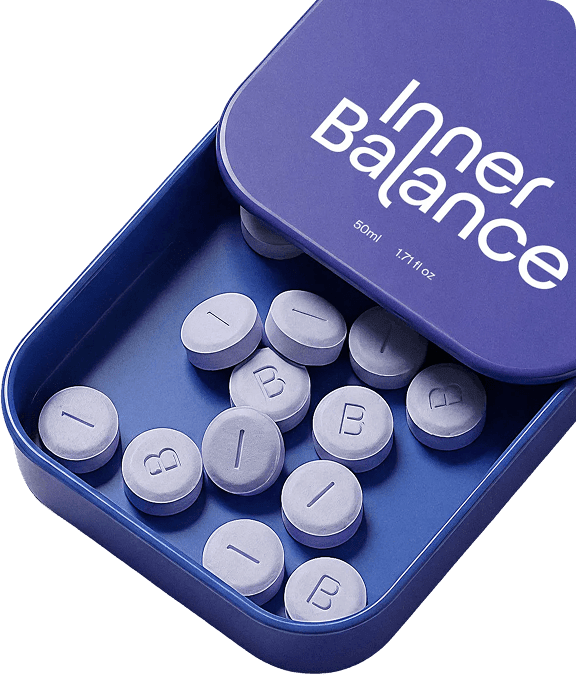
Libida™ combines bremelanotide with oxytocin in a small sublingual tablet—no injections required. This dual-pathway formulation addresses the two essential components of women’s sexuality:
- Bremelanotide activates melanocortin receptors (MC4R) in the hypothalamus, boosting dopamine, motivation, sexual thoughts, anticipation, and arousal
- Oxytocin activates bonding and emotional-safety pathways, supporting connection, closeness, emotional readiness, and relational warmth
The bremelanotide component contains the same active ingredient used in the injectable treatment Vyleesi. Our sublingual formulation is compounded for off-label use under clinician guidance, providing the same brain-acting benefits without needles.
How to Use It
Simply place the tiny lozenge under your tongue 45-60 minutes before intimacy. Effects may last 24-72 hours, meaning you don’t need to time it precisely or take it daily. It’s truly on-demand desire support.
Clinical Evidence
Research on bremelanotide shows:
- Increased desire and arousal
- More satisfying sexual events
- Reduced distress about low libido
- Restored sexual fantasies and responsiveness
What Sets Libida™ Apart
- Only product combining both pathways: No other treatment addresses neurochemical desire AND emotional connection
- Sublingual delivery: No injections, no daily pills
- Compatible with any hormonal status: Works whether you’re on hormone therapy or managing menopause without hormones
- Cost-effective: One-time purchase $249 for 10 tablets, or subscription starting at $199/month for 10 tablets
- Modern approach: Designed for women’s actual physiology, not adapted from male treatments
Who It’s Best For
Libida™ is ideal for women who identify with “my spark is gone” or who love their partners but rarely feel desire. It’s particularly effective for women whose hormones are already addressed but desire still feels flat, those with hypoactive sexual desire disorder, and anyone wanting a non-hormonal, on-demand, brain-first option.
Note: Libida™ isn’t appropriate during pregnancy, breastfeeding, or for those with uncontrolled hypertension or certain cardiovascular conditions.


2. Regular Exercise
Physical activity does more than improve cardiovascular health—it directly impacts sexual function. Research shows women with frequent physical activity experience improved sexual function and desire compared to sedentary women.
How Exercise Helps
- Boosts endorphins and improves mood
- Increases blood flow to pelvic region
- Enhances body image and confidence
- Naturally supports testosterone levels
Implementation
Aim for 150 minutes of moderate activity weekly or 75 minutes of high-intensity exercise. Pelvic floor exercises (Kegels) specifically increase blood flow to vaginal tissues and strengthen muscles involved in orgasm.
Why It Falls Short Compared to Libida™
Exercise improves overall wellbeing but doesn’t directly target the brain pathways that generate desire. Women who exercise regularly may still experience low libido because physical fitness can’t compensate for neurological changes in arousal patterns. It works best as a foundation that supports other interventions.
3. Sleep Optimization
Sleep and sex share a closer relationship than most women realize. Studies show that one extra hour of sleep increases the odds of sexual activity by 14% the following day. Better sleep also correlates with improved genital arousal.
The Sleep-Desire Connection
Research on menopausal women found that around 75% presenting for care had poor sleep quality, and approximately 54% met criteria for sexual dysfunction. Women sleeping fewer than 5 hours nightly showed higher prevalence of sexual dysfunction.
Practical Steps
- Target 7-9 hours nightly
- Establish consistent sleep and wake times
- Address sleep disruptions like night sweats
- Create a calming bedtime routine
Why Sleep Alone Isn’t Enough
Improving sleep helps energy and mood but won’t directly activate desire pathways. You may feel more rested but still lack the neurological “spark” that motivates intimacy. Sleep optimization creates better conditions for desire but doesn’t generate it.
4. Stress Management
Chronic stress actively suppresses libido. Cortisol, your primary stress hormone, can interfere with reproductive hormones and diverts energy away from “non-essential” functions like sexual desire.
Why Stress Kills Desire
- Higher stress correlates with more severe menopausal symptoms
- Daily stress reduces both sexual activity and relationship satisfaction
- Stress hormones directly compete with sex hormones
Evidence-Based Techniques
- Daily mindfulness practice (5-10 minutes minimum)
- Breathwork for pelvic floor awareness
- Yoga or gentle movement
- Scheduling activities that bring genuine joy
Limitations
Stress management removes a barrier to desire but doesn’t create desire itself. Women with well-managed stress may still experience low libido because the neurological pathways that generate sexual motivation need direct activation—something stress reduction alone can’t provide.
5. Dietary Optimization
What you eat affects blood flow, inflammation, and hormone metabolism—all factors in sexual function. A nutrient-rich diet can support sexual health.
Key Foods for Libido Support
- Nitrate-rich vegetables (leafy greens, beets): Improve blood flow including to genitals
- Soy foods (tofu, edamame): May boost vaginal blood flow and lubrication
- Omega-3 fatty acids (fatty fish, flaxseeds): Reduce inflammation, improve mood
- Zinc-rich foods (pumpkin seeds, oysters): Support testosterone production
Time Investment
Dietary changes typically require 4-8 weeks before showing effects on sexual function.
Why Diet Isn’t the Solution
Nutrition supports overall health but can’t overcome neurological changes in desired pathways. Even women eating optimally may experience persistent low libido because food doesn’t directly activate the brain centers responsible for sexual motivation.
6. Maca Root
Maca (Lepidium meyenii) is often marketed for libido, and small studies suggest it may modestly improve sexual desire in some postmenopausal women—even though hormone levels don’t typically change much.
Evidence
- 3.5g daily improved sexual dysfunction in postmenopausal women after 6 weeks
- 3g daily for 12 weeks reduced hot flashes and improved mood in Chinese postmenopausal women
- Pre-gelatinized maca (1000mg twice daily for 2 months) increased estradiol levels while relieving symptoms
Dosage and Timing
1.5-3.5 grams daily for up to 16 weeks. Commonly added to smoothies, yogurt, or baked goods.
Limitations
Results take 4-6 weeks, and effectiveness varies significantly between individuals. Maca works indirectly through hormone modulation rather than directly activating desired pathways. Avoid pregnancy, breastfeeding, or with hormone-sensitive conditions.
7. Ashwagandha
Ashwagandha (Withania somnifera) is an adaptogen that reduces cortisol while potentially supporting hormone balance.
Clinical Evidence
- 300mg twice daily for 8 weeks significantly improved sexual function scores (lubrication, orgasm, arousal) versus placebo
- Same dosing improved Female Sexual Distress Scale scores and increased frequency of sexual encounters
- Reduced perimenopausal symptoms and increased serum estradiol
Best For
Women whose low libido correlates with high stress, anxiety, or perimenopausal symptoms.
Why It’s Not Enough Alone
Ashwagandha works primarily through stress reduction, which removes barriers to desire but doesn’t directly stimulate it. Effects take 4-8 weeks and may interact with thyroid medications.
8. Zinc Supplementation
Zinc is essential for testosterone production, and deficiency affects sexual function. About 50% of people are estimated to be zinc-deficient, with vegans and vegetarians at highest risk.
Strong Evidence
A randomized controlled trial of 116 postmenopausal women with low zinc and low sexual function found zinc supplementation significantly improved:
- Sexual desire and arousal
- Orgasm and satisfaction
- Vaginal moisture
- Reduced pain
Dosage
Standard supplementation to correct deficiency. Don’t exceed 40mg daily long-term to avoid copper deficiency.
Limitations
Only helps if you’re actually deficient. Takes 8-12 weeks for results, and doesn’t directly activate desired pathways in the brain.
9. Vaginal Moisturizers and Lubricants
Vaginal dryness affects 50% of postmenopausal women and creates the primary physical barrier to comfortable intimacy. This must be addressed regardless of what else you try.
Product Categories
Lubricants (use during sex):
- Virgin coconut oil: Clinically proven safe and effective, but weakens condoms
- Water-based lubricants: Condom-compatible, fewer genital symptoms
- Aloe vera gel: Provides hydration, condom-compatible
Moisturizers (use 2-3x weekly):
- Hyaluronic acid products: Retain up to 1000x their weight in moisture
- Applied independent of sexual activity
Evidence
Randomized trials show water-based lubricants relieve dryness AND improve desire, arousal, orgasm, satisfaction, and reduce pain.
Why This Isn’t a Complete Solution
Moisturizers and lubricants address physical comfort but don’t generate psychological desire. You may have comfortable sex but still lack the motivation to initiate it.
10. Communication and Relationship Enhancement
Emotional intimacy often precedes physical intimacy in midlife relationships. Research confirms that relationship quality directly affects sexual satisfaction.
Key Practices
- Express desires without judgment
- Dedicate more time to foreplay and direct clitoral stimulation
- Schedule intimacy (creates anticipation)
- Maintain non-sexual physical affection
Limitations
Communication improves relationship satisfaction but can’t overcome neurological changes in desire. Many women in loving, communicative relationships still experience persistent low libido because the brain’s arousal pathways need direct activation.
11. Understanding Responsive Desire
Many women—especially after menopause—experience responsive desire rather than spontaneous desire. This means arousal comes AFTER initiating sexual activity, not before.
Why This Matters
Understanding that responsive desire is normal reduces distress. You’re not broken if you don’t feel spontaneous urges—you may simply need to begin before desire arrives.
Practical Application
- Schedule intimacy rather than waiting to “feel like it”
- Engage your erotic imagination through visualization
- Focus on pleasure and sensation rather than waiting for desire
What This Can’t Fix
A mindset shift helps reduce psychological distress but doesn’t generate desire itself. Women who understand responsive desire may still find that arousal doesn’t reliably arrive even after beginning intimacy.
12. Addyi (Flibanserin)
In December 2025, the FDA expanded Addyi’s indication to women under 65 with acquired, generalized HSDD—including postmenopausal women—making it a more relevant non-hormonal option in midlife care.
How It Works
Flibanserin targets serotonin receptors in the brain to increase sexual desire. It requires daily dosing at 100mg at bedtime.
Important Limitations
- Cannot combine with alcohol
- Cannot use with fluconazole (common yeast infection medication)
- Side effects include low blood pressure, drowsiness, dizziness
- Not approved for women 65+
Comparison to Libida™
While Addyi requires daily dosing and strict alcohol avoidance, Libida™ offers on-demand use without these restrictions. Libida™’s dual-pathway approach (bremelanotide + oxytocin) also addresses emotional connection—something Addyi doesn’t target.
Why Most Non-Hormonal Treatments Fall Short
Every option on this list—from exercise to supplements to mindset shifts—attempts to support desire without directly activating the brain pathways that generate it. Women’s desire is complex, involving dopamine-driven motivation, hypothalamic activation, and emotional safety—often simultaneously. Most treatments address one piece while ignoring others.
Libida™’s dual-pathway approach is different. By combining bremelanotide (for dopamine and arousal) with oxytocin (for bonding and emotional readiness), it addresses both the neurochemical spark and the relational warmth that female desire requires.
For women already using hormone therapy like Oestra™, Libida™ can be the missing piece when desire still lags despite optimized hormones. For women managing menopause without hormones, Libida™ offers targeted desire support that lifestyle changes alone can’t provide.
The Bottom Line
Low libido after menopause isn’t something you need to accept. Effective non-hormonal options exist—from lifestyle foundations like sleep and exercise, to targeted treatments like Libida™ that work directly on your brain’s desired pathways.
The most effective approach combines multiple strategies: address physical comfort with lubricants, build a foundation with lifestyle changes, and consider targeted brain-acting treatments for the neurological component of desire. Libida™ stands out because it’s the only option addressing both the dopamine-driven spark and the oxytocin-supported emotional connection that female desire requires.
You deserve to feel like yourself again—including your sexual self. Whether you choose to layer lifestyle changes, try Libida™, or explore other options, the first step is recognizing that solutions exist and you’re worth the effort.
Frequently Asked Questions
How is Libida™ different from other libido treatments?
Libida™ is the only formulation combining bremelanotide with oxytocin, addressing both neurochemical desire (through dopamine and motivation) AND emotional connection (through bonding pathways). Other treatments focus on only one aspect. It’s also sublingual—no injections—and on-demand rather than daily, making it practical for real life. The effects can last 24-72 hours, and it’s compatible with any hormonal status.
Can I use Libida™ if I’m already on hormone therapy?
Absolutely. Libida™ is non-hormonal and designed to complement hormonal treatments like Oestra™. Many women find their hormones are optimized but desire still lags—Libida™ addresses this by working on brain pathways rather than hormone levels. It’s the “missing piece” for women who need neurological desire support beyond what hormones provide.
How quickly do non-hormonal libido treatments work?
It depends on the approach. Libida™ works within 45-60 minutes for on-demand use. Lubricants provide immediate physical comfort. Lifestyle changes and supplements typically require 4-12 weeks of consistent use before showing effects. This is why many women benefit from combining fast-acting solutions (Libida™, lubricants) with foundation-building approaches (exercise, stress management).
What if I’ve tried natural supplements without success?
Supplements like maca and ashwagandha work indirectly—modulating stress or supporting hormone metabolism—rather than directly activating desired pathways. If they haven’t worked for you, it may mean your low libido has a neurological component that requires direct brain activation. Libida™’s mechanism is fundamentally different: it acts on melanocortin receptors in the hypothalamus to boost dopamine and motivation directly, while oxytocin supports emotional readiness.
Is low libido after menopause something I just have to accept?
No. While desire changes are common after menopause, they’re not inevitable or untreatable. The medical community has historically dismissed women’s sexual concerns, but that’s changing. Effective treatments exist—from lifestyle modifications to targeted therapies like Libida™. The first step is recognizing that your desire matters and seeking care from providers who take it seriously.


