


If you’re exhausted from being told your low sex drive is “just stress” or “part of aging,” you’re not alone—studies show many women experience sexual concerns that arise from multiple factors including biological, psychological, and relational influences. Your estrogen, progesterone, and testosterone levels do play important roles in sexual desire, arousal, and satisfaction—and these hormones naturally decline with age. While this is just one piece of the puzzle, addressing hormonal changes along with lifestyle factors can make a meaningful difference in how you feel.
Key Takeaways
- Hormones play a role: Testosterone levels decline with age, affecting libido alongside progesterone and estradiol changes
- Natural approaches can help: Exercise, nutrition, and sleep improvements show measurable benefits as part of a comprehensive approach
- Vaginal hormone delivery for local symptoms: Vaginal estrogen effectively treats genitourinary symptoms while bypassing first-pass metabolism
- Multiple interventions work best: Combining targeted nutrition, exercise, stress management, and appropriate medical treatment produces the best results
- Results timeline varies: Some approaches like exercise may show immediate effects, while hormonal treatments typically take 4-12 weeks
1. Consider Bioidentical Hormone Therapy with Inner Balance
When Hormones May Help
For women experiencing bothersome symptoms related to hormonal changes, bioidentical hormone therapy can be one option to consider. Bioidentical hormones match your body’s molecular structure and may help address symptoms when lifestyle changes alone aren’t sufficient.
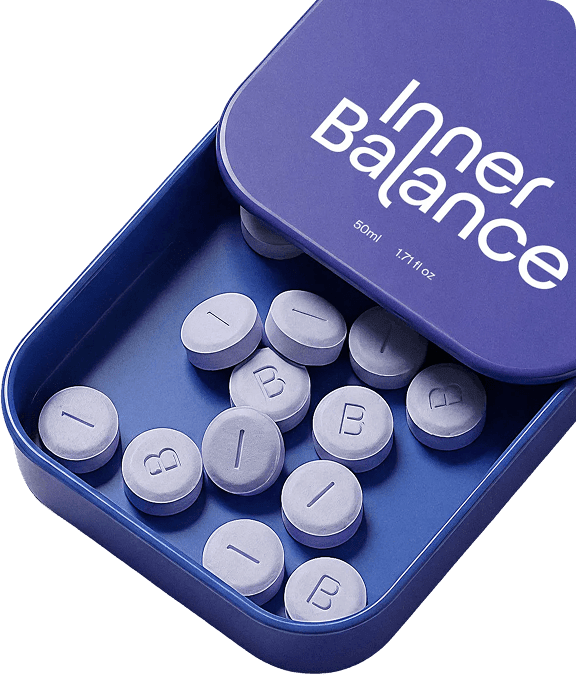
Inner Balance offers bioidentical hormone options including Oestra™, which combines bioidentical progesterone and estradiol. For genitourinary symptoms like vaginal dryness, vaginal estrogen is well-established as an effective treatment that provides local relief.
Understanding Your Options
Hormone therapy isn’t right for everyone, and decisions should be individualized based on your symptoms, health history, and preferences. The North American Menopause Society recommends discussing benefits and risks with your healthcare provider. For some women with hypoactive sexual desire disorder (HSDD) after menopause, testosterone therapy may be considered under appropriate medical supervision.


2. Exercise for Physical and Mental Benefits
The Exercise-Libido Connection
Physical activity can support sexual function through multiple pathways. Studies suggest that regular exercise enhances blood flow, improves mood through endorphin release, helps manage stress, and may support healthy hormone levels.
Cardiovascular exercise specifically improves the vascular function that’s important for arousal and natural lubrication. While some small studies have shown acute effects of exercise on arousal, the most consistent benefits come from regular physical activity over time.
Most Effective Exercise Types
Strength training: May support hormone balance while improving body image
Yoga: Some small studies suggest potential benefits for sexual function
Pilates: Can strengthen core and pelvic floor muscles
High-intensity intervals: Efficient way to improve cardiovascular fitness
Aim for at least 150 minutes weekly of moderate activity, adding strength training twice per week. The key is finding activities you enjoy and can maintain consistently.
3. Optimize Your Sleep Quality
Sleep’s Impact on Sexual Health
Research in young women found that longer sleep duration was associated with greater likelihood of sexual activity the next day. Quality sleep is important for overall health, energy levels, and hormone regulation.
Sleep disturbances are common in women experiencing hormonal changes and can affect multiple aspects of wellbeing including sexual function. Poor sleep can lead to fatigue, mood changes, and reduced interest in intimacy.
Sleep Optimization Strategies
Create consistent sleep-wake times to support your natural rhythms. Keep bedrooms at a comfortable temperature (around 65-68°F) for better sleep. Limit screens before bed to support natural melatonin production. Consider discussing sleep concerns with your healthcare provider, especially if you’re experiencing night sweats or insomnia related to perimenopause.
4. Manage Stress Through Proven Techniques
How Stress Affects Libido
Chronic stress and elevated cortisol can suppress sexual desire through multiple pathways. Stress affects both physical and psychological aspects of sexual function, potentially interfering with arousal and enjoyment.
Managing stress effectively can help remove barriers to intimacy and improve overall wellbeing. Even moderate stress reduction may help restore sexual interest over time.
Evidence-Based Stress Solutions
Meditation: Regular practice may help reduce stress and improve mindfulness
Deep breathing: Can activate the relaxation response
Mindfulness practices: May enhance present-moment awareness during intimacy
Regular massage: Can promote relaxation and connection with your partner
Sexual meditation and mindfulness-based approaches specifically focus on enhancing intimate experiences through present-moment awareness.
5. Support Your Health with Balanced Nutrition
The Mediterranean Diet Approach
Observational studies suggest that Mediterranean-style eating patterns may support sexual function, though more research is needed. This anti-inflammatory approach emphasizes whole foods that support overall health.
Key components include olive oil providing vitamin E and healthy fats, fatty fish offering omega-3 fatty acids, colorful vegetables with antioxidants, and nuts providing minerals like zinc.
Foods That May Support Sexual Health
Dark chocolate: Contains flavonoids that may support vascular function
Watermelon: Contains citrulline, though effects on libido are unproven
Avocados: Provide vitamin E and healthy fats
Focus on a balanced diet with plenty of whole foods, limiting excessive sugar and processed foods that may affect energy and mood.
6. Address Potential Nutritional Deficiencies
Key Vitamins for Overall Health
Vitamin D plays many roles in the body. Have your levels checked and supplement as needed—common doses range from 800-2000 IU daily, with up to 4000 IU as the tolerable upper limit. Iron deficiency can cause fatigue—consider testing if you have heavy periods.
B-complex vitamins support energy production. While these nutrients are important for overall health, their specific effects on libido vary by individual.
Mineral Support
Zinc: Important for many body functions; typical intake for women is 8mg daily
Magnesium: The tolerable upper limit from supplements is ≤350mg daily
Selenium: An essential mineral found in many foods
Getting nutrients from whole foods provides the best absorption. Discuss supplementation with your healthcare provider, especially if you have underlying health conditions.
7. Explore Herbal Supplements Carefully
L-Arginine Considerations
Some studies using L-arginine (often in combination formulas) report improvements in sexual function, though evidence is mixed. This amino acid is involved in nitric oxide production. Consult your healthcare provider before use, especially if you take medications for heart disease or blood pressure.
Traditional Herbs
Maca root: Some small studies suggest potential benefits
Ashwagandha: May help with stress management
Korean red ginseng: Limited evidence for sexual function benefits
Remember that supplements aren’t regulated like medications. Quality and potency can vary, and they may interact with other medications you’re taking.
8. Strengthen Your Pelvic Floor Muscles
Benefits of Pelvic Floor Exercise
Strong pelvic floor muscles may enhance sensation and sexual function. Research suggests that targeted pelvic floor training can be beneficial for some women, though individual results vary.
Progressive exercises include basic Kegels (start with 3 sets of 10 daily), bridge poses with pelvic engagement, squats while maintaining pelvic floor awareness, and specialized Pilates exercises.
Getting Started Safely
Practice pelvic floor exercises as part of your regular routine. If you’re unsure about proper technique or experience any discomfort, consider consulting a pelvic floor physical therapist who can provide personalized guidance.
9. Improve Relationship Communication
Communication and Sexual Satisfaction
Research shows that sexual communication frequency correlates with both sexual and relationship satisfaction. Open, honest discussions about desires, preferences, and concerns can significantly improve intimacy.
Key areas to discuss include expressing desires and boundaries, addressing physical comfort, exploring emotional needs, and creating a safe space for vulnerability.
Building Better Communication
Schedule regular check-ins about your relationship without pressure for sex. Use “I feel” statements to express your needs. Share resources together to normalize these important discussions. Consider couples therapy if communication feels challenging—professional support can be invaluable.
10. Create Supportive Daily Habits
Small Changes That Add Up
Daily choices can support your overall sexual health. Stay well-hydrated for overall health and comfort. Limit alcohol, which can affect sleep and hormone function. Get regular sunlight exposure for vitamin D and mood benefits.
Establish morning routines that help you start the day calmly. Create evening wind-down rituals that help you transition from daily stress to relaxation.
Environmental Considerations
Consider reducing exposure to potential endocrine disruptors by choosing organic produce when possible, using glass instead of plastic for food storage, selecting fragrance-free personal care products when you can, and using a water filter if concerned about water quality.
These are general health recommendations that may support overall wellbeing, including hormonal health.
11. Work with Healthcare Providers for Comprehensive Care
When to Seek Professional Support
If lifestyle changes aren’t providing sufficient relief, consider discussing your concerns with a healthcare provider. They can help evaluate potential causes and discuss treatment options appropriate for your situation.
Taking a Comprehensive Approach
The most effective approach often combines multiple strategies. While exercise, nutrition, and stress management provide valuable support, some women may benefit from medical treatments including hormone therapy when appropriate.
For those considering hormone therapy, Inner Balance offers consultations to discuss whether bioidentical hormones might be appropriate for your situation. Remember that treatment should always be individualized based on your unique needs and health history.
Making These Approaches Work Together
Creating Synergy
Combining multiple approaches often produces better results than any single intervention. Exercise improves mood and energy while stress management removes psychological barriers. Good sleep supports overall health while balanced nutrition provides essential nutrients.
Start with foundational habits: prioritize 7-9 hours of sleep, aim for 150 minutes of weekly exercise, and focus on whole-food nutrition. Add targeted approaches based on your specific needs and preferences.
Realistic Expectations
Immediate effects: Exercise may provide mood and energy benefits right away
1-2 weeks: Better sleep habits can improve energy
4-6 weeks: Nutritional changes may start showing benefits
8-12 weeks: Hormone therapy, if appropriate, typically shows full effects
3-6 months: Full integration of lifestyle changes
Remember that changes in libido are often multifactorial. Be patient with yourself as you explore what works best for your body and situation.
Frequently Asked Questions
Can I improve libido naturally without taking hormones?
Yes, many women find that lifestyle approaches like exercise, sleep optimization, and stress management can help, especially when sexual concerns are mild. However, these interventions work best as part of a comprehensive approach that addresses all contributing factors.
How long before I notice improvements in my sex drive?
The timeline varies by approach and individual. Exercise may boost mood immediately, while dietary changes typically take 4-8 weeks to show effects. Hormone therapy, when appropriate, usually shows initial improvements within 2-4 weeks with optimal results by 12 weeks.
Why is vaginal hormone delivery sometimes recommended?
For genitourinary symptoms like dryness and discomfort, vaginal estrogen provides effective local treatment while minimizing systemic absorption. This approach bypasses first-pass liver metabolism and can provide targeted relief.
Are natural libido supplements safe?
While many supplements are generally well-tolerated, some can interact with medications or have side effects. For example, L-arginine should be used cautiously with heart or blood pressure medications. Always consult your healthcare provider before starting new supplements.
What’s the most important thing I can do today to start improving my libido?
Begin with foundational health habits—aim for 7-9 hours of quality sleep tonight, as research shows sleep duration relates to sexual activity in young women. Then consider scheduling a healthcare consultation to discuss your specific situation and whether treatments like those offered by Inner Balance might be appropriate while you implement these natural strategies.


