


Evidence-based data on how hormonal changes affect desire, intimacy, and sexual wellness—plus what actually works
Key Takeaways
- Your diminished desire is real, not imagined — 52.4% of naturally menopausal women experience low sexual desire, nearly double the rate of premenopausal women, validating that this isn’t “all in your head”
- Sexual dysfunction affects the majority — Studies show 40-80% of postmenopausal women experience sexual dysfunction, yet treatment rates remain remarkably low
- The treatment gap is staggering — 73% of women don’t seek treatment despite available solutions, often because only 20% feel well-informed about menopause
- Vaginal dryness is both common and treatable — 98% of women using Oestra™ report improvement in vaginal dryness, demonstrating that suffering is optional
- Desire involves more than hormones — When hormones are optimized but libido still lags, brain-based solutions like Libida™ address both neurochemical spark and emotional connection
- Relationships feel the impact — 38% of partners report their partner’s menopause-related low libido has affected intimacy and relationship quality
- Sex remains important to most — A majority of postmenopausal women report that maintaining a sex life matters to them, despite symptoms making it difficult


Understanding the Scope
If your desire has gone quiet during perimenopause or menopause, you’re experiencing one of the most common—and most undertreated—symptoms of hormone imbalance. The numbers tell a story that validates what millions of women live daily: sexual wellness changes dramatically during the menopause transition, affecting everything from physical comfort to emotional intimacy.
These statistics aren’t just data points. They represent real women who’ve been told their symptoms are “normal aging” or dismissed with suggestions to “use lubricant.” The truth? Your diminished desire has a root cause—hormone imbalance—and addressing that cause produces measurable results. Inner Balance has helped thousands of women restore their sexual wellness through bioidentical hormone solutions, with 76% reporting improvement in sex drive and arousal.
What follows is a comprehensive look at what the research reveals about menopause and sexual health, why traditional approaches fall short, and what actually works.
Prevalence of Low Libido in Menopause
1. 52.4% of naturally menopausal women experience low sexual desire
More than half of women who’ve gone through natural menopause report diminished sexual desire, compared to just 26.7% of premenopausal women. This nearly twofold increase validates that the menopausal transition fundamentally changes how women experience desire. The shift isn’t subtle—it’s a dramatic alteration in your relationship with intimacy that deserves medical attention, not dismissal. Understanding this prevalence helps women recognize they’re not alone and that effective treatments exist to address what is clearly a widespread biological change, not a personal failing. Source: Oregon Health & Science University
2. 40–55% of menopausal women report low sexual desire as their most frequent symptom
Low desire isn’t just common—it’s often the most frequently reported sexual symptom during menopause. This places diminished libido ahead of even vaginal dryness in terms of how often women bring it up as a concern. The prominence of this symptom reflects estrogen and progesterone’s crucial roles in brain chemistry, neurotransmitter function, and the complex interplay of factors that create sexual interest. When these hormones decline, the neurological pathways that generate desire are directly affected—making this a biological reality, not a psychological one. Source: Medicina
3. Studies show 40-80% of postmenopausal women experience sexual dysfunction
Research reveals that a significant percentage of postmenopausal women experience some form of sexual dysfunction, with prevalence rates ranging widely depending on population studies. The dysfunction encompasses multiple domains: desire, arousal, lubrication, orgasm, satisfaction, and pain. Each of these connects back to hormonal changes that affect vaginal tissue health, blood flow, nerve sensitivity, and brain chemistry. The comprehensive nature of this impact explains why single-symptom treatments often fail—women need solutions that address the whole picture. Source: Health Science Reports
4. 68–87% of peri- and postmenopausal women express sexual concerns
Even at the lower end, more than two-thirds of women in menopause transition have sexual concerns worth addressing. This validates that the majority experience meaningful changes to their sexual wellness—changes that affect self-image, relationships, and quality of life. These concerns deserve validation and treatment, not minimization. When nearly 9 in 10 women at the upper estimate express worry about their sexual health, it’s clear this is a mainstream health issue requiring mainstream solutions. Source: The Menopause Society
Physical Symptoms Affecting Sexual Wellness
5. 50% of middle-aged and elderly women are affected by Genitourinary Syndrome of Menopause (GSM)
Half of women experience GSM—a condition encompassing vaginal dryness, burning, irritation, and urinary symptoms that progressively worsens without treatment. Unlike hot flashes that may eventually subside, vaginal symptoms from GSM usually persist—and often worsen—without treatment. The tissues continue thinning, the discomfort increases, and sexual activity becomes increasingly difficult or painful. This progressive nature makes early intervention crucial. Bioidentical hormone therapy delivered vaginally can restore tissue health, with vaginal delivery providing better bioavailability than oral alternatives. Source: International Menopause Society
6. 25–30% of menopausal women experience poor lubrication
Up to 30% of women report lubrication problems that directly interfere with comfortable sexual activity. Natural lubrication depends on healthy vaginal tissue, adequate blood flow, and sufficient estrogen—all of which decline during menopause. The result is friction, discomfort, and often a decision to avoid intimacy altogether. While store-bought lubricants offer temporary relief, they don’t address the underlying tissue atrophy. Restoring estrogen and progesterone through vaginal delivery supports the body’s natural lubrication mechanisms at their source. Source: Medicina
7. 12–45% of menopausal women experience dyspareunia (painful intercourse)
Painful sex affects up to 45% of menopausal women, severe enough in many cases to prevent sexual activity entirely. The pain results from vaginal atrophy, reduced elasticity, and tissue fragility that can cause microtears and bleeding. This isn’t mild discomfort—it’s pain significant enough to rewire a woman’s relationship with intimacy. Many women report that dyspareunia contributed to relationship strain or avoidance of physical closeness altogether. Addressing the root cause through hormone restoration can reverse these tissue changes and restore comfortable intimacy. Source: Science Direct
8. 41% of American women with vaginal atrophy say it negatively impacted their sex life
Beyond physical symptoms, vaginal atrophy creates psychological barriers to intimacy. Women describe feeling “old,” experiencing damaged self-esteem, and avoiding situations where sex might be expected. The emotional toll compounds the physical symptoms, creating a cycle where both body and mind resist intimacy. Breaking this cycle requires addressing both the tissue changes and the resulting psychological impact—something comprehensive hormone restoration can accomplish by healing the underlying cause rather than masking symptoms. Source: Oregon Health & Science University
The Treatment Gap
9. Data from 2013 showed only 2.9% of women aged 55-59 used hormone therapy
Historical data reveals remarkably low hormone therapy usage rates, with fewer than 3% of women in this age group receiving treatment. This treatment gap represents millions of women suffering unnecessarily. The reasons vary: outdated fears from the 2002 Women’s Health Initiative study (which has since been reinterpreted), lack of provider knowledge, and women’s reluctance to discuss intimate symptoms. The tragedy is that vaginal hormone therapy has minimal systemic absorption and is safe for most women—yet nearly all who could benefit go without treatment. Source: The Menopause Society
10. 73% of women don’t seek treatment for menopause symptoms
Nearly three-quarters of women never seek treatment despite available solutions. This statistic reflects multiple barriers: normalization of suffering (“it’s just menopause”), dismissive healthcare encounters, lack of information, and fear of hormone therapy. The result is widespread, unnecessary suffering. When the data shows that 98% of women report improvement in vaginal dryness with proper treatment, this treatment gap becomes not just disappointing but preventable. Women deserve to know that solutions exist and that seeking help is not only reasonable but recommended. Source: Forbes
11. Only 20% of women feel well-informed about menopause
The knowledge gap drives the treatment gap. When only 1 in 5 women feels adequately informed about menopause, how can they seek appropriate care? This statistic indicates both the medical system and broader society for failing to educate women about a universal female experience. The information void gets filled with myths, outdated warnings, and resignation. Empowering women with accurate, evidence-based information about hormone imbalance and effective treatments is essential for closing the treatment gap. Source: World Economic Forum
12. HRT usage dropped from 40% to just 4% after 2002
The dramatic 90% decline in HRT usage following the Women’s Health Initiative study represents one of medicine’s most significant overcorrections. The study’s initial findings, since reinterpreted and clarified, caused widespread abandonment of hormone therapy—including by women who would have benefited safely. Modern evidence shows HRT, especially bioidentical hormones delivered vaginally, is safe for most women when started within 10 years of menopause. The pendulum is slowly swinging back, but millions of women suffered unnecessarily during these decades of treatment avoidance. Source: FP Analytics
Relationship and Emotional Impact
13. 38% of partners report that their partner’s menopause-related low libido has affected intimacy
Sexual wellness changes don’t occur in isolation—38% of spouses report that their partner’s menopause-related low libido has affected their relationship and intimacy. This ripple effect creates stress, misunderstanding, and emotional distance in partnerships. Partners may feel rejected or confused; women may feel guilty or pressured. Addressing low libido through root-cause treatment benefits both individuals and relationships. When desire returns—through hormone restoration or targeted solutions like Libida™—couples often report renewed closeness. Source: African Health Sciences
14. 34% of postmenopausal women report being very dissatisfied with their current desire level
One-third of postmenopausal women aren’t just experiencing low desire—they’re very dissatisfied with it. This dissatisfaction indicates distress, the clinical marker that separates normal variation from a condition warranting treatment. When a woman is distressed by her low libido, she deserves options. Hypoactive Sexual Desire Disorder (HSDD) affects 12.5% of surgically menopausal women—the highest rate among all groups—demonstrating that hormone loss directly impacts the brain’s desire pathways. Source: Oregon Health & Science University
When Hormones Are Optimized But Desire Still Lags
15. Educational interventions improve sexual function scores by 3.08 points
Research shows that educational programs about menopause and sexual health produce measurable improvements in sexual function. Knowledge empowers action. When women understand that their symptoms have a biological basis and that treatments work, they’re more likely to seek help and experience improvement. This statistic reinforces that information itself is therapeutic—and that comprehensive care includes education alongside treatment. Source: Health Science Reports
The Bigger Picture
16. More than 1 billion women worldwide are experiencing menopause stages
The scale is unprecedented: over 1 billion women globally are currently in perimenopause, menopause, or postmenopause. By 2030, 500 million women will be in active transition. This demographic reality demands proportionate attention from healthcare systems, researchers, and employers. When sexual wellness challenges affect the majority of this population, the aggregate impact on quality of life, relationships, and productivity is staggering. These aren’t isolated experiences—they’re a global health priority. Source: FP Analytics
17. Menopause costs the U.S. economy $1.8 billion annually in lost productivity
The economic impact of untreated menopause symptoms reaches $1.8 billion per year in lost work time alone, with $24.8 billion additional in medical costs. Sexual wellness challenges contribute to this through decreased quality of life, relationship stress affecting work performance, and the general toll of living with unaddressed symptoms. Investing in menopause care—including sexual health—isn’t just humane; it’s economically smart. Source: FP Analytics
18. The global menopause market will reach $33.17 billion by 2035
Market growth to $33.17 billion reflects increasing recognition that menopause treatment is both needed and wanted. This expansion includes hormone therapy, non-hormonal options, and specialized telehealth providers making care more accessible. The growth validates that women are seeking solutions and that the healthcare system is responding. Within this market, bioidentical hormone therapy and women-first libido solutions represent the most evidence-based approaches to root-cause treatment. Source: Roots Analysis
The Solution: Addressing Root Cause
Inner Balance approaches sexual wellness through comprehensive hormone restoration, recognizing that symptoms have a single root cause: hormone imbalance.
Oestra™ Hormone Cream delivers bioidentical estradiol and progesterone vaginally, achieving higher bioavailability than oral alternatives while bypassing liver metabolism. Women using Oestra report 98% improvement in vaginal dryness and 76% improvement in sex drive and arousal. The vaginal route provides both local tissue restoration and systemic hormone delivery in one daily application.
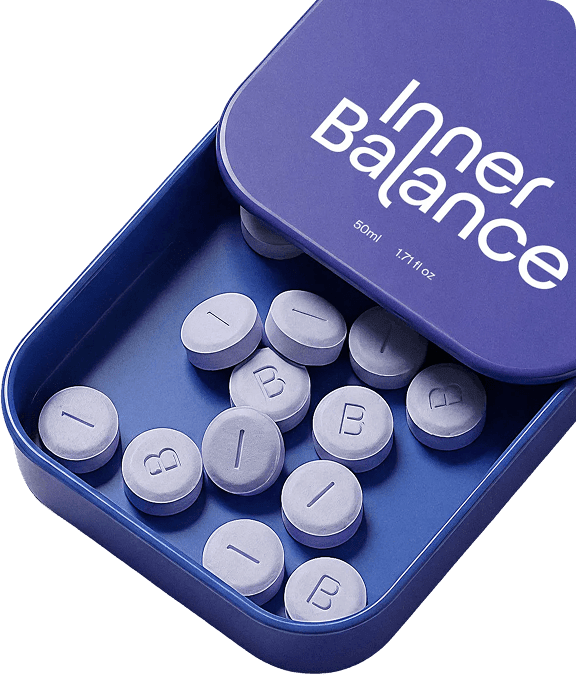
For women whose desire needs more than hormone optimization alone, Libida™ offers targeted support. This sublingual tablet combines bremelanotide (which activates dopamine pathways in the hypothalamus) with oxytocin (which supports emotional connection and bonding)—the first formulation addressing both neurochemical desire and the relational warmth that shapes women’s arousal. Used on-demand before intimacy, Libida™ costs approximately $8–$10 per experience, making brain-first libido support accessible.
Together, these solutions address the full spectrum of menopausal sexual wellness: the tissue changes, the hormonal shifts, the neurochemical pathways, and the emotional readiness that women need to feel like themselves again.
Frequently Asked Questions
How does menopause typically affect a woman’s sex drive?
Menopause affects desire through multiple mechanisms. Declining estrogen reduces vaginal lubrication and tissue health, making sex uncomfortable. Falling progesterone affects mood and sleep, reducing interest in intimacy. Changes in testosterone—your body’s primary driver of libido—further diminish desire. Neurologically, hormone changes alter the brain’s dopamine and serotonin pathways that generate sexual interest. The combination creates the perfect storm for diminished desire, affecting 52.4% of naturally menopausal women.
Is low libido always caused by hormonal changes, or are there other factors?
Hormone imbalance is the primary driver, but other factors can contribute. Relationship quality, stress, body image, medications, and underlying health conditions all play roles. However, research consistently shows that addressing hormone imbalance produces the most significant improvements. For women whose hormones are optimized but desire still lags, neurochemical factors—specifically dopamine and oxytocin pathways in the brain—may need targeted support through options like Libida™.
Can I use Libida™ if I’m already on hormone replacement therapy?
Yes. Libida™ is non-hormonal and compatible with any hormonal status. It works through different pathways than HRT, activating melanocortin receptors in the hypothalamus (boosting dopamine and arousal) while supporting oxytocin-driven bonding and emotional connection. For women using Oestra™ or other hormone therapy who find that desire still feels muted, Libida™ addresses the “missing piece”—the neurological spark that hormones alone may not restore.
How quickly do women typically see improvements with proper treatment?
Most women notice improvement in vaginal dryness and physical comfort within 2–4 weeks of starting hormone therapy. Libido improvements often follow within 4–8 weeks as tissue health improves and hormone levels stabilize. Libida™ works on-demand, with effects typically beginning within an hour of use. Inner Balance users report that 90% experience meaningful symptom improvement within their first months of treatment.
What are the costs associated with managing low libido during menopause?
Oestra™ is $199/month for the first 6 months, then $99/month thereafter, with each order providing a 90-day supply. Libida™ starts at $199/month on subscription for 10 tablets, with the best value option at $249 for 20 tablets. Both are HSA/FSA eligible. Compared to the costs of untreated symptoms—relationship strain, lost productivity, and diminished quality of life—investment in effective treatment delivers significant return.


