


Evidence-based data on the prevalence, causes, and solutions for women’s sexual desire concerns
Key Takeaways
- You’re not alone — Between 40-70% of women experience low sexual desire at any given time, making it one of the most common health concerns women face
- Your symptoms are real — Low libido isn’t “just stress” or “all in your head.” It has biological roots in hormone imbalance, brain chemistry, and life-stage changes that deserve proper treatment
- Hormones are foundational, but not always enough — While hormone imbalance drives many cases of low desire, some women need targeted neurochemical support even after hormones are optimized. Oestra™ addresses the hormonal foundation, while Libida™ offers brain-first, on-demand support for persistent low desire
- Women’s desire works differently than men’s — Many women experience more “responsive” desire—meaning desire often shows up after emotional, mental, or physical stimulation—while patterns vary widely from person to person.
- Treatment gaps persist — 95% of U.S. women don’t even know low libido is a treatable medical condition, and only 25% seek professional help despite proven solutions existing
- The dual-pathway approach matters — Effective desire support must address both the neurochemical spark (dopamine pathways) AND emotional connection (oxytocin pathways) that shape women’s sexual experiences


Understanding the Scope: How Common Is Low Libido?
1. Between 40-70% of women experience low libido at any given time
This isn’t a small minority struggling in silence—it’s potentially the majority of women. Low sexual desire affects 40-70% of women at some point, making it one of the most prevalent health concerns women face. Yet somehow, it remains one of the least discussed. The wide range reflects both the challenge of defining “low” desire and women’s reluctance to report intimate concerns. What’s clear: if you’ve experienced a disconnect between wanting intimacy and actually feeling desire, you’re in the company of millions. Source: Baystate Health
2. Majority of U.S. women are unaware that HSDD is a treatable medical condition
Here’s perhaps the most troubling statistic: the majority of American women don’t know that hypoactive sexual desire disorder (HSDD) is a recognized, treatable medical condition. Most women assume their lack of desire is personal failure, relationship trouble, or simply “how it is now.” This awareness gap explains why so many women suffer unnecessarily. HSDD has specific diagnostic criteria and multiple treatment options—yet most women never learn this. The condition isn’t about having occasional disinterest in sex. It’s persistent low desire causing personal distress, and it responds to proper treatment. Source: PubMed
The Brain-Body Connection: How Women’s Desire Actually Works
3. Women aged 45-64 have the highest prevalence of desire disorders at 12.3%
The peak prevalence of Female Sexual Interest/Arousal Disorder occurs during midlife—exactly when perimenopause disrupts hormone balance. Women aged 45-64 experience the highest rates at 12.3%, compared to 8.9% in younger women and 7.4% in those over 65. This pattern isn’t coincidental. The perimenopausal years bring dramatic hormonal fluctuations that affect both body and brain. Estrogen, progesterone, and testosterone all influence desire, and their decline during this life stage directly impacts sexual interest. The solution isn’t acceptance—it’s hormone restoration through comprehensive bioidentical therapy like Oestra™. Source: NCBI StatPearls
Menopause and Perimenopause: When Desire Declines
4. 52.4% of naturally menopausal women experience low sexual desire, compared to 26.7% of premenopausal women
The numbers tell a stark story: low sexual desire nearly doubles after menopause. While 26.7% of premenopausal women report low desire, that figure jumps to 52.4% after natural menopause. This dramatic increase directly correlates with declining estrogen, progesterone, and testosterone. These hormones don’t just regulate reproduction—they influence brain chemistry, blood flow to genital tissues, sensitivity, and the neurological pathways governing desire. When they decline, desire often follows. Source: PubMed
5. Surgically menopausal women are 2.3 times more likely to have HSDD
Women who undergo surgical menopause (removal of ovaries) face the steepest decline in desire. They’re 2.3 times more likely to develop HSDD than premenopausal women, with 12.5% meeting diagnostic criteria—the highest of any group. The sudden, complete loss of ovarian hormones—rather than gradual decline—creates more severe symptoms. These women particularly benefit from comprehensive hormone restoration that addresses estrogen, progesterone, and testosterone simultaneously, rather than piecemeal approaches. Source: PubMed
6. 68-86.5% of postmenopausal women experience some form of sexual dysfunction
The scope is staggering: up to 86.5% of postmenopausal women experience sexual dysfunction, including low desire, arousal difficulties, painful sex, or orgasm problems. Yet many suffer silently, assuming this is simply what aging means. It doesn’t have to be. Vaginal hormone therapy addresses multiple components of sexual dysfunction simultaneously—restoring tissue health, improving lubrication, and supporting the hormonal foundation of desire. Oestra™ delivers bioidentical estradiol and progesterone with superior bioavailability, treating the root cause rather than symptoms. Source: Fortune Business Insights
Hormonal Conditions and Their Impact on Desire
7. 62% of women with PCOS experience sexual dysfunction, compared to 18.2% of controls
Polycystic ovary syndrome doesn’t just affect fertility—it dramatically impacts desire. 62% of women with PCOS experience sexual dysfunction, more than three times the rate of healthy controls. The mechanism involves hormonal chaos: excess testosterone, insulin resistance, and imbalanced estrogen and progesterone all disrupt normal desire pathways. Among PCOS patients with sexual dysfunction, 99.2% experience issues specifically in the desire and arousal domains, making these the most commonly affected areas. Source: Journal of Ovarian Research
8. 100% of women with severe endometriosis experience sexual dysfunction
Perhaps the most striking statistic: every single woman with severe endometriosis in one study experienced sexual dysfunction. Even among those with minimal endometriosis, 33.33% reported dysfunction. The connection involves both pain (60.6% experience deep dyspareunia) and hormonal disruption. Endometriosis creates chronic inflammation that interferes with normal hormone signaling and causes anticipatory anxiety around intimacy. Comprehensive treatment must address both the underlying hormonal imbalance and the complex relationship between pain, fear, and desire. Learn more about hormone therapy for endometriosis. Source: PMC
9. 69.7% of postpartum women experience loss of desire within 6 months
New motherhood brings profound hormonal shifts that directly impact desire. 69.7% of women experience loss of desire within six months of delivery, alongside 85.6% experiencing lubrication problems. The postpartum period combines hormone depletion, sleep deprivation, physical recovery, and the overwhelming demands of newborn care. While some decline in desire is expected, persistent low libido causing distress deserves treatment. Postpartum hormone support can help restore balance without interfering with established breastfeeding. Source: PMC
The Awareness and Treatment Gap
10. Only 1 in 4 women (25%) seek professional help for sexual dysfunction
Despite high prevalence, only 25% of women with sexual dysfunction symptoms seek professional help. The remaining 75% suffer in silence, often assuming nothing can be done or feeling too embarrassed to discuss intimate concerns. This treatment gap represents millions of women who could benefit from proven therapies. The barrier isn’t a lack of solutions—it’s a lack of awareness, access, and comfort discussing these issues with providers who may not be adequately trained. Source: Financial Times Markets
11. 60% of physicians rate their knowledge of female sexual dysfunction as “poor” or “fair”
The challenge isn’t just women’s reluctance to seek help—it’s that many providers can’t help even when asked. Approximately 60% of physicians rated their knowledge and comfort diagnosing or managing female sexual dysfunctions as poor or fair. Even more concerning: 90% of resident physicians and faculty reported lacking confidence to diagnose these conditions. This training gap means women often receive dismissive responses (“it’s just stress”) rather than proper evaluation and treatment. Inner Balance was founded by Dr. Sarah Daccarett, MD, specifically because she believed women deserve to be believed by their doctors. Source: NCBI StatPearls
12. 37% of women with untreated sexual dysfunction report symptoms getting worse over time
Without treatment, low libido doesn’t simply resolve—it often worsens. Only 13% of women with sexual dysfunction symptoms report improvement over time without intervention, while 37% experience worsening symptoms. This progressive nature emphasizes why early intervention matters. Hormone imbalance tends to compound: declining hormones affect brain chemistry, which affects desire, which affects relationship satisfaction, which increases stress hormones that further suppress desire. Breaking this cycle requires addressing the root cause. Source: Financial Times Markets
When Hormones Aren’t Enough: The Neurochemical Gap
13. Some women need targeted neurochemical support even after hormone optimization
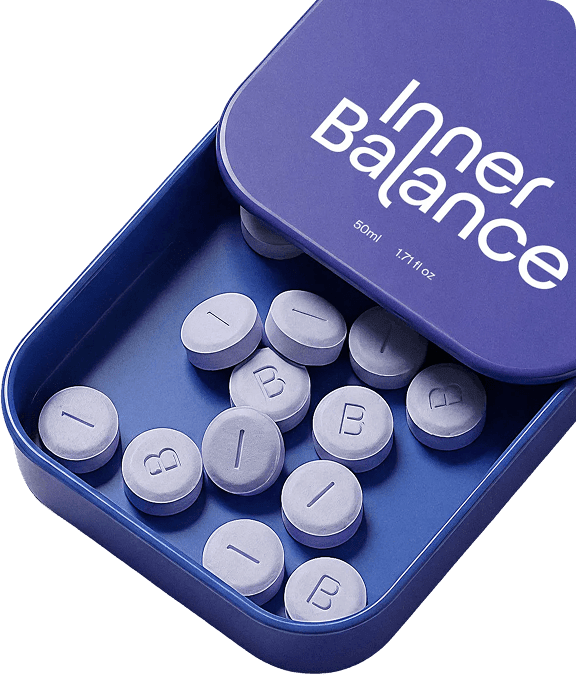
Here’s what the statistics don’t fully capture: some women address their hormone imbalance, feel better in many ways, yet still experience flat desire. Their spark is gone despite optimized hormones. This happens because female desire involves multiple pathways. Hormones provide the foundation, but desire also requires activation of brain circuits governing motivation (dopamine) and emotional connection (oxytocin). When these neurochemical pathways remain underactive, desire stays muted even with proper hormone levels. This is precisely why Libida™ was developed—as a targeted, on-demand solution combining bremelanotide with oxytocin in a convenient sublingual tablet form. Source: Inner Balance
14. The female sexual dysfunction treatment market is growing at 13.62% annually
The market for women’s sexual health solutions is projected to grow from $537 million in 2025 to over $1.6 billion by 2034. This growth reflects increasing recognition that women’s desire concerns deserve medical attention and effective treatment. The expansion includes both hormonal therapies and newer neurochemical approaches that address desire at its source in the brain. Women finally have options beyond being told to “try harder” or “just relax.” Source: Fortune Business Insights
The Path Forward: What Actually Works
15. Vaginal hormone delivery provides superior bioavailability compared to oral options
Vaginal hormone therapy can avoid first-pass liver metabolism seen with oral hormones, and absorption depends on the specific formulation and dose. For many women, localized vaginal delivery is a well-tolerated way to support hormone-related symptoms—often with less systemic exposure than oral options. This is why Oestra™ uses vaginal delivery for bioidentical estradiol and progesterone. Source: NCBI PMC
16. Women using bioidentical vaginal hormone therapy report significant improvements in sex drive
Real-world outcomes matter more than theoretical benefits. Women using Oestra™ report improvement in sex drive and arousal as part of comprehensive symptom relief. Combined with improvement in vaginal dryness and sleep quality, the data shows comprehensive benefits that extend far beyond any single symptom. Addressing hormonal imbalance at its root produces meaningful improvements in desire for most women. Source: Inner Balance
What This Means For You
The statistics are clear: low libido is common, undertreated, and responsive to proper intervention. If you’re experiencing persistent low desire that causes distress, here’s what the data suggests:
Address hormones first. For most women, hormone imbalance is the foundation of desire concerns. Bioidentical hormone therapy like Oestra™ can restore the estrogen, progesterone, and testosterone that support healthy desire, with vaginal delivery providing superior absorption.
Recognize when you need more. If hormones are optimized but desire still feels flat, your brain may need targeted neurochemical support. Libida™ offers on-demand, brain-first desire support combining the spark of bremelanotide with the bonding support of oxytocin.
Don’t accept dismissal. You deserve to be believed by your doctor. If your provider dismisses your concerns, seek specialized care from clinicians who understand women’s sexual health.
Frequently Asked Questions
What are the most common causes of low libido in women?
Hormone imbalance is the most common underlying cause, particularly declining estrogen, progesterone, and testosterone during perimenopause and menopause. Other factors include chronic stress, relationship issues, medications (especially SSRIs), chronic pain conditions, and insufficient stimulation of brain pathways governing desire.
Can hormone therapy alone fix low libido?
For many women, addressing hormone imbalance resolves low desire. However, some women need additional support for the neurochemical pathways governing desire. Libida™ was designed for women whose desire stays flat even after hormones are optimized.
How is Libida™ different from other treatments like Vyleesi or Addyi?
Libida™ is the only product combining bremelanotide with oxytocin, creating a dual-pathway approach that addresses both neurochemical desire AND emotional connection. It’s a sublingual tablet requiring no injection, works on-demand rather than daily, and costs approximately $8 per experience versus $25-130+ for alternatives.
Is Libida™ safe to use with hormone therapy?
Yes. Libida™ is non-hormonal and compatible with any hormonal status. It can be used alongside Oestra™ or other hormone therapies, functioning as a complementary solution that addresses desire at the brain level rather than the hormonal level.
How quickly can I expect results from addressing low libido?
With Oestra™, most women notice improvement in vaginal symptoms within 2-4 weeks, with broader benefits including desire improvement developing over 2-3 months. Libida™ works on-demand, typically within 45-60 minutes before intimacy, with effects potentially lasting 24-72 hours.


