



Evidence-based data on prevalence, treatment options, and the path to restoring desire
Key Takeaways
- You’re not alone — Approximately 1 in 10 women experience HSDD, yet a staggering 95% of U.S. women aren’t even aware it’s a medical condition
- Your symptoms are real and valid — HSDD causes measurable distress, with 64.9% of premenopausal women reporting mental health scores significantly below the general population
- The diagnosis gap is real — 82% of women must initiate the conversation with their doctor, and 44% are initially misdiagnosed with depression or anxiety
- Modern solutions address how women actually experience desire — Treatments like Libida™ now target both the neurochemical spark and emotional connection pathways that shape female arousal
- Hormones are often the foundation — When desire feels flat, hormone imbalance may be the root cause, with bioidentical hormone restoration through Oestra™ providing the baseline your body needs
- Treatment works — FDA-approved active ingredients show 50-60% effectiveness, and dual-pathway approaches combining desire and bonding support offer new hope
- The market is responding — Investment in women’s sexual health solutions is growing at 7.8-14% annually, reflecting long-overdue recognition of this underserved need

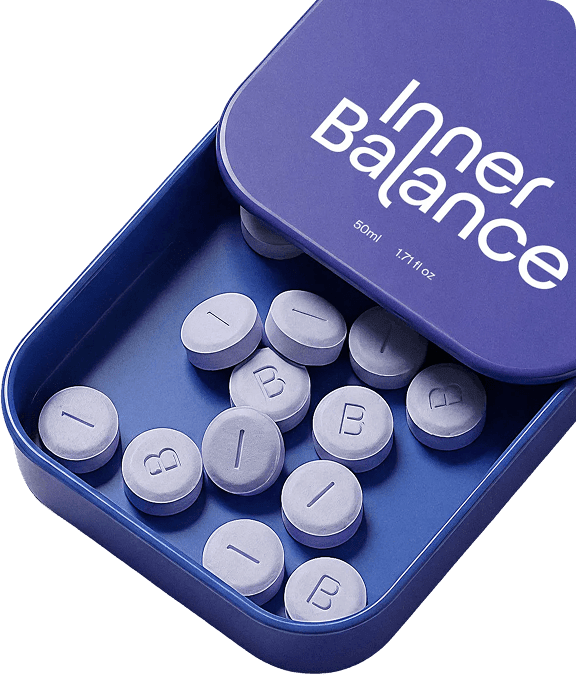

Understanding HSDD: The Scope of the Problem
If you’ve ever felt like your desire simply vanished—like a switch was flipped and you can’t find your way back—you’re far from alone. Hypoactive Sexual Desire Disorder (HSDD) affects millions of women, yet it remains one of the most underdiagnosed and undertreated conditions in women’s health.
HSDD isn’t about having an “off night” or being tired after a long week. It’s characterized by a persistent lack of sexual fantasies and desire for sexual activity that causes marked distress. The key word is distress—this isn’t about meeting someone else’s expectations. It’s about the disconnect between who you are and who you feel you’ve become.
For too long, women have been told their lack of desire is “normal,” “part of aging,” or “just stress.” The data tells a different story. Your symptoms have a name, a biological basis, and—most importantly—effective treatment options, including targeted solutions like Libida™ that address desire at its neurological source.
Prevalence: How Common Is HSDD?
1. HSDD affects approximately 10% of women globally
One in ten women worldwide experiences HSDD, making it one of the most prevalent sexual health conditions. This isn’t a rare disorder—it’s a widespread condition touching every community, age group, and demographic. In the United States alone, approximately 6 million premenopausal women live with persistent low desire and associated distress. Understanding this prevalence validates what many women feel but hesitate to discuss: something real is happening, and it deserves attention. Your experience is shared by millions. Source: Nature Scientific Reports
2. Prevalence peaks at 12.3% in women aged 45-64
The years surrounding perimenopause and menopause show the highest HSDD rates, with 12.3% of women aged 45-64 affected. This timing directly correlates with declining estrogen, progesterone, and testosterone levels. Younger women (18-44) show 8.9% prevalence, while women 65 and older report 7.4%. The midlife peak reinforces that hormone imbalance plays a central role in desire. Addressing the root cause with comprehensive hormone restoration can provide the foundation for improvement. Source: NCBI StatPearls
3. 38.7% of women experience low desire with or without distress
Beyond the 10% with clinical HSDD, nearly 40% of women across all ages report some degree of sexual desire disorder. The distinction between HSDD and general low libido centers on personal distress—but this broader statistic reveals how common desire concerns truly are. Whether or not it meets clinical criteria, if diminished desire is affecting your quality of life or relationships, it warrants attention and support. You don’t have to suffer in silence. Source: NCBI StatPearls
The Awareness and Diagnosis Gap
4. 95% of U.S. women are unaware HSDD is a medical condition
Perhaps the most striking statistic: 95% of women don’t know that persistent low desire with distress has a medical name and treatment options. This awareness gap means millions suffer in silence, assuming their experience is personal failure rather than a treatable condition. This isn’t your fault—it’s a failure of health education and medical communication. Education and open conversation are essential first steps toward getting help. You deserve to know this condition exists and that solutions are available. Source: Fortune Business Insights
5. 82% of women must initiate the conversation with their doctor
When women do seek help, 82% report having to bring up the topic themselves—their healthcare providers rarely ask. This places an unfair burden on women already struggling with an intimate concern. The silence from the medical community reinforces shame and isolation. If your doctor hasn’t asked about your sexual health, know that raising the topic is not only appropriate but necessary for getting the care you deserve. Your concerns are valid and worth discussing. Source: PMC Research
6. 44% of HSDD cases are initially misdiagnosed as depression or anxiety
Nearly half of women with HSDD are first told they have depression or anxiety—conditions that can coexist with low desire but don’t address the core issue. This misdiagnosis delays appropriate treatment by months or years. While mental health absolutely matters, HSDD is a distinct condition requiring targeted intervention. If antidepressants haven’t restored your desire, it may be time to explore HSDD-specific solutions. You deserve accurate diagnosis, not trial-and-error with medications that miss the root cause. Source: PMC Research
7. Women wait an average of 10 months before seeking help
From first noticing symptoms to finally approaching a physician, women wait nearly a full year. Embarrassment, normalization of symptoms, and lack of awareness all contribute to this delay. Then, even after seeking care, an additional 2 months typically passes before diagnosis. This cumulative delay means women lose a year or more to a condition that could be treated much sooner. Don’t wait—your symptoms deserve attention now, not after months of unnecessary suffering. Source: PMC Research
8. 90% of physicians lack confidence diagnosing HSDD
The problem isn’t just patient awareness—90% of physicians report not being confident diagnosing HSDD, and 60% of multispecialty physicians rate their knowledge of female sexual dysfunction as poor or fair. This training gap explains why women bounce between providers without answers. Seeking care from specialists in women’s hormonal health or sexual medicine can dramatically improve your experience. You may need to advocate for referrals to providers with specific expertise in this area. Source: NCBI StatPearls
Quality of Life Impact
9. 64.9% of premenopausal women with HSDD have below-normal mental health scores
HSDD doesn’t stay confined to the bedroom. Nearly two-thirds of premenopausal women with HSDD report mental health component scores significantly lower than the general population. The condition affects self-esteem, mood, and overall psychological wellbeing. Postmenopausal women show 40.7% with below-normal scores—still substantial but highlighting the particular burden on younger women whose expectations of vitality clash with their reality. Your mental health struggles may be directly connected to untreated HSDD. Source: PMC Research
10. Women with HSDD report 50% decrease in sexual activity frequency
Beyond desire itself, HSDD measurably changes behavior. Women report their sexual activity frequency drops by half after symptom onset. This impacts relationships, intimacy, and connection—the very bonds that support overall wellbeing. Restoring desire isn’t just about sex; it’s about reclaiming the closeness and vitality that make life feel full. The behavioral changes reflect how profoundly HSDD affects quality of life beyond the bedroom. Source: PMC Research
11. 27% of divorced women with HSDD cite low desire as the primary cause
When asked about contributing factors to divorce, 27% of women with HSDD identified decreased sexual desire as the primary reason. This statistic underscores the profound relational impact of untreated low desire. Addressing HSDD isn’t about performance or obligation—it’s about preserving connection and intimacy that sustain partnerships. Your relationship difficulties may have a treatable biological cause. Seeking help isn’t just for you; it’s an investment in your relationships. Source: PMC Research
12. 38% of women with HSDD have comorbid depression, 34% have anxiety
The relationship between HSDD and mental health is bidirectional. Over a third of women with HSDD also experience depression or anxiety. Whether these conditions contribute to or result from low desire, comprehensive care must address the whole person. Solutions that target the brain—like Libida™’s combination of bremelanotide for desire and oxytocin for emotional connection—recognize this complexity. Treating one condition without the other rarely provides complete relief. Source: PMC Research
Treatment Landscape
13. Current FDA-approved treatments show 50-60% effectiveness
The two FDA-approved medications for HSDD—flibanserin (Addyi) and bremelanotide (Vyleesi)—demonstrate 50-60% effectiveness in clinical trials. While not universal solutions, these rates represent meaningful relief for millions of women. The active ingredient in Vyleesi—bremelanotide—is the same compound used in Libida™, offered in a convenient sublingual tablet rather than injection. These aren’t placebo responses; they’re measurable improvements in desire, satisfying experiences, and reduced distress. Source: DelveInsight
14. Flibanserin increases satisfying sexual events by 0.69 per month
In clinical trials, women taking flibanserin experienced nearly one additional satisfying sexual event per month compared to placebo—a statistically and personally significant improvement. More importantly, these women reported restored fantasies, improved responsiveness, and reduced distress about their desire levels. While this may seem modest numerically, for women who’ve lost desire entirely, regaining even one meaningful intimate experience monthly represents transformation. The improvement reflects not just frequency but quality and satisfaction. Source: Medicine Journal
15. In a 2018 survey, only 7% of women with HSDD had been prescribed flibanserin
In a survey conducted in 2018, when flibanserin was the only FDA-approved treatment for HSDD, just 7% of women received a prescription. The vast majority were offered lubricants (52%), relaxation techniques (43%), or therapy (39%)—helpful adjuncts but not targeted treatments. This prescription gap reflected both provider unfamiliarity and limitations of existing delivery methods. Solutions like Libida™ now address accessibility with needle-free sublingual delivery, potentially improving treatment adoption rates. Source: PMC Research
16. 68-86.5% of postmenopausal women experience some form of sexual dysfunction
The broader context is striking: up to 86.5% of postmenopausal women experience sexual dysfunction, whether low desire, arousal difficulty, or pain. This near-universal experience during menopause reinforces that hormonal changes are central to sexual health—and that hormone restoration with Oestra™ provides the foundation many women need. Sexual difficulties during and after menopause aren’t inevitable character flaws; they’re biological responses to hormone decline that respond to appropriate treatment. Source: Fortune Business Insights
Market Growth: Recognition Is Coming
17. The HSDD treatment market is valued at $1.24-2.6 billion in 2024
Investment in women’s sexual health has reached unprecedented levels, with the HSDD therapeutics market valued between $1.24 and $2.6 billion depending on scope. This financial recognition signals that HSDD is finally being taken seriously by the healthcare industry after decades of neglect. The investment translates to more research, more treatment options, and greater awareness. Market growth reflects both unmet need and emerging solutions addressing that need. Source: DataIntelo
18. Market projected to grow 7.8-14% annually through 2033
The HSDD treatment market is expected to reach $2.45-4.3 billion by 2032-2033, representing compound annual growth rates of 7.8-14%. This expansion means more research, more options, and more awareness for women seeking solutions. The growing recognition that female desire deserves targeted treatment is reshaping the landscape of women’s healthcare. This isn’t just financial speculation; it reflects genuine clinical need and emerging solutions that work. Source: Verified Market Research
19. North America accounts for nearly 90% of the global HSDD market
With 88.90% market share, North America leads in HSDD treatment availability and adoption. This concentration reflects both greater awareness and regulatory approval of treatments in the U.S. market. For American women, this means more options—and providers like Inner Balance making cutting-edge solutions accessible nationwide. However, the geographic concentration also highlights global disparities in women’s sexual health treatment access that need addressing. Source: Fortune Business Insights
Demographics and Disparities
20. 77% of women with HSDD are premenopausal
Contrary to assumptions that low desire is primarily a menopausal concern, 77% of women in HSDD studies are premenopausal. This underscores that HSDD can strike at any reproductive stage—and that younger women deserve the same attention and treatment access as those in midlife. Whether you’re 28 or 58, your desire matters. HSDD isn’t just a midlife issue; it’s a condition affecting women across their reproductive years. Source: PMC Research
21. Women earning under $20,000 reach menopause 3.6-8.4 months earlier
Socioeconomic factors influence not just treatment access but menopause timing itself. Lower-income women experience earlier menopause—and with it, earlier hormone decline affecting desire. With the average woman spending $1,346 annually on menopause care, economic barriers compound biological ones. Accessible, affordable solutions are essential for equity in women’s health. Your income shouldn’t determine whether you can access treatment for hormone-related conditions. Source: NCBI
What This Means for You
These statistics tell a clear story: HSDD is common, undertreated, and deeply impactful—but solutions exist. If you’ve been struggling with persistent low desire that causes you distress, here’s what the data reveals:
Your experience is valid. You’re among the 10% of women with HSDD and the 40% experiencing some degree of desire concerns. This isn’t personal failure—it’s biology.
You deserve proper diagnosis. If you’ve been told it’s “just stress” or handed an antidepressant without discussion of HSDD, seek a second opinion from a women’s health specialist.
Hormones often matter. The midlife peak in HSDD prevalence points directly to hormone imbalance. Addressing the foundation with bioidentical hormone restoration can create the conditions for desire to return.
Targeted treatments work. Bremelanotide shows measurable improvements in satisfying sexual events, desire, and reduced distress. When delivered as a sublingual tablet—like Libida™—it becomes accessible without injections.
The brain and body work together. The most effective approaches address both the neurochemical spark of desire (via dopamine pathways) and the emotional readiness for intimacy (via oxytocin and bonding). Libida™ is the only product combining both pathways in a single, easy-to-use sublingual tablet.
The Solution: A Dual Approach to Restoring Desire
HSDD rarely has a single cause—and the most effective solutions recognize this complexity. For many women, the path to restored desire involves two complementary strategies:
Foundation: Hormonal Optimization
When estrogen, progesterone, and testosterone decline, desire often follows. Oestra™ delivers bioidentical hormones vaginally for systemic absorption, addressing the hormonal root cause that affects mood, energy, sleep, and libido. With 4x the bioavailability of oral options and 97% of women reporting improvement, it provides the foundation your body needs.
Amplification: Targeted Desire Support
Even with optimized hormones, some women need additional support for desire itself. Libida™ offers the first dual-pathway approach to female desire:
- Bremelanotide activates melanocortin receptors in the brain, boosting dopamine and restoring sexual thoughts, anticipation, and motivation
- Oxytocin may support feelings of closeness and relaxation for some women, which can matter when emotional safety and connection are part of what unlocks desire
This combination—delivered as a tiny sublingual lozenge 45-60 minutes before intimacy—reflects how women’s sexuality actually works: both neurochemical and emotional.
Frequently Asked Questions
What’s the difference between HSDD and normal low libido?
The key distinction is persistent distress. Occasional low desire—during stressful periods, illness, or life transitions—is normal. HSDD involves consistent lack of desire lasting 6+ months that causes personal distress or relationship difficulty. If your absent desire bothers you, it deserves attention.
Can hormonal imbalance cause HSDD?
Absolutely. The peak prevalence in women aged 45-64 directly correlates with perimenopause and menopause, when estrogen, progesterone, and testosterone decline. Hormone restoration with Oestra™ often helps improve desire as part of comprehensive symptom relief.
How does Libida™ compare to other HSDD treatments?
Libida™ contains the same active ingredient (bremelanotide) as the injectable Vyleesi—but in a sublingual tablet, eliminating needles. It’s the only product combining bremelanotide with oxytocin for a dual-pathway approach addressing both desire and connection.
Do I need both Oestra™ and Libida™?
It depends on your situation. Oestra™ addresses foundational hormone imbalance affecting many symptoms including libido. Libida™ provides targeted, on-demand desire support when hormones alone aren’t enough. Many women find them complementary—Oestra™ for daily hormonal balance, Libida™ for moments of intimacy.
Are there non-hormonal options for HSDD?
Yes. Libida™ is non-hormonal and compatible with any hormonal status. It works on brain pathways rather than hormone receptors, making it suitable for women who can’t or choose not to use hormone therapy.


