


If you’ve been told your low libido is “just stress” or “something you’ll have to live with,” you’re not alone—and you’re not imagining it. Low sexual desire is the most common female sexual dysfunction, with studies indicating that up to 40% of women experience it at some point. Yet for decades, women have been dismissed, undertreated, or handed band-aid solutions that never address why desire disappeared in the first place. The truth is, low sex drive rarely has a single cause. Hormone imbalance, brain chemistry, relationship dynamics, stress, and physical factors all play interconnected roles. But here’s what most treatments get wrong: they target one piece of the puzzle while ignoring the others. That’s why so many women cycle through supplements, medications, and lifestyle changes without ever feeling like themselves again. At Inner Balance, we take a different approach. Our physician-led protocols address both the hormonal foundation of desire through Oestra™ and the neurochemical pathways that ignite arousal through Libida™—because women’s sexuality works through multiple systems, and effective treatment should too.
Key Takeaways
- Hormone imbalance is often the root cause of low libido—declining estrogen and progesterone disrupt the entire cascade of desire, arousal, and satisfaction
- Vaginal hormone therapy restores hormonal balance with significantly higher bioavailability than oral pills, addressing vaginal dryness, mood, and desire simultaneously
- Brain-based treatments like Libida™ target the neurochemical pathways where female desire actually originates—filling the gap when hormones alone aren’t enough
- FDA-approved medications exist but come with limitations: daily dosing, alcohol restrictions, or injections that many women find impractical
- Psychological therapies show strong evidence when combined with medical treatment but rarely resolve desire issues alone
- Lifestyle modifications support overall sexual health but cannot restore what hormonal decline has taken away
- A comprehensive approach that addresses hormones, brain chemistry, and physical factors together delivers the most consistent results
1. Inner Balance’s Comprehensive Solution: Hormones + Brain-Based Desire Support
At Inner Balance, we’ve developed a two-pronged approach that addresses both the hormonal foundation of sexual function and the neurochemical pathways that drive desire. This isn’t about managing symptoms—it’s about restoring what’s missing.
Oestra™: The Hormonal Foundation
Low libido rarely exists in isolation. When estrogen and progesterone decline—which begins in the 30s, not at menopause—the ripple effects touch every aspect of sexual function. Vaginal dryness makes intimacy uncomfortable. Mood instability reduces interest. Poor sleep leaves no energy for connection. Treating desire without addressing these underlying hormonal imbalances is like trying to grow a garden without watering the soil.
Our Oestra™ vaginal cream combines bioidentical estradiol and progesterone in a single formulation that delivers what your body actually needs. The vaginal delivery method offers distinct advantages over pills, patches, or topical creams:
- Superior absorption: Vaginal delivery bypasses liver metabolism, delivering hormones directly into systemic circulation
- Steady hormone levels: Sustained release provides consistent coverage without the peaks and valleys of oral hormones
- Comprehensive symptom relief: One product addresses mood, sleep, vaginal health, and libido simultaneously
- Progesterone converts to testosterone: Your body naturally creates testosterone from progesterone, supporting desire without the risks of direct testosterone supplementation
Real Results from Our Patients: Based on our internal data at 6 months:
- 75.3% report improved sex drive and arousal
- 97% experience better vaginal comfort
- 80.2% see sleep improvements
- 78.7% notice enhanced mental health
Clinical trials following women for 5 years using vaginal progesterone with estradiol found cardiovascular benefits and no increased cancer risk—validating the safety of this approach for long-term use.
Libida™: When Desire Needs a Neurochemical Boost
But what about women whose hormones are optimized yet desire still feels flat? This is more common than you’d think. Hormone therapy creates the foundation, but the spark of desire originates in the brain—and that requires a different approach.
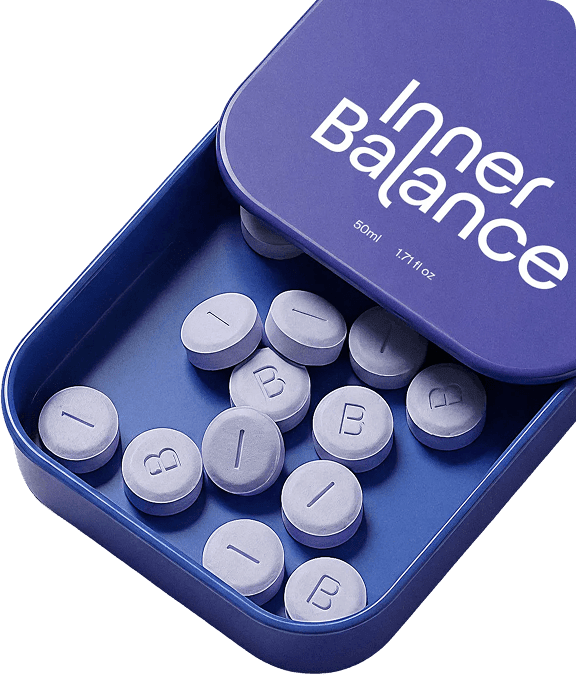
Libida™ is the first women-first libido solution designed specifically for how female desire actually works. It combines two powerful compounds:
- Bremelanotide activates melanocortin receptors (MC4R) in the hypothalamus, boosting dopamine, motivation, sexual thoughts, and arousal
- Oxytocin activates bonding and emotional-safety pathways, supporting connection, closeness, and relaxation into intimacy
This dual-pathway approach addresses what no other product does: both the neurochemical ignition of desire AND the emotional connection that shapes women’s arousal. Male-designed medications never accounted for this—Libida™ was built from the ground up for female sexuality.
How Libida™ Works:
- Tiny sublingual lozenge (no injection needed)
- Take 45-60 minutes before intimacy
- Effects may last 24-72 hours
- Non-hormonal—compatible with any hormonal status
- Contains the same active ingredient as the injectable treatment for desire
Pricing:
- One-time purchase: $249 for 10 tablets
- Subscription: $199/month for 10 tablets
Who It’s Best For: Women whose desire feels muted, disconnected, or missing—especially those who’ve optimized their hormones but still don’t feel the spark. Women who identify with “I love my partner, but I never feel like it” or “my spark is gone.”
Learn more about our hormonal health approach.


2. Lifestyle and Mind-Body Practices: Helpful Foundations
Regular exercise, quality sleep, and stress reduction genuinely support sexual wellbeing. Women who exercise regularly report better mood and sleep, both of which influence desire.
What the Evidence Shows:
- Longer sleep duration correlates with greater sexual desire the next day
- Aerobic exercise improves blood flow and body image
- Stress reduction techniques help manage arousal-blocking anxiety
Why Lifestyle Changes Alone Fall Short:
- Cannot restore declining hormones
- Won’t address neurochemical pathways
- Physical activity actually becomes harder without adequate estrogen
- Results require consistent effort but remain modest for desire specifically
- Best used as complement to medical treatment, not replacement
For women with perimenopause symptoms, lifestyle changes support but cannot substitute for hormonal restoration.
3. Cognitive Behavioral Therapy and Mindfulness: Strong Evidence, Limited Scope
Psychological approaches show surprisingly strong evidence for low desire. Meta-analysis findings demonstrate a large effect size (d=0.91) for CBT in women with low desire, with benefits persisting up to one year.
How These Therapies Help:
- Cognitive restructuring addresses negative thoughts about sexuality
- Mindfulness enhances awareness of physical sensations during intimacy
- Anxiety reduction removes mental barriers to arousal
- Communication training improves relational factors
Digital Options Now Available: The eSense program provides evidence-based CBT and mindfulness through online modules, with gains maintained at 6-month follow-up.
Why Therapy Alone Isn’t Enough:
- Addresses psychological factors but not hormonal deficiency
- Requires 8-12 weeks for full effect
- Best results occur when combined with medical treatment
- Cannot replace what declining hormones have taken away
Our patients often combine therapy with Oestra™ and Libida™ for comprehensive results.
4. Pelvic Floor Physical Therapy: Essential When Pain Is Involved
When low desire stems from painful sex, pelvic floor dysfunction may be the culprit. Systematic reviews show pelvic floor muscle training significantly improves arousal, orgasm, and sexual satisfaction.
What Pelvic Floor PT Addresses:
- Hypertonicity (too-tight muscles causing pain)
- Blood flow to genital area
- Clitoral sensitivity
- Post-partum changes
- Vaginismus and vestibulodynia
Clinical Evidence:
- Significant improvements in overall sexual function scores
- Pain reduction allows return of desire
- Effects require continued home practice
Limitations:
- Only addresses physical barriers, not hormonal or neurochemical factors
- Requires specialist practitioner
- 8-12 weekly sessions needed
- Won’t help if pain isn’t the primary issue
For women with postpartum challenges, pelvic floor PT works best alongside hormone restoration.
5. FDA-Approved Medications: Available But Limited
Two medications have FDA approval specifically for low desire in women—but both come with significant drawbacks.
Flibanserin (Addyi)
- How it works: Daily pill targeting serotonin and dopamine pathways
- Efficacy: Increases satisfying events by approximately 1 per month over placebo
- Major limitation: BLACK BOX WARNING about severe low blood pressure when combined with alcohol
Bremelanotide (Vyleesi)
- How it works: Self-administered injection 45 minutes before intimacy
- Efficacy: Increases desire and reduces distress
- Major limitation: 40% of women experience nausea; requires injection
Why Libida™ Offers Advantages:
- Sublingual tablet—no injection required
- Contains the same active ingredient as the injectable treatment
- Adds oxytocin for emotional connection
- More cost-effective per use
- No alcohol restrictions
6. Testosterone Therapy: Evidence-Based But Incomplete
The Global Consensus Statement recommends testosterone for postmenopausal women with low desire, and research supports its efficacy for improving sexual function.
What Evidence Shows:
- Increases sexual desire, arousal, and orgasm
- Effects seen within 4-6 weeks
- Transdermal delivery preferred over injections
Why Stand-Alone Testosterone Falls Short:
- Doesn’t address estrogen or progesterone deficiency
- Risk of androgenic side effects (acne, hair growth, voice changes)
- Topical forms can convert to DHT, causing unwanted effects
- Oestra’s progesterone naturally converts to testosterone through your body’s own pathways—a gentler approach
- Compounded formulations lack standardization
Our approach prioritizes restoring the upstream hormone (progesterone) and letting your body create what it needs.
7. Dietary and Nutritional Approaches: Supportive But Weak
Phytoestrogens from soy and flax, along with nutrients supporting blood flow, receive attention for sexual health. The Mediterranean diet’s cardiovascular benefits indirectly support arousal capacity.
Nutrients With Some Evidence:
- L-citrulline and L-arginine support nitric oxide production
- Omega-3 fatty acids reduce inflammation
- B vitamins regulate sex hormone function
- Zinc supports hormone production
Why Diet Alone Won’t Restore Desire:
- Phytoestrogens are significantly weaker than bioidentical estradiol
- Absorption depends on individual gut bacteria
- Requires large, consistent intake
- Cannot address neurochemical pathways
- Best viewed as supportive, not therapeutic
8. Advanced Procedures: Limited Evidence, High Cost
Procedures like the O-Shot (platelet-rich plasma injection) and vaginal laser therapy attract attention for sexual rejuvenation, but evidence remains limited.
O-Shot:
- Uses patient’s PRP to stimulate tissue regeneration
- Mostly anecdotal evidence; limited RCTs
- May need annual repeat treatments
Vaginal Laser Therapy:
- Some evidence for vaginal symptoms
- FDA has issued warnings about unproven claims
- Not specifically approved for sexual dysfunction
Why Procedures Rank Lower:
- Limited high-quality research
- High out-of-pocket cost
- Don’t address hormonal or neurochemical factors
- Best considered after evidence-based approaches fail
Why Most Treatments Fall Short
Every alternative on this list attempts to address low desire through a single pathway. Supplements target symptoms. Medications affect one neurotransmitter. Therapy addresses thoughts. Exercise improves circulation. But low libido in women rarely stems from just one source.
The pattern we see repeatedly: women try treatment after treatment, experiencing modest improvement at best, because nothing addresses the full picture. Hormone imbalance creates the foundation—when estrogen and progesterone decline, the entire sexual response cycle suffers. Brain chemistry determines whether desire even registers. Emotional safety shapes willingness to engage.
Effective treatment requires a comprehensive approach. Oestra™ restores the hormonal foundation. Libida™ reignites the neurochemical spark. Together, they address what fragmented treatments cannot.
The Bottom Line
Inner Balance earned the top position because our approach addresses the root cause of low desire rather than managing individual symptoms. Oestra™ provides the hormonal foundation through superior vaginal delivery, while Libida™ offers on-demand neurochemical support for women whose desire needs more than hormones alone.
Other treatments have their place. Psychological therapy enhances results when combined with medical treatment. Lifestyle practices support overall wellbeing. Medications work for some women. But none addresses the interconnected nature of female sexuality as comprehensively as the Inner Balance approach.
If you’ve tried multiple solutions without success, the issue likely isn’t effort—it’s approach. Your symptoms have a root cause, and that cause has a real solution.
Frequently Asked Questions
What makes Inner Balance different from other hormone therapy options?
Unlike oral hormones that lose potency through liver metabolism or topical creams with inconsistent absorption, our Oestra™ uses vaginal delivery to achieve higher bioavailability. Plus, we offer Libida™ for women who need neurochemical support beyond hormones—something no other provider combines in one platform. Our physician-led care adjusts treatment based on your symptoms, not arbitrary lab values.
Why is vaginal delivery better than pills or patches?
Vaginal delivery bypasses the liver entirely, meaning more hormone reaches your bloodstream in its active form. Research confirms this route provides steady hormone levels without the metabolite production that causes side effects with oral hormones. Women using Oestra™ get comprehensive symptom relief from one daily application.
Can I switch from my current hormone provider to Inner Balance?
Absolutely. Many of our patients come to us after incomplete results elsewhere. Our physicians review your history and symptoms to create a personalized protocol. The transition is seamless—we handle prescribing and shipping directly to your door, with ongoing support included.
How do I know which option on this list is right for me?
Start by identifying what’s driving your low desire. If you have other hormonal symptoms (mood changes, poor sleep, vaginal dryness), Oestra™ addresses the foundation. If your hormones feel balanced but desire is still absent, Libida™ targets the neurochemical piece. Many women benefit from both. Our free consultation helps determine the right approach for your specific situation.
What if I’ve tried other options without success?
That’s exactly who we serve. If supplements, lifestyle changes, or even other hormone treatments haven’t worked, it’s likely because they addressed only part of the equation. Our comprehensive approach—combining hormonal restoration with brain-based desire support—reaches women who’ve struggled elsewhere.


