



If your desire feels muted, disconnected, or simply missing—you’re not imagining it, and you’re certainly not alone. Approximately 10% of women experience clinically significant low libido, yet shame keeps most from ever discussing it with their partners. The truth? This is a medically recognized condition with real solutions—and having an honest conversation is the first step toward feeling like yourself again. Inner Balance offers women a comprehensive approach to sexual wellness, from foundational hormone restoration with Oestra™ to targeted desire support with Libida™, their first-of-its-kind dual-action libido solution.
Key Takeaways
- Low libido is common: 26% of premenopausal and up to 52.4% of postmenopausal women experience diminished sexual desire—this isn’t rare or shameful
- Multiple factors contribute: Hormonal shifts, stress, medications, and relationship dynamics all play interconnected roles in female sexual desire
- Conversation reduces guilt: When partners understand libido loss is biological and psychological—not about attraction—shame dissolves and problem-solving begins
- Evidence-based treatments: From bioidentical hormone therapy to brain-acting medications like bremelanotide, women have more options than ever
- Dual-pathway solutions address desire differently: Libida™ combines bremelanotide (dopamine/motivation) with oxytocin (bonding/connection) to support how women’s sexuality actually works


Understanding Low Libido: It’s More Common Than You Think
Beyond “Just Not in the Mood”
Low libido isn’t about occasionally declining intimacy after a long day. Female Sexual Interest/Arousal Disorder (FSIAD) is the DSM-5 diagnosis for persistent, distressing low desire (the term “HSDD” is still commonly used in clinical practice), and symptoms are typically present for six months or longer.
Women with HSDD often describe feeling disconnected from their own sexuality—absent or reduced sexual interest, few sexual thoughts or fantasies, minimal initiation of intimacy, and reduced excitement during sexual activity. This isn’t about loving your partner less. It’s about your brain’s desire pathways not firing the way they once did.
Recent international treatment guidelines mark a turning point: for the first time, consensus exists on how to diagnose and treat low sexual desire in women. Your symptoms have a name, a cause, and a real solution.
Why Women Stay Silent
Despite affecting millions, most women never mention low libido to their partners—or their doctors. Cultural messaging that women should always be “ready” creates impossible expectations. When desire wanes, shame fills the gap. But research confirms HSDD is a biopsychosocial condition—not about attraction to your partner, but about neurotransmitters, hormones, stress responses, and sometimes medications that alter brain chemistry in ways that suppress desire at its source.
Identifying the ‘Why’: What Might Be Muting Your Desire?
The Role of Hormones in Your Sex Drive
Hormone imbalance remains the most overlooked contributor to low libido. Estradiol, progesterone, and testosterone all influence sexual desire—and all decline with age, sometimes starting in your 30s.
Estradiol: supports vaginal tissue health, arousal response, and mood regulation. When levels drop, 40-54% of postmenopausal women experience vaginal dryness that makes sex painful—a powerful desire killer.
Progesterone: calms anxiety, supports sleep, and balances estrogen. Low progesterone creates the mood instability and fatigue that leaves women too depleted for intimacy.
Testosterone: directly drives sexual motivation in women—and naturally declines 50% from peak levels by menopause. Research shows testosterone therapy improves desire in postmenopausal women across multiple clinical trials.
Women experiencing perimenopause symptoms like sleep disruption, brain fog, and mood swings often find libido crashes alongside these changes. The root cause? Hormone imbalance affecting multiple systems simultaneously.
Beyond Hormones: Lifestyle and Emotional Influences
Hormones tell only part of the story. Additional factors include:
- Medications: SSRIs, blood pressure medications, and hormonal contraceptives commonly reduce libido
- Chronic stress: Elevated cortisol suppresses sex hormone production and shifts brain resources away from desire pathways
- Relationship dynamics: Communication patterns, unresolved conflicts, and partner sexual dysfunction all impact desire
- Past experiences: Trauma, negative sexual experiences, or rigid beliefs about sexuality shape current responses
- Body image: How a woman feels in her body profoundly influences her willingness to be intimate
Understanding your personal “why” helps you explain to your partner that this isn’t about them—it’s about complex interactions between your biology, psychology, and circumstances.
Preparing for the Conversation: Setting the Stage for Openness
Self-Reflection Before You Speak
Before talking with your partner, clarify your own experience. Consider these validated clinical questions:
- Was your sexual desire once good and satisfying?
- Has it decreased?
- Does this decrease bother you?
- Would you like your desire to increase?
- What factors might be contributing?
Identifying potential contributors—medications, hormonal symptoms, stress, relationship factors—helps you communicate clearly rather than vaguely saying “something’s wrong.”
Choosing the Right Moment and Environment
This conversation deserves more than a passing mention before bed. Choose a time when you’re both relaxed, without distractions, when intimacy isn’t immediately expected. Neutral settings often work better than the bedroom.
Frame your intention clearly: “I want to talk about something important to me—and to us. Are you in a good headspace for that conversation?”
How to Express Yourself: Guilt-Free Communication Strategies
Leading with “I” Statements
Shame thrives in silence. When you speak, focus on your experience rather than what your partner should do differently:
- “I’ve noticed my desire feels muted lately, and it’s bothering me.”
- “I miss feeling that spark, and I want us to figure this out together.”
- “This isn’t about you or my attraction to you—something’s shifted in my body.”
Avoid phrases that assign blame or trigger defensiveness. Instead of “You make me feel pressured,” try “I feel anxious when I sense expectations around intimacy.”
Educating Your Partner on the Biology
Partners often personalize low libido, interpreting it as rejection or loss of attraction. Share what you’ve learned:
- HSDD is a medically recognized condition affecting approximately 10% of women
- Hormonal changes starting in perimenopause directly impact desire pathways
- Multiple evidence-based treatments exist—this is solvable
When partners understand this is physiological, not personal, guilt lifts and collaboration begins.
Inviting Partnership, Not Performance
End the conversation with a clear invitation: “I’d like us to explore solutions together. Are you willing to support me in this?”
This reframes libido from “your problem” to “our shared health priority”—because relationship quality profoundly influences treatment outcomes.
Beyond the Talk: Exploring Solutions Together
Lifestyle Adjustments That Support Desire
Before—or alongside—medical interventions, certain changes help create conditions where desire can emerge:
- Stress reduction: Chronic cortisol elevation suppresses hormone production and dampens libido pathways
- Sleep optimization: Poor sleep disrupts hormone production essential for desire
- Sensate focus exercises: Structured touch without performance pressure rebuilds body awareness and reduces anxiety
- Communication practice: Regular, non-sexual intimacy maintains connection when desire is low
These changes support—but rarely replace—targeted interventions addressing root causes.
When Hormones Need Restoration
For women whose libido loss coincides with other hormonal symptoms—irregular cycles, sleep disruption, mood changes, vaginal dryness—addressing hormone imbalance often restores desire naturally.
Oestra™ delivers bioidentical estradiol and progesterone vaginally, achieving optimized bioavailability while bypassing liver metabolism. Inner Balance data shows 75.3% of women report improved sex drive and arousal, while 97% experience relief from vaginal dryness—often a prerequisite for comfortable, desirable sex.
But sometimes hormones are optimized and desire still lags. That’s where targeted neurological support becomes essential.
Rediscovering Your Spark: How Libida™ Can Help Restore Desire and Connection
The Science Behind Libida’s Dual-Pathway Approach
Libida™ represents a fundamentally different approach to female libido support. Rather than addressing hormones alone, it targets the brain pathways where desire actually originates.
Bremelanotide activates melanocortin receptors in the hypothalamus—the brain region governing motivation and arousal. Clinical trials show bremelanotide can modestly improve sexual desire and reduce distress related to low desire compared with placebo, with results varying by individual.
Oxytocin supports the emotional dimension of women’s sexuality—bonding, connection, trust, and the sense of safety that allows arousal to unfold naturally. No other libido solution addresses both neurochemical drive and emotional readiness.
This dual-pathway approach reflects how women’s sexuality actually works: desire emerges from the intersection of brain chemistry and emotional connection. Libida™ supports both.
When Libida™ Is the Missing Piece
Some women respond fully to hormone therapy. Others find their hormones balanced but their spark still dim. Libida™ is designed specifically for women whose desire feels muted, disconnected, or missing—even when other factors seem optimized.
If you identify with “my spark is gone” or “I love my partner, but I never feel like it,” Libida™ may be the targeted solution your brain needs. It’s non-hormonal, compatible with any hormonal status, and can be used with or without hormone therapy.
Why Libida™ Stands Out: A Modern Approach to Women’s Sexual Health
Comparing Libida™ to Other Libido Solutions
Vyleesi (injectable bremelanotide): Contains the same ingredient as Libida™, but requires self-injection and can cost around $290 per dose without insurance. Lacks the oxytocin component that supports emotional connection.
Addyi (flibanserin): Requires daily dosing—even on days without planned intimacy—and requires daily bedtime dosing and has strict alcohol timing rules (for example, waiting at least 2 hours after 1–2 drinks, and skipping the dose after 3+ drinks). Works through different brain pathways than bremelanotide.
Other PT-141 providers: Offer bremelanotide via injection or sublingual, but none combine it with oxytocin for dual-pathway support.
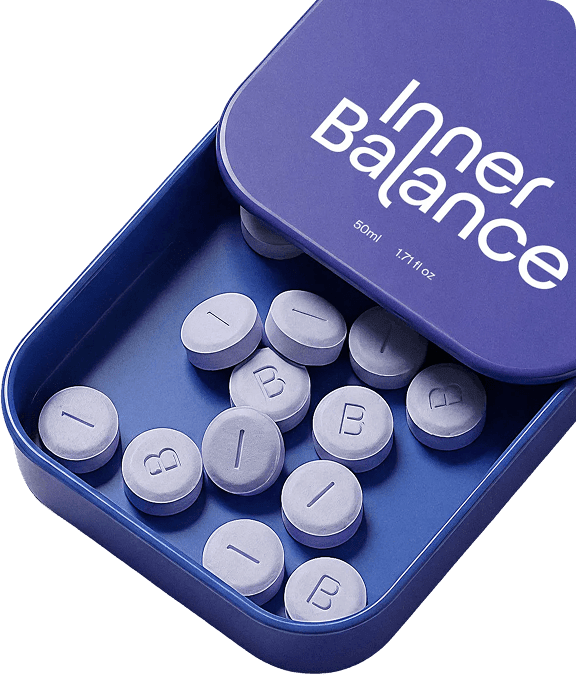
Libida™ is the only product addressing both neurochemical desire (via bremelanotide/dopamine) and bonding pathways (via oxytocin) in a convenient sublingual tablet.
Cost-Effectiveness and Convenience
At approximately $8-$10 per use with subscription pricing, Libida™ offers accessible brain-acting desire support.
How it works: Take a tiny sublingual lozenge approximately 45-60 minutes before anticipated intimacy. Effects may last 24-72 hours, allowing for spontaneity within that window. No needles, no daily commitment, no alcohol restrictions.
Libida™ contains the same active ingredient used in injectable treatments for desire. It’s compounded for off-label use under clinician guidance, combining pharmaceutical-grade efficacy with modern convenience.
Who Can Benefit from Libida™: Is It Right for You?
Understanding the Target Audience
Libida™ is designed for women whose desire feels muted, disconnected, or missing—even those who’ve addressed hormones, stress, and relationship factors. Ideal candidates include:
- Women who identify with “my spark is gone” or “I love my partner, but I never feel like it”
- Women with HSDD or persistent low libido
- Women whose hormones are optimized but desire still feels flat
- Women seeking a non-hormonal, on-demand, brain-first option
Because Libida™ is non-hormonal, it complements foundational hormone restoration. Think of it as the “missing piece” when hormonal balance alone hasn’t fully restored desire.
Important Safety Considerations
Libida™ is not appropriate during pregnancy, breastfeeding, uncontrolled hypertension, or certain cardiovascular conditions. As with any prescription treatment, a clinician consultation ensures Libida™ is safe for your individual health profile.
Common side effects with bremelanotide-containing products include nausea, flushing, and headache—typically mild and time-limited. Unlike daily medications, on-demand use means side effects occur only when you take it.
Next Steps: Partnering with Inner Balance for Your Sexual Wellness
How Inner Balance Supports Your Path Forward
Inner Balance provides telehealth-based hormone therapy and sexual wellness solutions designed specifically for women experiencing hormonal imbalances. Founded by Dr. Sarah Daccarett, MD—board-certified in longevity medicine and licensed in all 50 states—Inner Balance treats thousands of women through a fully remote model.
The process is simple:
- Complete a five-minute online health assessment
- Receive physician approval and prescription
- Have medications shipped directly to your home
- Access unlimited support from a dedicated care team
Whether you need foundational hormone restoration, targeted libido support, or both, Inner Balance offers a comprehensive approach that treats the root cause.
Your Personalized Path to Renewed Intimacy
Your symptoms have a root cause—and a real solution. Low libido isn’t something to suffer through or feel guilty about. With evidence-based treatments and a partner who understands, desire can return.
Start the conversation. Then start treatment. Feel like you again.
Frequently Asked Questions
What’s the best way to start the conversation about low libido with my partner?
Choose a relaxed, private moment away from the bedroom. Lead with “I” statements focusing on your experience: “I’ve noticed something shifted in my body, and I want us to address it together.” Educate your partner that HSDD affects approximately 10% of women and has biological causes—this reduces personalization and opens collaborative problem-solving.
Is low libido common in women, and what are some typical causes?
Very common. Research shows 26% of premenopausal and over 52% of postmenopausal women experience diminished desire. Causes include hormonal shifts (declining estrogen, progesterone, testosterone), medications (especially SSRIs and blood pressure drugs), chronic stress, relationship factors, and past experiences affecting sexuality.
How does Libida™ work differently from other libido treatments?
Libida™ is the only product combining bremelanotide (which boosts dopamine and sexual motivation) with oxytocin (which supports bonding and emotional readiness). This dual-pathway approach addresses both the neurochemical “spark” and the emotional connection that shape women’s arousal—something no other medication offers. It’s also sublingual (no injections) and on-demand (no daily dosing).
Can I use Libida™ if I’m already on hormone therapy?
Yes. Libida™ is non-hormonal and compatible with any hormonal status. Many women use it alongside Oestra™ for comprehensive support—hormones address the foundation while Libida™ provides targeted desire amplification when hormones alone haven’t fully restored the spark.
How quickly can I expect to see results with Libida™?
Libida™ is designed for on-demand use—take it approximately 45-60 minutes before anticipated intimacy. Effects typically last 24-72 hours, allowing for spontaneity within that window. Unlike daily medications requiring weeks to work, Libida™’s effects are noticeable the same day you take it.


