


You’re exhausted by 8 PM, tossing through restless nights, and somewhere along the way, your desire for intimacy simply disappeared. These aren’t separate problems—they share one root cause: hormone imbalance. When your progesterone, estrogen, and testosterone levels decline, both sleep quality and sexual desire crash together. Inner Balance addresses this connection at its source, offering Oestra™ for hormonal restoration and Libida™ for targeted desire support—because fixing one without the other leaves you feeling incomplete.
Key Takeaways
- Sleep and libido share hormonal roots: Declining progesterone, estrogen, and testosterone affect both sleep architecture and sexual desire simultaneously
- Cortisol disruption compounds the problem: Poor sleep raises stress hormones that further suppress sex hormones, creating a downward spiral
- Around 80% of women report improved sleep with bioidentical hormone therapy, while approximately 75% experience better sex drive and arousal
- Progesterone is your brain’s calming hormone: It enhances GABA activity for deeper sleep and reduces anxiety that blocks desire
- Dual solutions work best: Hormonal restoration with Oestra™ addresses the foundation, while Libida™ targets neurochemical desire pathways when hormones alone aren’t enough


The Intimate Connection Between Sleep Deprivation and Low Libido
Understanding Hormonal Disruptions
Sleep and sex drive aren’t coincidentally declining together—they’re biologically intertwined through your hormonal system. During deep sleep, your body produces and regulates the very hormones that govern sexual desire. When sleep suffers, hormone production falters, and when hormones decline, sleep quality worsens.
Progesterone—a critical hormone for sleep and mood—plays a central role in both. It enhances GABA, your brain’s primary calming neurotransmitter, helping you fall asleep and stay asleep. Simultaneously, progesterone supports the mood stability and reduced anxiety that allow sexual interest to flourish. When progesterone drops during perimenopause, both systems crash.
Estradiol contributes equally. Research shows estrogen regulates serotonin and dopamine pathways that control both sleep cycles and sexual motivation. The vaginal delivery of hormones allows direct absorption into systemic circulation, which explains why women using vaginal bioidentical hormones report improvements in both sleep and desire.
The Role of Stress and Fatigue
When you’re sleep-deprived, your body interprets this as stress—triggering cortisol release that directly suppresses testosterone and estrogen production. This creates a vicious cycle: poor sleep raises cortisol, high cortisol lowers sex hormones, low sex hormones worsen sleep quality.
Clinical evidence shows vaginal progesterone can produce measurable progesterone levels in the bloodstream over time. In practice, this route may be used to support symptom control for some women, with dosing individualized by a clinician.
The fatigue factor compounds everything. When you’re exhausted, your brain prioritizes survival over reproduction. Sexual interest requires energy reserves your body simply doesn’t have when running on sleep debt. This isn’t lack of attraction or relationship problems—it’s biology responding to perceived threat.
Melatonin, Cortisol, and Hormonal Rhythms: Impact on Sexual Health
Your body operates on a circadian rhythm that orchestrates hormone release throughout the day. Melatonin rises in darkness, signaling sleep. Cortisol peaks in the morning, promoting wakefulness. Sex hormones follow their own patterns, with testosterone typically highest in morning hours.
When this rhythm breaks down—through poor sleep, irregular schedules, or declining hormone production—every system suffers. The hypothalamic-pituitary axis that governs these rhythms becomes dysregulated, affecting both reproductive function and sleep architecture.
Women in perimenopause and menopause often experience this disruption acutely. FSH rises as ovarian function declines, creating erratic estrogen spikes followed by crashes. These fluctuations fragment sleep and make desire unpredictable—one day feeling interested, the next feeling nothing.
Understanding this cascade reveals why treating symptoms separately fails. Taking a sleep aid doesn’t address the hormonal imbalance causing insomnia. Using lubricants doesn’t restore the desire that precedes arousal. The Menopause Society notes hormone therapy is the most effective treatment for vasomotor symptoms and genitourinary syndrome of menopause—and when nighttime hot flashes/night sweats improve, sleep often improves too by reducing awakenings.
When progesterone and estradiol are restored to optimal levels, the cascade reverses. Cortisol normalizes. Sleep architecture improves. Energy returns. And with energy comes the capacity for desire.
Identifying Sleep Issues: Are You Getting Enough Quality Rest?
Before addressing sleep problems, you need to recognize them. Many women have adapted to poor sleep, accepting exhaustion as normal. These signs indicate your sleep quality needs attention:
- Waking between 2-4 AM and struggling to fall back asleep
- Needing more than 20 minutes to fall asleep initially
- Feeling unrested despite 7+ hours in bed
- Night sweats disrupting sleep multiple times weekly
- Racing thoughts or anxiety at bedtime
- Daytime fatigue requiring caffeine to function
- Brain fog and difficulty concentrating
If three or more describe your experience, hormone-related sleep disruption likely contributes to your low libido.
Track your sleep patterns for one week, noting bedtime, wake time, nighttime awakenings, and morning energy levels. Rate your daytime alertness on a 1-10 scale. Also track sexual interest—do you notice any desire, or has it disappeared entirely?
Women often find that nights with better sleep correlate with slightly higher interest the following day. This pattern suggests hormonal sleep support could restore both. Research confirms that women using bioidentical hormone therapy show improved sleep markers alongside other symptom relief.
Lifestyle Adjustments to Boost Sleep Quality and Libido
Tip 1: Optimize Your Sleep Environment
Your bedroom should signal rest, not stimulation. Keep temperatures between 65-68°F—cooler environments support deeper sleep phases where hormone regulation occurs. Use blackout curtains to eliminate light pollution that disrupts melatonin production.
Remove electronics from your bedroom entirely. The blue light from phones suppresses melatonin, while the mental stimulation of scrolling prevents the relaxation needed for desire. Create a charging station in another room and use an analog alarm clock.
Tip 2: Nutrition and Activity for Better Sleep and Desire
What you eat directly affects hormone production. Prioritize foods supporting progesterone synthesis:
- Vitamin B6-rich options like chickpeas, salmon, and potatoes
- Zinc sources like pumpkin seeds and beef
- Magnesium from leafy greens and dark chocolate
Avoid alcohol within three hours of bedtime. While it may help you fall asleep, alcohol fragments sleep architecture and suppresses REM—the phase where emotional processing and hormonal regulation occur.
Exercise timing matters. Morning or early afternoon activity promotes better nighttime sleep and supports testosterone production. Late evening intense workouts can elevate cortisol, making sleep elusive. Aim for completion at least four hours before bedtime.
Tip 3: Establish Consistent Sleep-Wake Timing
Your circadian rhythm craves consistency. Going to bed and waking at the same time—even weekends—reinforces hormonal patterns that support both sleep and desire. Irregular schedules confuse your hypothalamus, leading to erratic hormone release.
Create a 30-minute wind-down routine signaling sleep is coming. Dim lights, avoid screens, practice gentle stretching or reading. This transition period allows cortisol to drop and melatonin to rise naturally.
If you’re experiencing perimenopausal symptoms disrupting this routine—night sweats, racing heart, anxiety—hormonal support may be necessary beyond lifestyle changes alone.
Tip 4: Address Stress Through Targeted Practices
Chronic stress keeps cortisol elevated, directly suppressing both sleep and sexual hormones. Simple stress-reduction practices create measurable hormonal shifts.
Deep breathing for five minutes before bed activates your parasympathetic nervous system, lowering cortisol and promoting progesterone’s calming effects. Box breathing—inhale four counts, hold four, exhale four, hold four—works particularly well.
Mindfulness practices reduce the mental rumination that prevents sleep and blocks sexual response. Even ten minutes daily shows benefits.
Tip 5: Consider Your Hormonal Foundation
When lifestyle changes aren’t enough—and for many women in their 30s and beyond, they won’t be—addressing the hormonal root cause becomes essential.
Vaginal progesterone offers advantages that directly support both sleep and desire. Unlike oral hormones that create sedating metabolites through liver processing, vaginal progesterone provides calming benefits without next-day grogginess. Women report falling asleep more easily, staying asleep longer, and waking refreshed—with energy available for desire.
Understanding Hormonal Imbalances and Their Role in Low Desire
When Hormones Are the Missing Piece
You’ve tried everything—sleep hygiene, supplements, couples therapy—yet exhaustion and absent desire persist. This pattern strongly suggests hormonal imbalance as the underlying cause.
Progesterone decline begins years before menopause, often in your late 30s. This critical hormone affects every system: brain chemistry, sleep cycles, mood stability, and yes, sexual interest. When progesterone drops, anxiety rises, sleep fragments, and desire disappears.
Research demonstrates that restoring progesterone to optimal levels improves multiple symptoms simultaneously. Inner Balance data shows around 80% of women experience better sleep while approximately 75% report improved sex drive—because both stem from the same hormonal foundation.
Symptoms Beyond Sleep Disruption
Hormone imbalance rarely affects just one area. If you’re experiencing sleep problems alongside low libido, you likely also notice:
- Brain fog and difficulty concentrating
- Mood swings or increased anxiety
- Weight gain, especially around your midsection
- Vaginal dryness affecting comfort and interest
- Skin changes—dryness, thinning, loss of elasticity
- Energy crashes, particularly afternoon fatigue
- Heavy or irregular periods (if still cycling)
This cluster of symptoms points to systemic hormonal decline requiring systemic support. Oestra™ addresses this through bioidentical estradiol and progesterone delivered vaginally for improved absorption—the majority of women report improvement in vaginal dryness, with cascading benefits for sleep and desire.
Targeted Support for Rekindling Your Spark: Beyond Hormones
Sometimes hormones are optimized, yet desire remains flat. You’re sleeping better, energy has returned, your mood has stabilized—but sexual interest hasn’t followed. This disconnect points to neurochemical factors beyond hormonal balance.
Female desire originates in the brain, not the body. It requires activation of specific pathways: dopamine for motivation and wanting, oxytocin for emotional safety and connection. When these pathways remain dormant despite hormonal restoration, targeted support becomes necessary.
This isn’t failure of hormone therapy—it’s recognition that desire has multiple components. The hormonal foundation matters enormously, but the neurochemical spark sometimes needs direct activation.
Women describe this experience as: “I feel better than I have in years, but I still don’t think about sex.” Or: “I love my partner, I’m attracted to them logically, but the feeling just isn’t there.”
This pattern—improved overall wellbeing without restored desire—indicates the brain’s desire circuitry needs specific support. Libida™ addresses exactly this gap, working on brain pathways that govern sexual motivation and emotional readiness for intimacy.
Introducing Libida™: A Dual-Pathway Approach to Women’s Desire
Libida™ represents the first women-first libido solution combining two active components that work synergistically on female desire pathways.
Bremelanotide activates melanocortin receptors in the hypothalamus—the brain region governing motivation and reward. This activation boosts dopamine, creating the “wanting” feeling that precedes sexual interest. Women experience increased sexual thoughts, anticipation, and responsiveness to arousal cues.
Oxytocin activates bonding and emotional-safety pathways, supporting the connection, closeness, and relational warmth that female sexuality requires. Unlike male-designed medications that ignore emotional components, Libida™ recognizes that women’s desire involves both neurochemical spark and emotional readiness.
Together, these pathways address desire comprehensively—the motivation to pursue intimacy and the emotional openness to receive it.
Libida™ contains the same active ingredient used in the injectable treatment for desire, compounded for off-label use under clinician guidance. The bremelanotide component is approved in its injectable form for premenopausal women with hypoactive sexual desire disorder.
What makes Libida™ unique: no other product combines bremelanotide with oxytocin. The dual-pathway approach reflects how women’s sexuality actually works—desire isn’t purely physical or purely emotional; it’s both.
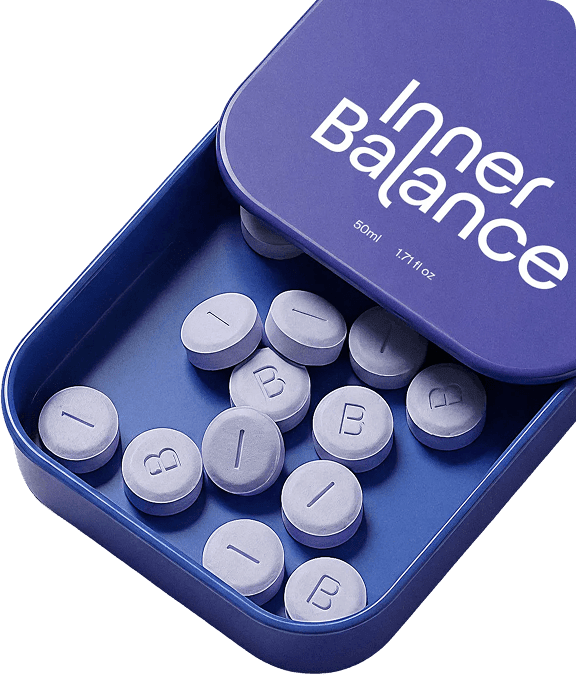
Sublingual delivery eliminates injection barriers. A tiny lozenge dissolves under your tongue, absorbing directly into your bloodstream without needles, discomfort, or medical-feeling experiences.
Is Libida™ Right for You? Understanding Its Benefits and Usage
Libida™ works best for women whose desire feels muted, disconnected, or missing—particularly those who identify with:
- “My spark is gone”
- “I love my partner, but I never feel like it”
- “Hormones helped everything except my libido”
- “I want to want sex, but the feeling isn’t there”
Women who haven’t fully responded to hormone therapy alone often find Libida™ provides the missing piece. It’s also appropriate for women seeking a non-hormonal, on-demand option—Libida™ is compatible with any hormonal status and can be used with or without Oestra™.
Using Libida™ is straightforward: place the sublingual lozenge under your tongue approximately 45-60 minutes before desired intimacy. Effects may last 24-72 hours, meaning one dose can support multiple intimate experiences over several days.
Pricing makes Libida™ accessible: starting around $199 monthly for 10 tablets on subscription, or approximately $249 for one-time purchase. This works out to roughly $8-$10 per experience—significantly less than competitor injections.
Libida™ is not appropriate during pregnancy, breastfeeding, uncontrolled hypertension, or certain cardiovascular conditions. Your Inner Balance provider can determine if Libida™ fits your health profile.
Addressing Other Hormonal Factors for Complete Wellness
For many women, the complete solution involves both hormonal restoration and targeted desire support. Oestra™ creates the foundation: bioidentical estradiol and progesterone delivered vaginally for enhanced bioavailability compared to oral alternatives.
This foundation addresses sleep directly—progesterone’s GABA enhancement promotes deeper, more restorative sleep without sedating side effects. It addresses desire indirectly—balanced hormones support the mood, energy, and physical comfort that allow sexual interest to emerge.
The ELITE trial demonstrated that women using estradiol plus vaginal progesterone showed improved cardiovascular markers and no increased cancer risk over five years—proving long-term safety alongside effectiveness.
Hormonal decline affects your entire body, including visible signs. BodyMatched™ Anti-Aging Cream addresses hormonally aging skin with bioidentical estriol and clinically proven anti-aging compounds.
The complete Inner Balance ecosystem—Oestra™ for internal hormone balance, Libida™ for desire activation, and BodyMatched™ for external vitality—addresses hormone imbalance comprehensively, inside and out.
Frequently Asked Questions
Can improving sleep alone fix low libido?
For some women, yes—particularly if sleep deprivation is the primary driver. However, most women experiencing both poor sleep and low libido in their 30s and beyond have underlying hormone imbalance causing both symptoms. Improving sleep hygiene helps but rarely resolves the root cause. Bioidentical hormone therapy addresses both symptoms simultaneously: data shows around 80% of women report better sleep while approximately 75% experience improved desire.
What are the signs that my low libido might be hormone-related?
If low desire appears alongside other symptoms—poor sleep, brain fog, mood changes, fatigue, weight gain, vaginal dryness, irregular periods—hormone imbalance is likely involved. Age matters too: hormone decline begins in the mid-30s, years before menopause. If lifestyle changes haven’t restored your desire, and particularly if you’re also experiencing perimenopause symptoms, hormonal evaluation and support may be necessary.
How is Libida™ different from other libido solutions for women?
Libida™ is the only product combining bremelanotide (for neurochemical desire) with oxytocin (for emotional connection)—addressing both pathways that govern female sexuality. Unlike competitors requiring injection, Libida™ uses a sublingual tablet. It’s also more cost-effective at approximately $8-$10 per experience compared to $25-$130+ for injectable alternatives. The dual-pathway approach reflects how women’s desire actually works: both motivation and emotional readiness matter.
Can I use Libida™ if I’m already using hormone replacement therapy like Oestra™?
Yes—Libida™ is designed to complement hormone therapy, not replace it. Many women find that Oestra™ improves sleep, energy, and mood while Libida™ provides the additional neurochemical spark their desire needs. Libida™ is non-hormonal and compatible with any hormonal status. Think of it as the targeted solution for desire specifically, while Oestra™ addresses the broader hormonal foundation affecting your entire body.
Who can benefit most from using Libida™?
Libida™ works best for women whose desire feels muted, disconnected, or missing—particularly those who identify with “My spark is gone,” “I love my partner but never feel like it,” or “Hormones helped everything except libido.” Women who haven’t fully responded to hormone therapy alone often find Libida™ provides the missing piece. It’s also appropriate for women seeking a non-hormonal, on-demand option compatible with any hormonal status.


