


If you’re wondering when your sex drive will return after having a baby, you’re not alone. Sexual dysfunction is common after childbirth, with studies showing prevalence rates from 41-83% in the postpartum period—and the cause isn’t just exhaustion or stress. Your body has undergone a dramatic hormonal shift, with estrogen, progesterone, and testosterone plummeting while prolactin surges. For women who aren’t breastfeeding, bioidentical hormone therapy like Oestra™ can restore hormonal balance when levels should have normalized but haven’t. And for those whose hormones are addressed but desire still feels flat, Libida™ targets the neurochemical pathways that spark sexual motivation and emotional connection—addressing desire at its source.
Key Takeaways
- Postpartum libido decline is the norm: Reviews report postpartum sexual dysfunction rates ranging from about 41% to 83% at 2–3 months postpartum, and symptoms can persist for months for some women
- Hormonal shifts are the primary driver: Dramatic drops in estrogen, progesterone, and testosterone combined with elevated prolactin (especially during breastfeeding) directly suppress sexual desire
- Recovery timelines vary dramatically: Non-breastfeeding women’s hormones normalize within 4-6 weeks, while nursing mothers may experience suppressed libido for the entire breastfeeding duration
- Mental health matters as much as hormones: In a clinical trial of postpartum women treated for depression, sexual concerns improved over time, with larger improvements among women whose depression symptoms remitted.
- Desire often shifts from spontaneous to responsive: Arousal developing after intimacy begins rather than before is a normal physiological adaptation, not dysfunction
- Partner support directly impacts sexual function: Women with supportive partners scored twice as high on sexual function assessments


Understanding Postpartum Libido: Why Does Desire Change?
You’re six weeks postpartum and medically “cleared” for sex, yet the thought of intimacy feels impossible. Your doctor says everything is fine, but you know something has fundamentally changed. That disconnect isn’t in your head—it’s rooted in profound biological shifts.
Research shows 64% of women still experience sexual dysfunction at six months postpartum. Pain with sex is common after childbirth and can linger; in a large prospective cohort study, about 1 in 4 women reported dyspareunia at 18 months postpartum. These aren’t isolated complaints—they’re the statistical reality of postpartum sexuality.
The reasons are complex and interconnected:
- Hormonal fluctuations
- Physical recovery from childbirth
- Sleep deprivation
- Body image changes
- Relationship dynamics
- Mental health challenges
For many women, the hormonal component remains the most significant—and the most overlooked by conventional medicine.
Hormonal Rollercoaster: How Postpartum Hormones Impact Your Sex Drive
The Estrogen Crash
After delivery, your estrogen levels plummet from pregnancy highs to near-menopausal lows almost overnight. This dramatic drop affects:
- Mood, energy, and cognitive function
- Vaginal tissue health
- Natural lubrication
- Physical comfort during sex
For breastfeeding mothers, estrogen remains suppressed for at least six months and often throughout the entire nursing period. Studies show women actively breastfeeding score significantly lower on sexual function assessments (M=18.3) compared to those who chose not to breastfeed (M=26.0).
Non-breastfeeding women typically see hormone levels normalize within 4-6 weeks. Yet many continue experiencing symptoms months later—a sign that hormonal balance hasn’t truly been restored. This is where targeted hormone replacement therapy becomes essential.
Prolactin’s Double-Edged Effect
Prolactin, the hormone responsible for milk production, creates a unique challenge. While essential for breastfeeding, prolactin actively suppresses sexual desire by counteracting dopamine—the neurotransmitter that drives motivation, pleasure, and arousal. Prolactin levels rise with nursing and typically peak about 30–45 minutes after feeding begins, creating cyclical suppression throughout the day for nursing mothers.
This isn’t a design flaw; it’s biology prioritizing infant survival over sexual reproduction. Understanding this mechanism helps normalize the experience and recognize when intervention might help.
The Progesterone and Testosterone Drop
Progesterone drops precipitously after the placenta is delivered, affecting:
- Sleep quality
- Mood stability
- Anxiety levels
- Metabolic function
Testosterone, though present in smaller amounts in women, also declines postpartum. This hormone influences sexual desire, assertiveness, energy, and physical sensation. The combination creates a perfect storm for diminished sexual interest.
Breastfeeding vs. Non-Breastfeeding: Different Timelines
The distinction matters tremendously for recovery timelines. Non-breastfeeding women should see hormone levels normalize by 6-8 weeks postpartum. If symptoms persist beyond this point—ongoing low libido, vaginal dryness, mood instability—it signals your hormones haven’t balanced.
Oestra™ uses vaginal delivery of bioidentical estradiol and progesterone, bypassing liver metabolism for superior absorption. User surveys show around 75% report improvements in sex drive and arousal, with approximately 97% experiencing improved vaginal dryness.
Breastfeeding mothers face a different reality. As long as you’re nursing—whether six months or two years—your hormones will remain in a state designed to suppress ovulation and prioritize milk production.
Beyond Hormones: The Full Picture of Postpartum Desire
Sleep Deprivation and Physical Exhaustion
Your body is running on empty. Research shows sleeping one additional hour increases the likelihood of sex the next day by 14%. When you’re struggling to stay awake during the day, sexual desire naturally takes a back seat.
Body Image and Physical Changes
Your body has transformed—stretched skin, weight retention, C-section scars, or episiotomy healing all affect how you feel. Nearly 60% of women experience diastasis recti at six weeks postpartum. The good news: mode of delivery has no significant long-term effect on sexual function.
The Mental Health Connection
The relationship between postpartum depression and sexual dysfunction is powerful. In one study, 73% of depressed postpartum women reported three or more sexual concerns at baseline. After treatment, women whose depression remitted were significantly more likely to have fewer sexual concerns (76% vs. 24%).
This finding emphasizes a crucial point: treating depression isn’t secondary to addressing sexual function—it’s often the primary intervention needed.
Partner Dynamics and Household Equity
The quality of your partnership profoundly impacts sexual function. Research shows women with completely supportive partners scored 21.9 on sexual function assessments compared to 10.2 for those with unsupportive partners—more than twice as high.
Equitable division of childcare, emotional support, patience with recovery timelines, and open communication all contribute to an environment where desire can return.
The “Touched Out” Phenomenon
Many new mothers describe feeling “touched out”—a state of sensory overwhelm from constant physical demands. By day’s end, additional touch feels unbearable rather than pleasurable. This reflects the nervous system overwhelm, not lack of love for your partner.
When to Expect Your Sex Drive to Return After Childbirth
The question everyone asks has no single answer. While 89% of women resume sexual activity within six months postpartum, resuming sex and genuinely desiring it are different experiences.
For non-breastfeeding women, physical healing typically occurs within 6-8 weeks. Hormonal normalization should follow a similar timeline. If you’re several months postpartum, not nursing, and still experiencing low libido with vaginal dryness or energy depletion, your hormones likely haven’t rebalanced.
Breastfeeding mothers face extended timelines. Sexual function typically remains suppressed as long as nursing continues. Many women report desire returning gradually during weaning. About 36% of mothers are still breastfeeding at 12 months.
Understanding Responsive vs. Spontaneous Desire
A critical reframe comes from understanding how desire works. Pre-pregnancy, you may have experienced spontaneous desire—feeling “in the mood” seemingly out of nowhere. Postpartum, desire often becomes responsive.
As sexologist Naomi Hutchings explains, responsive desire means arousal develops after physical intimacy begins, not before. “You can decide when you’re going to have sex…starting from a non-aroused state. Then you do the things that get you horny, then your desire happens.”
This isn’t dysfunction—it’s a normal adaptation. Many women find enormous relief in understanding they’re not “broken” for rarely feeling spontaneously aroused postpartum.
Practical Strategies for Rekindling Intimacy
Communication is Foundation
Dr. Jacqueline Zuponcic emphasizes that “sexual desire in women” is determined by bio-psycho-social factors—hormones and fatigue, psychological factors like mood, and social elements like your role as a parent. When your doctor clears you physically, “that doesn’t mean you’re necessarily ready-ready for sex.”
Open dialogue with your partner removes pressure and creates space for gradual reconnection.
Redefining Sex Beyond Penetration
Expanding your definition of sexual intimacy reduces performance pressure:
- Non-penetrative activities
- Sensual touch without expectation
- Verbal intimacy and emotional connection
- Shared pleasure exploration
Prioritizing Sleep and Self-Care
Remember that one additional hour of sleep increases the likelihood of sex by 14%. When you’re depleted, desire disappears. Practical self-care—naps, asking for help, protecting rest time—isn’t selfish. It’s essential for sexual wellness.
Addressing Physical Discomfort
High-quality lubricants, extended foreplay, and pelvic floor physical therapy can all help. For persistent pain, professional evaluation is crucial. Pain signals a problem that needs addressing, not something to “push through.”
When Hormones Need Support: Solutions That Work
For non-breastfeeding women experiencing persistent symptoms months after delivery, hormone restoration can be transformative. Your body should have rebalanced by now—if it hasn’t, that’s a sign of hormone imbalance requiring support.
Why Vaginal Delivery Makes a Difference
Vaginal hormone delivery offers distinct advantages:
- Direct bloodstream access without liver metabolism
- Hormones bypass digestive breakdown
- Higher bioavailability with lower doses
- More stable blood levels
- Fewer side effects
Research comparing oral versus vaginal progesterone shows vaginal delivery provides more consistent blood levels. For estradiol, vaginal administration delivers about 70% as active unconjugated estrogen compared to only 35% with oral dosing.
Oestra™: Comprehensive Hormonal Restoration
Inner Balance’s Oestra™ combines bioidentical estradiol and progesterone in a vaginal formulation designed for systemic hormone restoration. This addresses whole-body hormone imbalance affecting mood, sleep, energy, metabolism, and libido.
User surveys show significant improvements:
- Around 97% report improved dryness
- Approximately 75% experience better sex drive
- Around 80% report better sleep
- Roughly 79% notice improved mental health
- About 68% have less brain fog
The first uterine pass effect means vaginal progesterone delivers high concentrations directly to endometrial tissue, protecting the uterine lining while providing systemic benefits.
Long-term safety data from the ELITE trial showed five years of oral estradiol with vaginal progesterone produced no increased cancer risk while demonstrating improved cardiovascular markers.
Targeting Desire: When Hormones Aren’t Enough
For some women, addressing hormonal balance resolves most symptoms—but libido remains elusive. Your estrogen and progesterone are optimized, you’re sleeping better, mood is stable, yet that spark of desire still feels missing. This is where neurochemical support becomes essential.
Understanding the Desire Disconnect
Sexual desire originates in the brain, not the reproductive organs. It involves:
- Dopamine (motivation and reward)
- Oxytocin (bonding and connection)
- Melanocortin receptors (arousal)
- Emotional safety pathways
When these neurochemical systems aren’t firing properly, hormone restoration alone may not fully restore desire.
Libida™: A Dual-Pathway Approach
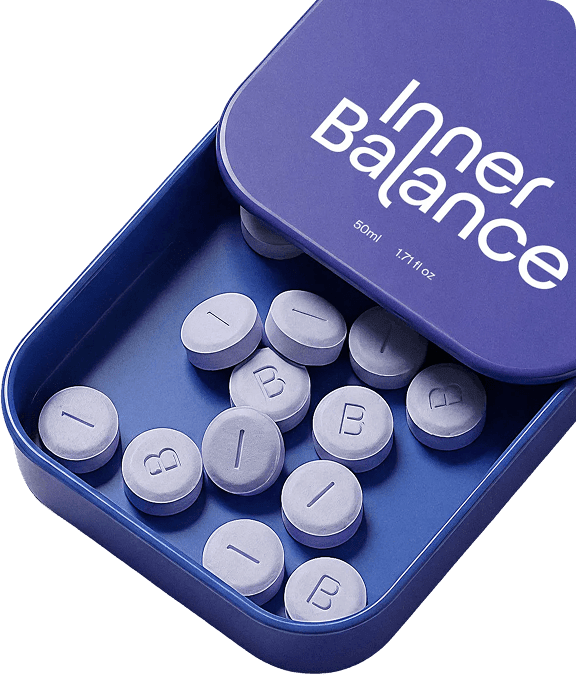
Libida™ represents the first women-first libido solution combining bremelanotide and oxytocin—addressing both the neurochemical spark of desire and the emotional connection that shapes women’s arousal.
How Libida™ Works:
Bremelanotide activates melanocortin receptors in the hypothalamus, the brain’s desire center. This boosts dopamine pathways, enhancing motivation, sexual thoughts, anticipation, and arousal. It contains the same active ingredient used in Vyleesi.
Oxytocin activates bonding and emotional-safety pathways crucial for women’s sexuality. Together, these mechanisms address both the neurochemical desire spark and the emotional connection that research shows matters profoundly for women’s sexual function.
Practical Use:
Libida™ is taken on-demand as a sublingual tablet approximately 45-60 minutes before intimacy. Effects may last 24-72 hours, and it’s compatible with any hormonal status. At an estimated $8-10 per use, it offers the added benefit of oxytocin that alternatives don’t provide.
Who Benefits from Libida™
Consider Libida™ if you:
- Have addressed hormones but desire feels muted
- Identify with “my spark is gone”
- Want an on-demand, non-hormonal solution
- Experience persistent low libido
- Prefer a brain-first approach
When to Seek Professional Guidance for Low Libido
While low libido is common postpartum, certain signs indicate you’d benefit from professional support:
- Symptoms persist beyond 6 months postpartum (if not breastfeeding)
- Significant distress about lack of desire
- Relationship strain developing due to sexual disconnect
- Suspected postpartum depression or anxiety
- Physical pain makes sex impossible
- Multiple strategies haven’t helped
Inner Balance offers comprehensive hormone assessment and personalized treatment plans. The approach focuses on symptoms, not just lab values, recognizing that standard reference ranges often miss hormone imbalances.
Frequently Asked Questions
Is it normal to have no sex drive for months after having a baby?
Yes, extended low libido is statistically normal—particularly if you’re breastfeeding. Research shows sexual dysfunction affects 41-83% of women in the postpartum period and 64% at six months. For breastfeeding mothers, suppressed libido can persist for the entire nursing duration due to elevated prolactin and low estrogen. However, if symptoms cause distress, hormone therapy or other interventions can help.
Can I use hormone therapy if I’m still breastfeeding?
Oestra™ is generally recommended for women who are not breastfeeding, as nursing mothers experience naturally suppressed hormones by design. For severe vaginal dryness, low-dose local estrogen may occasionally be appropriate under physician guidance, but systemic hormone therapy typically isn’t indicated until after weaning.
How is Libida™ different from waiting for hormones to balance?
Libida™ addresses desire through neurochemical pathways in the brain—specifically dopamine and oxytocin—rather than reproductive hormones. Some women find that even when hormones are optimized, desire still feels flat because the brain’s desire circuitry needs support. It can be used with or without Oestra™ as it works through complementary mechanisms.
Will my sex drive return to pre-pregnancy levels?
Your sexuality may not return to exactly what it was pre-pregnancy, but that doesn’t mean it won’t be fulfilling. Understanding responsive desire often helps more than waiting for spontaneous desire. With appropriate hormone support when needed, mental health care, and time, most women develop a satisfying sexual life postpartum. Studies show 89% of women resume sexual activity within six months.
What should I do if sex is still painful months after delivery?
Persistent pain needs professional evaluation. Common causes include inadequate lubrication from low estrogen, pelvic floor muscle tension, or scar tissue. Start with your OB/GYN or a pelvic floor physical therapist. For hormonal causes, vaginal estrogen therapy often helps significantly. Pain during sex signals a problem requiring attention, and effective treatments exist.


