





Your libido has vanished, your workouts aren’t building muscle like they used to, and that mental sharpness you once had feels like a distant memory. You’ve tried everything—more protein, harder workouts, expensive supplements—but nothing seems to work. The problem isn’t your effort; it’s that testosterone declines naturally as you age, and most approaches either don’t work or bypass your body’s own hormone production pathways. While lifestyle changes can help, addressing hormone balance may involve bioidentical hormone therapy like Oestra™, which restores progesterone and estradiol levels.
Key Takeaways
- Testosterone is essential for women: Controls libido, muscle mass, bone density, mood, energy, and cognitive function—not just a “male hormone”
- Natural decline starts early: Circulating androgens in women decline with age, with notable changes around the menopausal transition
- Lifestyle matters first: Strength training, zinc-rich foods, vitamin D, quality sleep, and stress management provide foundational support
- Hormones work together: Progesterone and testosterone share steroidogenic pathways in your body’s hormone production system
- Vaginal delivery avoids first-pass metabolism: Absorption varies by formulation, allowing for steady hormone levels
- Real results: Many women report improvements in sex drive and arousal with bioidentical hormone therapy*
*Based on internal customer-reported outcomes; individual results may vary.


Why Testosterone Matters for Women’s Health
The Role of Testosterone in Female Physiology
Testosterone isn’t just for men. In women, this essential steroid hormone regulates sexual desire and satisfaction, muscle strength and lean mass, bone density and fracture prevention, cognitive clarity and memory, motivation and confidence, metabolic health and fat distribution, and mood stability and resilience.
Your ovaries and adrenal glands produce testosterone through complex feedback loops involving your pituitary and hypothalamus. When this system becomes imbalanced—whether from aging, stress, or hormonal disruption—every aspect of your vitality suffers.
Signs Your Testosterone May Be Low
Low testosterone doesn’t announce itself with one dramatic symptom. Instead, it erodes your quality of life gradually, with women experiencing persistent fatigue despite adequate sleep, diminished or absent libido, difficulty building or maintaining muscle mass, brain fog and reduced mental sharpness, mood swings, anxiety, or apathy, weight gain concentrated around the abdomen, thinning hair or brittle nails, and joint pain or reduced exercise recovery.
If you recognize yourself in this list, you’re not broken—your hormones are simply out of balance. The question becomes: how do you restore them?
How to Increase Testosterone in Females Naturally: Nutrition and Diet
Top Testosterone-Supporting Foods for Women
Before considering supplements or prescriptions, start with your fork. Certain nutrients directly support hormone production pathways:
Zinc-rich foods like oysters, pumpkin seeds, beef, and chickpeas provide the mineral essential for testosterone synthesis. Severe zinc deficiency can impair reproductive function.
Healthy fats from avocados, olive oil, nuts, and fatty fish supply the building blocks for all steroid hormones. Your body literally cannot make testosterone without adequate fat intake.
Vitamin D has endocrine actions; correcting deficiency is advisable for overall health.
Cruciferous vegetables like broccoli, kale, and Brussels sprouts contain compounds that support healthy estrogen metabolism, preventing estrogen from dominating the hormonal balance.
Quality protein provides amino acids necessary for muscle maintenance and hormone synthesis. Consult your healthcare provider for personalized protein recommendations based on your individual needs.
Nutrients That Support Hormone Production
Beyond whole foods, specific nutrients play outsized roles in testosterone production:
Magnesium regulates over 300 enzymatic reactions, including those involved in hormone synthesis. Magnesium glycinate offers superior absorption without digestive upset.
Selenium supports thyroid function and protects hormone-producing tissues from oxidative stress. Brazil nuts provide concentrated selenium—consult your healthcare provider about appropriate intake.
Omega-3 fatty acids reduce inflammation that can impair hormone production and receptor sensitivity. Wild-caught salmon, sardines, and algae-based supplements deliver anti-inflammatory benefits.
Foods to Avoid When Balancing Hormones
Just as important as what you eat is what you eliminate. Excessive sugar and refined carbs spike insulin, which suppresses testosterone production. Processed foods containing plastics, pesticides, and preservatives act as endocrine disruptors, binding to hormone receptors and blocking your natural hormones. Excess alcohol taxes your liver—the organ responsible for metabolizing hormones—leading to imbalances.
Lifestyle Habits to Boost Testosterone Levels Quickly
Exercise Protocols That Support Testosterone
Not all exercise affects hormones equally. Strength training and resistance exercise trigger testosterone release, especially compound movements like squats, deadlifts, and rows.
Progressive overload matters: gradually increasing weight or resistance signals your body to adapt by building muscle and producing more testosterone. Many women report symptom improvements within 6–12 weeks of lifestyle changes including regular exercise.
High-intensity interval training (HIIT) provides another powerful stimulus—short bursts of maximum effort followed by rest periods optimize hormone response without the cortisol spike of chronic cardio.
Rest and recovery are equally crucial. Overtraining elevates cortisol, which directly antagonizes testosterone production. Schedule rest days and prioritize sleep for adaptation.
Sleep Strategies for Hormone Balance
Sleep is when your body produces the majority of its hormones. Short sleep adversely affects endocrine function; sustained restriction can lower testosterone. Women should aim for 7–9 hours.
Optimize your sleep by maintaining a consistent sleep-wake schedule (even on weekends), creating a dark, cool bedroom environment, limiting blue light exposure 2-3 hours before bed, avoiding caffeine after 2pm, and practicing relaxation techniques like meditation or gentle yoga.
If you’re getting less than 7 hours nightly, you’re sabotaging every other effort to balance testosterone.
Managing Stress to Protect Testosterone Levels
Chronic stress is testosterone’s enemy. When cortisol remains elevated—whether from work pressure, relationship stress, or inflammation—it directly suppresses your body’s ability to produce testosterone.
Stress management techniques that lower cortisol include mindfulness meditation (even 10 minutes daily), breathwork practices, regular time in nature, social connection and meaningful relationships, and boundaries around work and digital consumption.
Your stress response also impacts insulin sensitivity and inflammation—both of which influence testosterone production. Managing stress isn’t optional; it’s foundational.
Natural Testosterone Boosters and Supplements for Women
Evidence-Based Supplements for Female Testosterone
When diet and lifestyle provide a foundation, targeted supplements can offer additional support:
DHEA is a precursor hormone your body converts into both testosterone and estrogen. Clinical studies show DHEA supplementation may improve energy and libido in women with low levels, though it requires careful dosing and medical supervision. Always consult your healthcare provider before starting DHEA.
Vitamin D3 supplementation becomes essential if you’re deficient. Consult your healthcare provider to determine appropriate dosing based on your lab values and individual needs.
Zinc supplementation supports testosterone synthesis. Work with your healthcare provider to determine appropriate dosing, as higher doses can interfere with copper absorption.
Ashwagandha, an adaptogenic herb, helps regulate cortisol and may support testosterone production. Research trials have explored its effects on stress and hormone markers. Consult your healthcare provider about appropriate dosing.
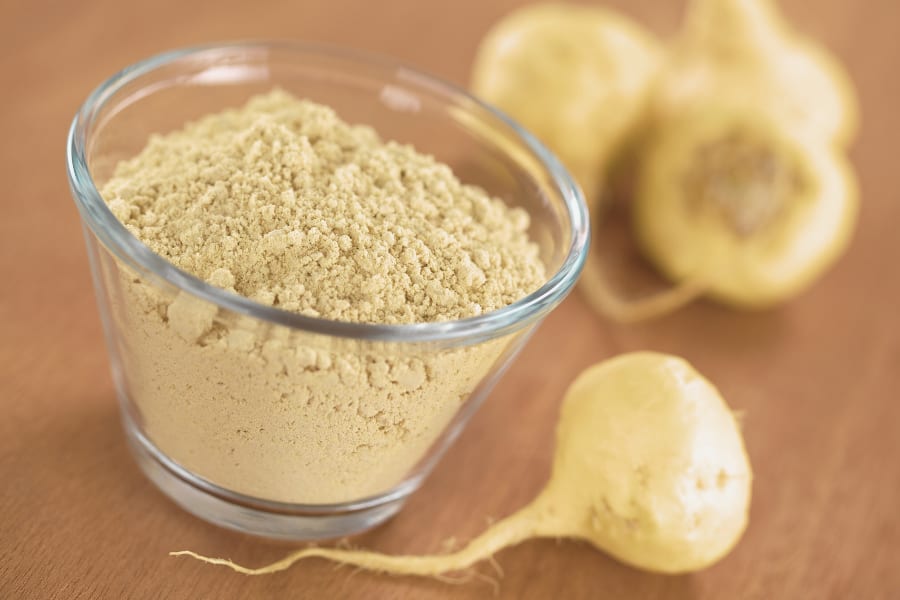
Maca root has traditional use for libido and energy, though scientific evidence remains mixed. Some women report benefits; others see no change.
Fenugreek contains compounds that may influence testosterone levels and sexual function, with some clinical support for improved libido in postmenopausal women.
Dosing Guidelines and Safety Considerations
The supplement industry is poorly regulated. Quality varies wildly, and more isn’t better—excessive dosing can cause imbalances or side effects.
Choose third-party tested products with USP or NSF certification. Look for transparent labeling of active ingredients and dosages. Start with one supplement at a time to assess individual response. Follow manufacturer dosing or work with a knowledgeable provider.
Remember: Caution is essential with hormone-sensitive conditions. Always consult your healthcare provider before starting any supplement regimen.
When Supplements Aren’t Enough
Supplements support—they don’t replace—hormone production. If you’ve optimized diet, exercise, sleep, stress, and added quality supplements for 8-12 weeks without meaningful improvement, your hormone imbalance likely requires clinical intervention.
This is especially true if you’re experiencing severe symptoms affecting quality of life, have confirmed low testosterone on lab testing, are in perimenopause or menopause with multiple hormonal symptoms, or have tried natural approaches without results.
Understanding Testosterone Booster Side Effects and Safety
What to Watch For With Natural Boosters
Even natural interventions carry potential side effects. Common issues include mild digestive upset with some supplements, headaches, mild acne or skin changes, especially with DHEA, and menstrual irregularities if dosing is too aggressive.
Most side effects are mild and resolve with dose adjustment or discontinuation. The key is monitoring your body’s response and starting conservatively.
Red Flags That Require Medical Attention
Stop supplementation and consult a healthcare provider if you experience significant mood changes or depression, severe acne or skin reactions, unwanted hair growth or voice changes, irregular bleeding or cycle disruption, persistent headaches or vision changes, or any symptom that concerns you.
These signs may indicate overdosing, hormonal imbalance, or an underlying condition requiring evaluation.
Natural Remedies for Hormonal Imbalance: Beyond Testosterone
How Estrogen and Progesterone Affect Testosterone
Here’s what most approaches miss: testosterone doesn’t exist in isolation. Your hormones work together in an intricate symphony, and hormone imbalance in one area affects all others.
Relative estrogen/progesterone changes—shifts in the balance between estrogen and progesterone—can affect testosterone production. This happens when progesterone declines (which begins in your 30s, long before menopause), stress elevates cortisol (which affects hormone precursors), or environmental toxins mimic estrogen in your body.
Progesterone and testosterone share steroidogenic pathways. When you restore progesterone and estradiol balance through bioidentical hormone therapy, you’re supporting your body’s overall hormonal system.
Supporting Overall Hormone Balance Naturally
Beyond testosterone-specific strategies, whole-body hormone balance requires liver support through fiber, cruciferous vegetables, and adequate hydration for hormone metabolism; gut health via probiotics, fermented foods, and diverse plant fibers to maintain the microbiome that influences hormone levels; insulin sensitivity through balanced meals, limited refined carbs, and regular movement; and thyroid function by ensuring adequate iodine, selenium, and managing autoimmune triggers.
These foundational supports create the environment for optimal hormone production across the board—including testosterone.
When to Consider Hormone Replacement Therapy for Testosterone
How to Know If Natural Methods Aren’t Enough
The honest truth: lifestyle and supplements help, but they’re often insufficient when hormonal decline is significant. Many women report symptom improvements within 6–12 weeks of dietary and lifestyle changes—if you’ve given natural approaches a fair trial without meaningful improvement, it’s time to consider clinical intervention.
Signs you need more than lifestyle changes:
- Symptoms persist despite 3+ months of diet, exercise, and supplement optimization
- Lab testing confirms clinically low testosterone (measured with accurate LC-MS/MS assays)
- You’re in perimenopause or menopause with multiple hormonal symptoms
- Quality of life is significantly impaired—relationships, work, or mental health are suffering
- You have conditions like PCOS (which commonly features elevated androgens; management focuses on metabolic and reproductive goals under specialist care) or endometriosis that involve complex hormonal imbalances
What to Expect From a Hormone Assessment
A comprehensive hormone evaluation goes beyond a single testosterone test. Quality providers assess total testosterone and free testosterone (the active form), SHBG (sex hormone binding globulin, which affects hormone availability), estradiol and progesterone to understand the full hormonal picture, FSH and LH to evaluate ovarian function, and thyroid markers and cortisol to rule out other endocrine issues.
But here’s the critical piece: symptoms matter more than numbers. Female testosterone should be measured with accurate assays (LC-MS/MS); immunoassays may be unreliable at low concentrations. “Normal” ranges are wide and can miss women with genuine hormone imbalance.
A skilled provider listens to your symptoms, considers your life stage and health history, interprets labs in context—not in isolation, and creates personalized protocols based on how you feel, not just numbers.
How Inner Balance’s HRT Protocols Support Your Body’s Own Hormone Production
Why Bioidentical Hormones Support Natural Balance
Prescription testosterone is chemically identical to endogenous testosterone; the key is dosing appropriately to physiologic female ranges.
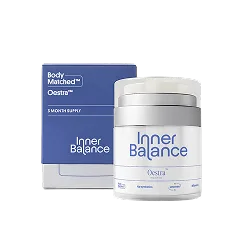
Inner Balance’s approach focuses on restoring bioidentical progesterone and estradiol through Oestra™, supporting your body’s overall hormonal system.
Here’s how it works: Progesterone and testosterone share steroidogenic pathways in your body. When progesterone levels are optimal alongside estradiol, your hormonal system functions more effectively.
Estradiol supports ovarian function and helps balance the hormonal orchestra, improving insulin sensitivity (which affects testosterone), supporting healthy hormone metabolism, and maintaining the receptors that testosterone needs to function.
This comprehensive hormone restoration approach supports your body’s overall endocrine system.
How Vaginal Application Enhances Hormone Absorption
The delivery method matters as much as the hormones themselves. Vaginal delivery avoids first-pass hepatic metabolism; systemic levels and bioavailability vary by dose and formulation.
When you apply Oestra™ vaginally, progesterone and estradiol bypass your digestive system, entering through the rich vascular network of vaginal tissue. Systemic metabolism still occurs, but initial first-pass hepatic metabolism is avoided.
This creates steady hormone levels without dramatic peaks and crashes, minimal side effects compared to some oral forms, direct delivery to reproductive tissues through the “first uterine pass effect,” and reduced initial hepatic processing.
The result: Your body receives bioidentical progesterone and estradiol in forms it recognizes, supporting your overall hormonal balance.
Personalized Protocols vs. One-Size-Fits-All
One of the most frustrating aspects of conventional hormone therapy is rigid dosing. You’re given a standard dose regardless of your symptoms, size, or individual metabolism.
Inner Balance rejects this approach. Every Oestra™ prescription is customized by board-certified physicians based on your unique symptom profile, health history, current hormone levels, treatment goals, and ongoing response.
You start with a conservative dose, then adjust based on how you feel—not just lab numbers. This patient-centered approach maximizes benefits while minimizing side effects, honoring your body’s individual needs and timeline.
What to Expect From Bioidentical Hormone Replacement Therapy
Timeline: When You’ll Start Feeling Results
Hormone restoration isn’t instant, but it’s not glacial either. Based on customer-reported outcomes:
Within 14 days: Most women notice early improvements in sleep quality, reduced anxiety, increased energy, and better mood stability.
By 30 days: Many women report feeling more like their old selves. Improvements include libido and arousal beginning to return, vaginal dryness resolving, mental clarity and reduced brain fog, sleep quality significantly better, and physical symptoms like joint pain easing.*
3-6 months: Benefits continue deepening as hormone levels stabilize. Skin and hair appearance may improve, body composition can shift with better muscle tone and fat distribution, cycle regularity may return for menstruating women, and energy levels may sustain throughout the day.*
*Based on internal customer-reported outcomes; individual results vary. These claims have not been evaluated through independent peer-reviewed trials.
Long-term: The ELITE trial found that initiating estradiol within 6 years of menopause slowed progression of subclinical atherosclerosis compared to placebo, demonstrating vascular benefits when hormone therapy is started in early postmenopause.
Long-Term Benefits of Balanced Hormones
Restoring progesterone and estradiol balance isn’t just about feeling better today—it’s about supporting your health for the long haul.
Bone health: Both progesterone and estradiol play roles in bone metabolism, supporting bone density and helping prevent osteoporosis after menopause.
Cardiovascular health: The ELITE trial used oral estradiol and showed slowed carotid intima-media thickness progression in early postmenopausal women.
Metabolic health: Balanced hormones support insulin sensitivity, healthy weight management, and thyroid function.
Sexual and vaginal health: Tissue hydration, elasticity, and sensation are restored, maintaining intimate wellness and comfort.
How to Get Started: From Consultation to Custom Treatment
The Inner Balance Consultation Process
Starting hormone therapy shouldn’t require months of waiting or fighting with insurance companies. Inner Balance makes it simple:
Step 1: Complete a comprehensive online health assessment—about 10 minutes covering your symptoms, health history, and treatment goals.
Step 2: See a board-certified physician via telehealth within 24-48 hours. No waiting rooms, no rushed appointments. Your provider listens to your story and creates a personalized plan.
Step 3: Receive your custom Oestra™ formulation, compounded specifically for you in an FDA-registered 503A facility, shipped directly to your door with free shipping.
How Your Custom Formulation Is Created
Unlike mass-produced hormones with fixed dosing, every Oestra™ prescription is individually compounded. Your physician determines the precise amounts of bioidentical progesterone and estradiol based on your symptoms and needs.
The formulation uses plant-based bioidentical hormones structurally identical to what your ovaries produce, micronized for optimal absorption, delivered in Ellage—a hypoallergenic, pH-balanced, vaginal-microbiome-friendly base, free from parabens, fragrances, preservatives, and common allergens.
Each batch undergoes rigorous testing for potency, purity, sterility, pH, and quality—ensuring you receive exactly what your prescription specifies.
Ongoing Care and Adjustments
Your initial prescription is just the beginning. Inner Balance provides unlimited access to healthcare experts for questions, concerns, or dose adjustments—included in your subscription.
As your body responds, your provider fine-tunes dosing based on symptom relief, changing life circumstances (stress, travel, illness), and your preferences and goals. Medical oversight and monitoring ensure safe, effective treatment.
At 5-6 months, you’ll have the option for lab testing to confirm levels are optimized. Your care team adjusts based on how you feel, ensuring you get the individualized attention you deserve.
Cost transparency: Oestra™ is $199 per 90-day supply (billed every three months), with free shipping and the ability to cancel anytime. No hidden fees, no insurance hassles, no prior authorizations required.
Plus, Inner Balance offers a money-back guarantee with specific terms available on our website. Inner Balance stands behind science.
See website for complete guarantee terms and eligibility requirements.
Frequently Asked Questions
Can women safely increase testosterone naturally without prescription treatment?
Yes, many women experience meaningful improvements through lifestyle optimization—strength training, zinc-rich foods, adequate protein, quality sleep, and stress management all support natural testosterone production. However, these approaches work best for mild imbalances or as prevention. If you have significant symptoms or confirmed low testosterone, natural methods alone are often insufficient. Many clinicians recommend optimizing lifestyle first, and combining lifestyle optimization with hormone therapy may yield the best long-term outcomes.
How long does it take to see results from natural testosterone boosters?
Many women report symptom improvements within 6–12 weeks of dietary and lifestyle changes. However, individual response varies widely based on the severity of imbalance, consistency with interventions, overall health status, and age/life stage. If you’ve optimized diet, exercise, sleep, and stress for 8-12 weeks without meaningful improvement, your hormone imbalance likely requires clinical intervention rather than expecting more time to solve the problem.
What’s the difference between bioidentical HRT and testosterone replacement?
Prescription testosterone is chemically identical to endogenous testosterone; the key is dosing to physiologic female ranges. Physiologic testosterone may cause mild acne or hirsutism in some women; serious adverse events are uncommon in short-term studies. Inner Balance’s bioidentical approach restores progesterone and estradiol (which are structurally identical to your own hormones), supporting your body’s overall hormonal system.
Will increasing testosterone cause masculine side effects in women?
When testosterone therapy is properly dosed to physiologic female ranges, side effects are generally mild. With prescription testosterone therapy, some women may experience mild acne or hirsutism. The key is appropriate medical oversight and dosing. Inner Balance’s approach focuses on restoring progesterone and estradiol through vaginal delivery, which avoids first-pass hepatic metabolism. Most women using Oestra™ report benefits without masculinizing effects when hormones are properly dosed and monitored.
How do I know if I need hormone replacement therapy or if lifestyle changes are enough?
Consider clinical intervention if you’ve optimized diet, exercise, sleep, and stress for 3+ months without meaningful symptom relief, lab testing confirms clinically low hormone levels (measured with accurate assays), you’re experiencing perimenopause or menopause symptoms affecting quality of life, or you have complex hormonal conditions. Many clinicians recommend trialing natural interventions first—and combining lifestyle optimization with hormone therapy may yield the best long-term outcomes. You don’t have to choose between natural and medical approaches; the most effective path often integrates both.