If your desire for intimacy has quietly faded—leaving you wondering where your spark went—you’re far from alone. Hypoactive Sexual Desire Disorder (HSDD) affects approximately 10% of women, with rates climbing significantly higher among perimenopausal and postmenopausal women. The frustration of feeling disconnected from your own sexuality while loving your partner deeply is one of the most isolating experiences women describe. The good news: effective treatments exist. The challenge is finding one that addresses both the neurological and hormonal pathways that shape female desire. At Inner Balance, we understand that women’s sexuality doesn’t work like a simple on-off switch—it’s a complex interplay of brain chemistry, emotional connection, and hormonal balance. That’s why our approach targets both the root cause of hormone imbalance and the brain pathways where desire actually originates.
Key Takeaways
- HSDD often stems from hormone imbalance combined with disrupted brain signaling—effective treatment addresses both pathways
- Inner Balance’s Libida™ is the only formulation combining bremelanotide and oxytocin to target neurochemical desire AND emotional connection
- Hormone optimization through vaginal delivery (Oestra™) provides the foundation many women need before desire can fully return
- FDA-approved options like Vyleesi require self-injection; Addyi requires daily dosing with alcohol restrictions
- Cognitive behavioral therapy and mindfulness show strong evidence but work best alongside biological treatment
- Single-pathway treatments often fall short because female desire involves multiple interconnected systems
- The most effective approach combines brain-targeted support with foundational hormone restoration
1. Inner Balance’s Comprehensive Approach: Libida™ + Oestra™
At Inner Balance, we’ve developed something different—a dual approach that addresses both the brain’s desire pathways and the hormonal foundation that supports healthy sexuality. This isn’t about treating one symptom. It’s about restoring the entire system.
Libida™: On-Demand Desire Support
Libida™ represents the first women-first libido solution combining bremelanotide and oxytocin in a convenient sublingual tablet. No injections required. This dual-pathway approach reflects how women’s sexuality actually works—addressing both the neurochemical spark of desire and the emotional readiness for intimacy.
How Libida™ Works
- Bremelanotide activates melanocortin receptors (MC4R) in the hypothalamus, boosting dopamine, motivation, sexual thoughts, and arousal. This is the same FDA-approved active ingredient used in injectable treatments for desire—now available in an easier sublingual form.
- Oxytocin supports bonding and emotional-safety pathways, enhancing connection, closeness, and relaxation into intimacy.
Together, these compounds address both neurochemical desire AND emotional connection—something no other product provides.
What to Expect
- Take the tiny sublingual lozenge 45-60 minutes before intimacy
- Effects may last 24-72 hours
- Non-hormonal formula works regardless of your current hormonal status
- Can be used with or without Oestra™
Clinical Evidence for Bremelanotide
Research on the bremelanotide component demonstrates increased desire and arousal, more satisfying sexual events, reduced distress, and restored fantasies and responsiveness. These benefits come without the daily commitment or alcohol restrictions of other options.
Oestra™: The Hormonal Foundation
For many women, desire issues trace back to underlying hormone imbalance. Oestra™ addresses this root cause through bioidentical estradiol and progesterone delivered vaginally—delivering superior bioavailability compared to oral administration.
Why does hormonal balance matter for libido? Estradiol and progesterone influence neurotransmitter function, vaginal tissue health, and energy levels—all factors that support healthy desire. When your hormones are optimized, your brain’s desired pathways can function as they should.
Oestra™ Results at 6 Months
- 75.3% report improved sex drive and arousal
- 97% experience relief from vaginal dryness
- 80.2% see better sleep quality
- 78.7% notice mental health improvements
What Sets Inner Balance Apart
- Dual-pathway approach: The only solution addressing both brain chemistry (Libida™) and hormonal foundation (Oestra™)
- No injections: Sublingual tablet for Libida™, simple cream application for Oestra™
- Telehealth convenience: Board-certified physicians in all 50 states, prescriptions within 24-48 hours
- Personalized care: Treatment based on your symptoms, not arbitrary lab values
- HSA/FSA eligible: Both products qualify for health savings accounts
Who This Approach Works Best For
- Women whose desire feels muted, disconnected, or missing
- Those who identify with “my spark is gone” or “I love my partner, but I never feel like it”
- Women whose hormones are addressed but desire still feels flat
- Women with HSDD or persistent low libido seeking a non-hormonal, on-demand option
- Those who haven’t fully responded to hormone therapy alone
Learn more about our hormone therapy and how it complements targeted libido support.


2. Bremelanotide Injection (Vyleesi)
Vyleesi is the FDA-approved injectable form of bremelanotide, approved in 2019 for premenopausal women with HSDD. It works by activating melanocortin receptors in the hypothalamus to increase dopamine release.
Pros
- FDA-approved with clinical trial evidence
- On-demand use (not daily)
- No alcohol restrictions or SSRI interactions
Cons
- Requires self-injection into belly or thigh—a barrier for many women
- High nausea rate (40% vs 1.3% for placebo)
- Limited to 8 doses per month maximum
- Single-pathway approach—lacks oxytocin’s bonding benefits
Who It’s Best For
Women comfortable with self-injection who prefer on-demand treatment without alcohol restrictions.
Why It Falls Short
Vyleesi addresses the dopamine pathway but misses the emotional connection component that shapes women’s arousal patterns. The injection requirement creates a significant barrier for many women.
3. Flibanserin (Addyi)
Flibanserin, sometimes called “the pink pill,” was originally approved for premenopausal women and recently expanded to postmenopausal women under 65. It works on serotonin receptors to increase dopamine and norepinephrine while decreasing inhibitory serotonin.
Pros
- FDA-approved oral medication
- May help women with generalized acquired HSDD
- Effect size of 0.29-0.44 for desire improvement
Cons
- Requires daily dosing—commitment regardless of when intimacy might occur
- Black box warning for hypotension and fainting when combined with alcohol
- Cannot use at least 2 hours after of alcohol consumption
- Contraindicated with SSRIs and many other medications
- Takes 4-8 weeks to see effects
- Response rate of 46-55% in premenopausal women
Who It’s Best For
Women who can completely abstain from alcohol, aren’t on contraindicated medications, and prefer a daily medication approach.
Why It Falls Short
The alcohol restriction significantly limits lifestyle flexibility. The daily dosing means medication exposure even when intimacy isn’t anticipated. Unlike Libida™ ‘s targeted, on-demand approach, Addyi requires constant use with continuous side effect exposure.
4. Bioidentical Testosterone Therapy
Transdermal testosterone has strong clinical evidence for postmenopausal women with HSDD. Ten international medical societies endorse its use, and multiple clinical practice guidelines support testosterone therapy for desired issues.
Pros
- Robust clinical evidence for postmenopausal women
- Improves desire, arousal, orgasm frequency, and satisfaction
- Addresses hormonal component of desire
Cons
- No FDA-approved female testosterone product in the US
- Must use off-label male products at 1/10th dose or compounded versions
- Variable quality in compounded preparations
- Requires monitoring for androgenic effects (acne, hair growth)
- Doesn’t address brain’s desire pathways directly
Who It’s Best For
Postmenopausal women with documented low testosterone who’ve tried psychotherapy without sufficient improvement.
Why It Falls Short
Testosterone addresses only the hormonal piece of the puzzle. It doesn’t target the brain’s melanocortin pathways like bremelanotide or support emotional connection like oxytocin. The access barriers in the US—no approved products, compounding concerns—create additional challenges.
5. Cognitive Behavioral Therapy
CBT shows impressive results for HSDD with psychological components, achieving large effect sizes in controlled studies. It works by challenging unrealistic beliefs about sexuality, changing behavioral patterns, and improving sexual communication.
Pros
- Evidence-based with large effect sizes
- Addresses psychological barriers to desire
- Improves communication and relationship dynamics
- No medication side effects
Cons
- Requires trained sex therapist—may have long waitlists
- Time-intensive (8-12 weeks of sessions, 45-60 minutes each)
- Insurance coverage variable
- Cannot replace missing neurotransmitter or hormone function
- Results depend on consistency and individual factors
Who It’s Best For
Women with significant psychological components to their HSDD, relationship issues contributing to desire problems, or past negative sexual experiences.
Why It Falls Short
CBT excels at addressing psychological barriers but cannot restore neurochemical or hormonal function. Many women benefit from combining CBT with biological treatments like Libida™ or Oestra™ for comprehensive improvement.
6. Mindfulness-Based Interventions
Mindfulness training improves all sexual function domains—desire, arousal, lubrication, orgasm, satisfaction, and pain reduction. It works by increasing present-moment awareness and reducing cognitive distractions during intimacy.
Pros
- Improves multiple aspects of sexual function
- Reduces mind-wandering during intimacy
- Decreases sexually-related personal distress
- Growing availability of online programs
Cons
- Requires ongoing daily practice (30-60 minutes recommended)
- Cannot address hormonal decline or neurotransmitter imbalance
- Benefits depend on consistency
- May take months to see significant improvement
Who It’s Best For
Women who experience high levels of distraction during intimacy, stress-related sexual dysfunction, or mind-body disconnect.
Why It Falls Short
Mindfulness enhances awareness of pleasure but cannot generate the neurochemical spark that initiates desire. It’s an excellent complement to treatments like Libida™ but rarely sufficient as standalone therapy for significant HSDD.
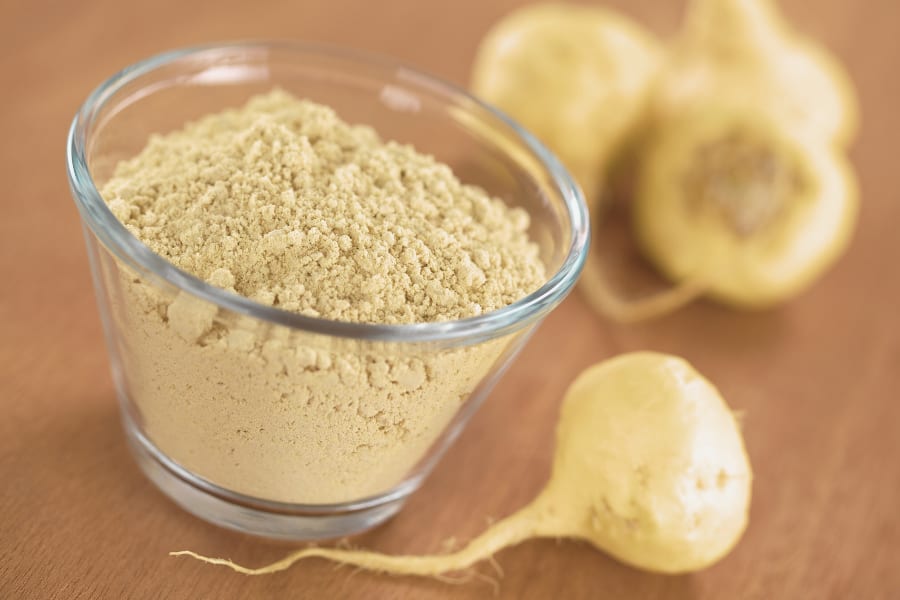
7. Adaptogenic Herbs
Ashwagandha and maca root show emerging evidence for sexual function improvement, primarily through stress reduction and potential hormone-supporting effects. Eight-week studies demonstrate significant improvements in arousal, lubrication, and satisfaction with ashwagandha.
Pros
- Plant-based, generally well-tolerated
- May reduce cortisol and support stress response
- Ashwagandha has clinical trial support
- Available over-the-counter
Cons
- Effects are mild compared to targeted therapies
- Requires consistent daily use for 8+ weeks
- Variable product quality and standardization
- Cannot target specific desire pathways
- Limited evidence compared to prescription options
Who It’s Best For
Women seeking natural support alongside other treatments, those with significant stress affecting desire.
Why They Fall Short
Adaptogens support overall wellness but don’t target the specific brain pathways where desire originates. They’re best used as complements to more targeted approaches rather than primary HSDD treatment.
8. Lifestyle Modifications
Regular exercise, stress management, and sleep optimization all support sexual health. Research shows frequent exercise and adequate sleep both support healthy libido.
Pros
- Improves overall health and energy
- Supports hormone balance and mood
- No cost or side effects
- Benefits multiple life domains
Cons
- Cannot restore missing hormones or neurotransmitters
- Even elite athletes experience HSDD
- Lifestyle changes alone rarely resolve significant desire disorders
- May take months to notice any sexual function improvement
Who They’re Best For
All women—as foundational support alongside targeted treatments.
Why They Fall Short
Lifestyle optimization creates better conditions for desire but cannot generate it when neurological or hormonal pathways are disrupted. These modifications work best when combined with treatments addressing the biological components of HSDD.
Why Most Treatments Fall Short
The pattern across these alternatives reveals a common limitation: each addresses only one piece of a complex puzzle. Female desire involves multiple interconnected systems—brain chemistry, emotional connection, hormonal balance, psychological factors, and physical health.
Single-pathway treatments—whether targeting only dopamine, only hormones, or only psychological factors—often produce disappointing results because they leave other contributing factors unaddressed. This explains why many women try multiple approaches before finding relief.
Inner Balance’s dual-approach strategy—combining Libida™’s brain-targeted support with Oestra™’s hormonal foundation—reflects the reality of how women’s sexuality works. By addressing both neurochemical desire AND hormonal balance, this approach provides the comprehensive support most women actually need.
The Bottom Line
Effective HSDD treatment requires understanding that female desire isn’t simple. It involves brain pathways, emotional readiness, and hormonal health working together.
Inner Balance earned our top ranking because it’s the only approach addressing both neurochemical desire (through Libida™ ‘s bremelanotide and oxytocin combination) and foundational hormone balance (through Oestra™’s bioidentical vaginal delivery). Other options have their place—particularly CBT for psychological components or testosterone for documented hormonal deficiency—but none provides the comprehensive, women-first approach that matches how female sexuality actually functions.
If you’ve tried other treatments without success, or if you’re just beginning to explore options, consider whether a comprehensive approach might finally provide the relief you’re seeking.
Frequently Asked Questions
What makes Inner Balance different from other hormone therapy or libido treatment options?
Inner Balance is the only provider offering both targeted libido support (Libida™) and foundational hormone optimization (Oestra™). Libida™ uniquely combines bremelanotide and oxytocin—addressing both neurochemical desire and emotional connection pathways. No other product provides this dual-action approach in a convenient sublingual form.
Can I use Libida™ if I’m already on hormone replacement therapy?
Yes. Libida™ is non-hormonal and compatible with any hormonal status. Many women find their hormones are optimized but desire still feels flat—Libida™ addresses the brain pathways that can remain underactive even when hormones are balanced. It can be used with or without Oestra™.
Why is vaginal delivery better than pills or patches for hormone therapy?
Vaginal delivery bypasses liver metabolism, providing superior bioavailability compared to oral administration. This means more of the hormone reaches your bloodstream in its active form, producing steadier levels with fewer side effects. The first uterine pass effect also ensures optimal uterine tissue delivery.
How do I know if Libida™ or Oestra™ is right for me?
If your desire feels muted or disconnected and you want on-demand support before intimacy, Libida™ may help. If you’re experiencing broader hormonal symptoms—sleep issues, mood changes, vaginal dryness, or fatigue—Oestra™ addresses the underlying hormone imbalance. Many women benefit from both. Our telehealth consultations help determine which approach fits your unique situation.
What if I’ve tried other options without success?
Many women come to Inner Balance after unsuccessful attempts with single-pathway treatments. Our comprehensive approach often succeeds where others haven’t because we address multiple systems simultaneously. The combination of targeted brain-pathway support plus hormonal optimization frequently provides relief when individual treatments couldn’t. Our care team works with you to adjust treatment based on your response, not arbitrary lab values.