



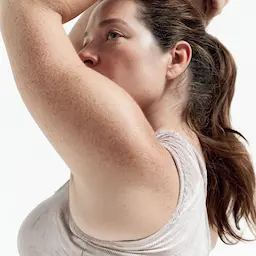


For 23 years, Good Girls and Parenthood star Mae Whitman lived with debilitating pain that doctors couldn’t—or wouldn’t—explain. Her story mirrors what millions of women experience: severe symptoms dismissed as “normal period pain,” years of misdiagnosis, and the emotional toll of being told it’s all in your head. The truth? Endometriosis affects approximately 1 in 10 women of reproductive age, yet the average diagnosis takes 4–12 years. Mae’s breakthrough came when she finally found answers—and her advocacy now helps other women understand that their symptoms have a root cause and a real solution. For women seeking comprehensive hormonal support for endometriosis, bioidentical hormone therapy through Oestra™ offers an approach that addresses the underlying hormone imbalance driving this condition.
Key Takeaways
- Mae Whitman’s 23-year journey from age 7 to diagnosis at 30+ illustrates the systemic dismissal of women’s pain—she was told her symptoms were “normal” while vomiting through every period
- Hormone imbalance is the root cause: Low progesterone allows estrogen dominance, fueling endometrial tissue growth and chronic inflammation
- Vaginal hormone delivery achieves significantly higher bioavailability compared to oral forms, bypassing liver metabolism that destroys active hormones
- Patient outcomes (based on Inner Balance patient-reported outcomes): Approximately 75% report lighter, shorter periods within 6-12 weeks; around 80% experience resolution of pain and bloating within 3 months
- The “first uterine pass effect” delivers progesterone directly to reproductive tissues where endometriosis occurs, creating targeted anti-inflammatory action


Mae Whitman’s Endometriosis Story: From Symptoms to Diagnosis
When Pain Starts in Childhood
Mae Whitman’s symptoms began at just seven years old. While filming One Fine Day (1996), she experienced severe digestive issues and mysterious pain during running scenes. Doctors dismissed it as lactose intolerance—a misdiagnosis that would set the tone for the next two decades.
By her teens, the pain intensified dramatically. Mae described vomiting into the toilet “seven times every single period,” with symptoms starting a full week before menstruation. The nausea became so severe she’d lie “half in and out of the shower,” unable to function. No medication touched it—not even opiates.
15 Years of Medical Gaslighting
What Mae heard from doctors echoes what millions of women experience:
- “Period pain is normal”
- “Try birth control” (symptom suppression, not treatment)
- “It might be endometriosis, but we don’t know much about it”
- “Surgery rarely works”
The impact on her career was profound. Mae had to turn down a guest role on The Handmaid’s Tale and was frequently late to set or unable to work. She was perceived as “flaky” or “unprofessional”—when in reality, her body was fighting an invisible battle.
The Breaking Point
Mae’s pain eventually became so severe she went to the emergency room convinced she was dying. Even then, no diagnosis. The turning point came through connection with fellow actress Lena Dunham, who also lives with endometriosis. Lena connected Mae with specialist Dr. Iris Orbuch, who gave her something no doctor had offered in 15 years: validation.
“I just immediately burst into tears, just reading the letters, because it was the first time I’d ever felt like someone said, ‘This is what I have. This is what it is, is what it feels like, and there is a way out.'” —Mae Whitman
Mae describes the pain in visceral terms that resonate with millions: “being shot with a cannonball in the stomach, people dragging bread knives down the fronts of your ovaries like nails on a chalkboard, and having an elephant decide to take a power nap on your upper thighs.”
Understanding the Endometriosis Puzzle: What It Is and Why It Matters
Beyond Painful Periods
Endometriosis occurs when tissue similar to the uterine lining grows outside the uterus, causing chronic inflammation, severe pelvic pain, heavy bleeding, and for one-third of sufferers, infertility. It affects an estimated 190 million women worldwide.
The condition creates a cascade of symptoms:
- Fatigue that doesn’t improve with rest
- Digestive issues mimicking IBS
- Pain during sex
- Whole-body exhaustion making daily life feel impossible
These aren’t separate problems—they stem from the same hormonal dysfunction.
The Hormonal Imbalance Driving Endometriosis
At its core, endometriosis involves a critical imbalance: progesterone is too low to counterbalance estrogen. This estrogen dominance fuels endometrial tissue growth outside the uterus, creates chronic inflammation that goes unchecked, and allows immune dysfunction that fails to clear misplaced tissue.
Understanding this hormonal root cause changes everything about the treatment approach. Rather than suppressing all hormones with birth control or creating artificial menopause with GnRH drugs, restoring proper progesterone-to-estrogen balance addresses what’s actually driving the disease.
How to Prevent Endometriosis Symptoms and Progression
While endometriosis can’t be “cured,” meaningful prevention of symptom progression is possible through strategic lifestyle interventions:
Anti-inflammatory nutrition:
- Omega-3 fatty acids (salmon, flaxseeds, walnuts)
- Cruciferous vegetables supporting estrogen detoxification
- Turmeric and ginger for natural anti-inflammatory compounds
- Avoiding processed foods, excess dairy, and refined sugars that promote inflammation
Movement and stress reduction:
- Yoga reduces pain intensity and improves quality of life
- Walking and swimming improve pelvic circulation without jarring impact
- Daily meditation—even 10 minutes—helps regulate cortisol, which disrupts reproductive hormones
Mae Whitman embraced this holistic approach post-surgery: strict dietary modifications, yoga, meditation, and nervous system recovery protocols.
Optimizing Hormonal Health
The most impactful prevention strategy targets the hormone imbalance itself. Vaginal progesterone delivery provides consistent blood levels that oral forms can’t match, helping counteract the estrogen dominance that drives endometriosis progression.
Inner Balance’s supplement protocols complement hormonal support with targeted nutrients for gut health, inflammation management, and heavy period support—addressing multiple pathways simultaneously.
Alternative and Comprehensive Treatments for Endometriosis
Understanding Your Treatment Options
Standard treatments for endometriosis often focus on symptom management:
Birth control pills suppress ovulation and thin the uterine lining. While helpful for some women, symptoms typically return when stopped since the underlying hormone imbalance remains unaddressed.
GnRH drugs (Lupron) create artificial menopause, which can reduce endometrial tissue growth. However, the side effects—including bone loss and severe hot flashes—make long-term use challenging for many women.
Laparoscopic surgery removes visible lesions and can provide significant relief. Studies show recurrence rates up to 50% within five years, which is why many women benefit from combining surgery with ongoing hormonal support.
Mae Whitman called her surgery “the best day of my life”—and it provided significant relief. But she acknowledges: “It’s a long journey to recovery. There’s still elements of it, and I’ll have it forever. It’s kind of like my shadow, but now it’s like my friendly shadow.”
Targeting Root Causes: The Bioidentical Hormone Approach
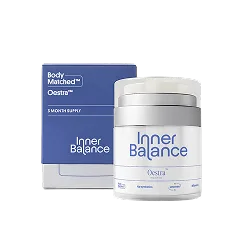
Bioidentical hormone therapy offers something fundamentally different: restoring the body’s natural hormone balance. Oestra™ combines bioidentical estradiol and progesterone in a vaginal cream that delivers hormones where they’re needed most.
This approach offers several advantages:
- Non-contraceptive and fertility-supporting
- Addresses the progesterone deficiency driving estrogen dominance
- Provides systemic hormone delivery through vaginal administration
- Produces dihydroprogesterone (DHP)—a metabolite with anti-inflammatory properties
For women who’ve been told their only options are birth control or surgery, bioidentical hormone therapy represents another path: working with the body’s natural systems.
The Role of Hormonal Balance in Endometriosis Management
Why Progesterone Is the Master Hormone
Progesterone does far more than support pregnancy—it’s your body’s natural anti-inflammatory, calms the nervous system, and directly opposes estrogen’s tissue-building effects. When progesterone is low, estrogen dominance takes over, and for women with endometriosis, this means more tissue growth, more inflammation, and more pain.
The challenge with conventional progesterone delivery is metabolism. Oral progesterone must pass through the liver, where much of it is converted to metabolites that cause drowsiness and mood instability—never reaching the reproductive tissues where it’s needed.
The Vaginal Delivery Advantage
Vaginal hormone delivery bypasses this metabolic roadblock entirely. The vaginal wall’s rich blood supply delivers hormones directly into pelvic circulation—no gut, no liver, no destruction of active hormone.
Research on the first uterine pass effect shows progesterone placed in the upper vagina reaches the uterus first, creating higher tissue concentrations exactly where endometriosis occurs. This targeted delivery means:
- Better endometrial protection
- More effective cycle regulation
- Superior anti-inflammatory action at the source
- Lower doses needed for therapeutic effect
Exploring Bioidentical Hormones for Endometriosis Relief
The Science Behind Oestra™
Oestra™ delivers bioidentical estradiol and micronized progesterone through vaginal application—a pearl-sized amount once daily. This formulation takes advantage of superior vaginal bioavailability while avoiding the liver metabolism that destroys oral hormones.
The progesterone in Oestra™ converts to DHP (dihydroprogesterone), a metabolite with anti-inflammatory properties particularly relevant to endometriosis. Unlike synthetic progestins that can worsen symptoms, bioidentical progesterone works with your body’s natural receptor systems.
Patient-Reported Outcomes and Clinical Timelines
Based on Inner Balance patient-reported outcomes, women using Oestra™ for endometriosis report significant improvements:
- Week 4: Pain reduction begins
- Week 6: Mood improvement and increased energy
- Week 8: Period lightening becomes noticeable
- Week 12: Full symptom stabilization for most users
Approximately:
- 75% report lighter, shorter periods within 6-12 weeks
- 80% experience resolution of pain and bloating within 3 months
- 90% improvement in heavy and painful menstrual bleeding
This isn’t symptom masking—it’s addressing the hormonal dysfunction that drives the disease.
Why This Matters for Younger Women
Most endometriosis treatments are designed for women trying to conceive or approaching menopause. But what about women in their 20s and 30s who don’t want birth control’s side effects or aren’t ready for surgery?
Inner Balance specifically addresses this population. Women like Mae Whitman—who suffered for decades while being told to “just take the pill”—deserve treatment options that work with their bodies, preserve fertility, and provide meaningful relief.
Beyond Hormones: Comprehensive Support for Endometriosis
Mae Whitman’s recovery involved more than surgery—she embraced a comprehensive approach including strict dietary modifications, yoga and meditation for nervous system regulation, adrenal support addressing the stress-hormone connection, and ongoing symptom management as a lifelong practice.
This mirrors what research supports: endometriosis responds best to multi-modal treatment addressing inflammation, hormones, stress, and immune function simultaneously.
The Mind-Body Connection
Chronic pain creates a feedback loop with the nervous system. When you’ve spent years—like Mae—being told your pain isn’t real, the psychological burden compounds physical symptoms. Effective treatment must address both.
Inner Balance’s approach includes unlimited consultations with the medical team, personalized dosing adjustments based on symptoms, and regular check-ins that validate your experience. As Mae learned through Dr. Orbuch, being believed by your doctor changes everything.
What Mae Whitman’s Story Teaches Us
Mae now uses her platform to raise awareness, saying: “It’s the most important thing in my life right now to try and get the word out there. Because knowing the mental battles that I’ve been through with it, that I still go through with it without having a support system, it’s so difficult.”
Her advocacy highlights what millions of women need to hear:
- Your pain is real—even when tests come back “normal”
- 7-15 year diagnostic delays aren’t acceptable
- Treatment options exist beyond birth control and surgery
- Hormone imbalance is often the root cause—and it’s treatable
Taking Action: Your Next Steps
If Mae’s story resonates with your experience, consider:
- Track your symptoms to communicate severity to providers
- Seek specialist care—not just general gynecology
- Ask about hormonal testing and bioidentical options
- Don’t accept “period pain is normal” as an answer
- Explore comprehensive approaches that address root causes
Inner Balance’s 5-minute health assessment can help determine if bioidentical hormone therapy might address your symptoms. Board-certified physicians review your history within 24-48 hours, and treatment ships directly to your door.
Frequently Asked Questions
Can bioidentical hormones help endometriosis without surgery?
Yes. While surgery removes visible lesions, it doesn’t address the underlying hormone imbalance that allows endometriosis to develop and progress. Bioidentical progesterone helps oppose estrogen dominance and reduces inflammation whether used alone or as part of post-surgical management. Many women find symptom relief by restoring proper hormone balance.
Will vaginal hormone therapy affect fertility?
Unlike birth control, which suppresses ovulation, Oestra™ is non-contraceptive and fertility-supporting. By restoring natural progesterone levels, it actually supports healthy cycles and ovulation. Clinical data shows vaginal progesterone is commonly used in fertility treatments precisely because it effectively supports reproductive function.
How does this approach differ from birth control?
Birth control suppresses your entire hormonal system—stopping ovulation and creating artificial hormone levels. This masks symptoms without addressing root causes, and symptoms typically return when you stop. Oestra™ restores your body’s natural hormone balance, supporting normal cycles while addressing the progesterone deficiency driving estrogen dominance. It treats the underlying dysfunction rather than shutting down your reproductive system.
How long before I notice symptom improvement?
Most women report initial changes within 4-6 weeks, with progressive improvement through month 3. Pain reduction typically begins around week 4, mood improvement by week 6, and period lightening by week 8. Full symptom stabilization usually occurs by week 12. Inner Balance’s care team monitors your progress and adjusts dosing based on your symptoms.
Is bioidentical hormone therapy safe long-term?
Inner Balance uses FDA-regulated bioidentical hormones from inspected compounding pharmacies, with ongoing physician oversight. Many women continue hormonal support through perimenopause and beyond for continued symptom management and health protection. Your physician will monitor your individual response and adjust treatment as needed.