


You’ve tried the supplements, read the wellness blogs, and maybe even added maca powder to your morning smoothie—yet that spark still feels missing. If your desire has quietly faded and you’re wondering whether a Peruvian root vegetable can actually help, you’re asking the right question. The truth is, maca root shows modest but real benefits for some women, particularly after menopause—but it’s not the magic fix wellness marketing often promises. For women who need more targeted support, Libida™ offers a science-backed, non-hormonal approach that works directly on the brain pathways where female desire actually originates.
Key Takeaways
- Modest clinical evidence: Small clinical trials suggest maca may modestly improve sexual dysfunction in some women—especially after menopause—but the benefits are not dramatic or universal
- Non-hormonal mechanism: Maca does NOT appear to raise estrogen or testosterone levels in small trials, but that does not mean it’s appropriate for every woman who cannot use hormone therapy
- Requires patience: Effects take 6-12 weeks of consistent use at 3-3.5g daily—this isn’t an on-demand solution
- Population matters: Postmenopausal women and those with antidepressant-induced sexual dysfunction respond best; premenopausal results are mixed
- When maca isn’t enough: Libida™ offers a dual-pathway approach combining bremelanotide (desire spark) and oxytocin (emotional connection)—the only formulation addressing both neurochemical and bonding aspects of female sexuality


Understanding Maca Root Benefits for Females
What Is Maca and Why the Hype?
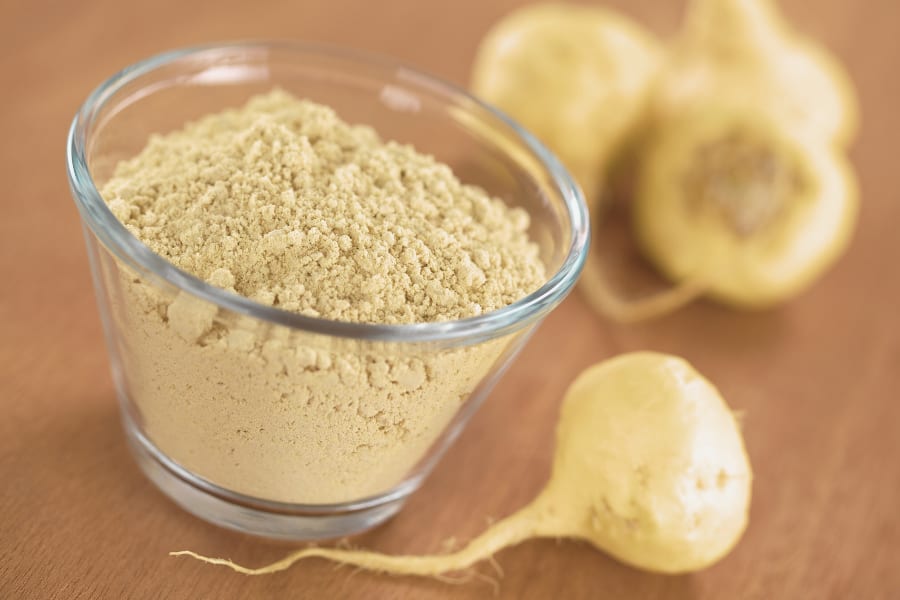
Maca (Lepidium meyenii) is a cruciferous vegetable native to the Peruvian Andes, where it’s been cultivated for thousands of years. Traditional uses centered on energy, stamina, and fertility—claims that eventually caught the attention of Western supplement manufacturers.
The plant contains unique bioactive compounds called macamides and macaenes, along with amino acids, fatty acids, and minerals. These compounds are thought to work as adaptogens—substances that help your body manage stress without directly altering hormone levels.
For women experiencing low libido during perimenopause or menopause, maca represents an appealing option: a non-prescription, plant-based approach that doesn’t require hormone therapy. But does the science support the marketing claims?
The Appeal of a Non-Hormonal Approach
Many women with low desire can’t or prefer not to use hormone therapy, so non-hormonal options often sound appealing. But even though maca does not appear to raise hormone levels in small studies, women with hormone-sensitive conditions should still speak with their clinician before using it.
Research confirms maca does not increase estradiol, testosterone, FSH, LH, or SHBG levels. Whatever benefits it provides occur through entirely different pathways than traditional hormone replacement—likely through adaptogenic stress modulation and neurotransmitter effects rather than direct hormonal action.
Maca Root as a Libido Booster: What the Science Actually Shows
The Strongest Evidence: Postmenopausal Women
The most compelling research comes from a double-blind trial involving postmenopausal women. Participants received 3.5g daily of maca powder for six weeks.
Results showed significant improvement in sexual dysfunction measures and reduction in psychological symptoms like anxiety and depression. Critically, hormone panels showed no changes in estradiol, FSH, LH, or testosterone—confirming maca works through non-hormonal mechanisms.
This study matters because it used rigorous methodology and measured what most maca studies don’t: actual hormone levels. The finding that benefits occurred without hormonal changes suggests maca may work through stress-reduction or neurotransmitter pathways.
Evidence for Antidepressant-Induced Sexual Dysfunction
A 12-week trial examined maca in women experiencing sexual dysfunction from SSRI and SNRI antidepressants—a common and frustrating side effect.
Key findings:
- Remission rates higher in the maca group (30% vs 20% on placebo)
- Strongest effects in postmenopausal participants
- Improved orgasm function in older women
- Premenopausal women showed improved arousal but less consistent results
The age correlation is noteworthy: older women experienced greater improvements than younger participants. Researchers speculate this may relate to differences in baseline neurochemistry or sensitivity to maca’s adaptogenic effects.
What Systematic Reviews Conclude
A 2010 systematic review found limited but promising evidence for maca. Individual studies—including trials on postmenopausal women and later research on antidepressant-induced sexual dysfunction—have added to this evidence base.
However, reviewers cautioned: “The total number of trials, sample size, and methodological quality are too limited to draw firm conclusions.” This honest assessment reflects the current state of evidence—encouraging but preliminary.
The Honest Bottom Line on Maca Research
If you’re postmenopausal or struggling with antidepressant-related sexual issues, maca shows real (if modest) promise. If you’re a premenopausal woman with unexplained low libido, the evidence is much weaker.
What maca research does NOT show:
- Quick results (minimum 6-12 weeks needed)
- Dramatic improvements (the published studies suggest modest benefits, not a cure)
- Universal effectiveness (some women report meaningful improvement, but many do not)
- On-demand arousal effects (this isn’t “female Viagra”)
How to Increase Libido in Women: Beyond Maca Root
Lifestyle Foundations That Actually Matter
Before adding any supplement, addressing lifestyle factors often produces more reliable results:
Sleep quality: Chronic sleep deprivation directly suppresses desire by disrupting dopamine and cortisol pathways. Prioritizing 7-8 hours of quality sleep may improve libido more than any supplement.
Stress management: High cortisol levels actively suppress sex hormones and desire. Chronic stress creates a physiological state incompatible with sexual interest.
Physical activity: Regular exercise improves blood flow, body image, energy levels, and neurotransmitter balance. Even moderate activity (30 minutes, 3-4 times weekly) can meaningfully impact sexual function.
Relationship dynamics: For many women, desire is responsive rather than spontaneous—it emerges in the context of emotional safety, connection, and communication.
Why Natural Approaches Sometimes Aren’t Enough
Here’s what wellness marketing won’t tell you: lifestyle changes and herbal supplements help some women, but they don’t address the neurochemical basis of desire when it’s truly dysregulated.
Female sexual desire originates in the brain—specifically the hypothalamus, where neurotransmitters like dopamine drive motivation, anticipation, and sexual thoughts. When these pathways aren’t firing properly, no amount of maca or stress reduction will fully restore that spark.
This is why women often say: “I love my partner, but I never feel like it.” The emotional connection exists, but the neurochemical ignition is missing. This disconnect requires a different approach—one that works directly on the brain.
When “My Spark Is Gone”: Identifying Root Causes of Low Desire
Hormonal Shifts and Libido
Declining estrogen and progesterone during perimenopause and menopause directly impact sexual function. These hormonal changes affect vaginal tissue health, arousal response, and the neurochemical balance that supports desire.
Women with PCOS, endometriosis, or postpartum imbalances also frequently experience libido disruption as part of their broader hormonal picture.
For these women, addressing the underlying hormone imbalance often restores the foundation for healthy desire. But even with optimized hormones, some women find their spark remains muted.
Is It HSDD?
Hypoactive Sexual Desire Disorder (HSDD) affects an estimated 10% of women and involves persistently low sexual desire that causes personal distress. Unlike situational low libido (from stress, relationship issues, or medication), HSDD represents a chronic pattern that doesn’t resolve with lifestyle changes alone.
Characteristics of HSDD include:
- Absent or significantly reduced sexual thoughts and fantasies
- Minimal responsiveness to erotic cues
- Reduced initiation of sexual activity
- Distress about the lack of desire
- Duration of at least six months
Women with HSDD often describe feeling disconnected from their sexuality—like something fundamental has gone quiet. This isn’t a relationship problem or lack of attraction; it’s a neurochemical pattern that requires targeted intervention.
Maca Root Side Effects and Safety Considerations
What Clinical Trials Show About Safety
The good news: maca appears safe in clinical studies. In the 12-week trial of 45 women taking 3g daily, no serious adverse events occurred. Vital signs, liver function, and kidney function remained unchanged.
Earlier research similarly found no adverse reactions after six weeks at 3.5g daily. The systematic review noted “low degree of acute oral toxicity” and “good tolerance.”
Some users report occasional mild side effects such as:
- Gastrointestinal upset (transient)
- Headache
- Insomnia (if taken late in day)
- Irritability
Who Should Avoid Maca
Despite general safety, certain women should use caution or avoid maca entirely:
Hormone-sensitive conditions: While maca doesn’t raise hormone levels in blood tests, in vitro studies show weak estrogenic activity. Women with estrogen-receptor-positive breast cancer, ovarian cancer, uterine cancer, endometriosis, or uterine fibroids should consult their oncologist or gynecologist before use.
Thyroid conditions: Maca contains goitrogens—compounds that may interfere with thyroid function, especially in women with low iodine intake. Those with hyperthyroidism or hypothyroidism should proceed with caution.
Pregnancy and lactation: No safety data exists for pregnant or nursing women. Avoid during these periods.
A Note on Lab Testing
One case report found maca use may interfere with some testosterone immunoassays, creating falsely elevated readings. If you’re taking maca and need hormone testing, consider discontinuing 1-2 weeks before labs to ensure accurate results.
Comparing Maca to Other Women’s Libido Supplements
Comparative research suggests maca has comparable or better evidence than most herbal alternatives for women’s libido:
- Ashwagandha: Moderate evidence (1-2 positive trials), may improve arousal and orgasm through cortisol reduction
- Ginseng: Weak evidence for women specifically, though adaptogenic benefits may help
- Tribulus: Very weak evidence, claimed hormonal effects not consistently demonstrated
- Fenugreek: Limited female-specific data
Maca’s advantage: multiple trials specifically in women, non-hormonal mechanism confirmed, and excellent safety profile.
However, even the most promising herbal supplements share a fundamental limitation: they don’t directly target the brain pathways responsible for desire. They may support general wellness or reduce stress—but they don’t activate the specific neurochemical mechanisms that drive sexual motivation.
The Dual-Pathway Approach: Libida™ for Women’s Desire
Understanding How Female Desire Actually Works
Female sexuality doesn’t operate like a simple on/off switch. Research shows women’s desire involves two interconnected systems:
The neurochemical spark: Dopamine-driven motivation, sexual thoughts, anticipation, and arousal that originate in the hypothalamus
The emotional-bonding component: Oxytocin-mediated feelings of connection, safety, closeness, and relational warmth that allow women to relax into intimacy
Most existing libido treatments address only one pathway. Herbal supplements offer general adaptogenic support. Even prescription options like injectable bremelanotide target only the neurochemical component.
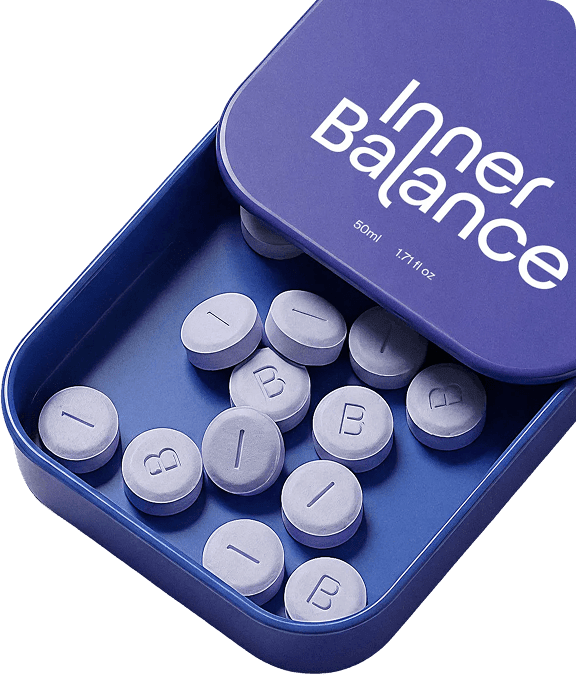
Libida™ is the first women-first libido solution combining bremelanotide and oxytocin—creating a dual-pathway approach that reflects how women’s sexuality actually works.
How Libida™ Works
Bremelanotide is thought to act on melanocortin pathways in the brain involved in sexual desire and arousal, though its exact clinical mechanism in HSDD is not fully established. It supports motivation, sexual thoughts, anticipation, and arousal.
Oxytocin activates bonding and emotional-safety pathways, supporting connection, closeness, emotional readiness, relaxation into intimacy, and relational warmth.
Together, these two compounds address both neurochemical desire AND emotional connection—something no other product provides.
Non-Hormonal and On-Demand: Why Libida™ Stands Out
Key Features That Matter
Unlike maca (which requires weeks of daily use), Libida™ works on demand:
- Route: Tiny sublingual lozenge—no injection needed
- Timing: Take around 45-60 minutes before intimacy
- Duration: Effects may last 24-72 hours
- Compatibility: Non-hormonal, compatible with any hormonal status
This means Libida™ can be used with or without hormone therapy. It’s positioned as the “missing piece” for women whose desire lags even when hormones are optimized—or for women who want targeted support without starting hormone therapy.
Comparing Delivery Methods
The bremelanotide component in Libida™ uses the same active ingredient found in an injectable bremelanotide product, but Libida™ itself is a compounded sublingual formulation prescribed under clinician guidance. Injectable bremelanotide requires self-injection and costs around $250 per use out of pocket.
Libida™ delivers sublingual convenience at approximately $8-$10 per experience, while adding oxytocin-enhanced benefits no injectable option provides.
Libida™ Clinical Insights and Who It’s For
Evidence for the Bremelanotide Component
Clinical trials of bremelanotide (the active ingredient) demonstrate:
- Increased desire and arousal
- More satisfying sexual events
- Reduced distress about sexual function
- Restored fantasies and responsiveness
These benefits were established in trials for premenopausal women with HSDD.
Ideal Candidates for Libida™
Libida™ is designed for women who:
- Identify with “my spark is gone” or “I love my partner, but I never feel like it”
- Have addressed hormonal foundations but desire still feels flat
- Have HSDD or persistent low libido
- Haven’t fully responded to hormone therapy alone
- Want a non-hormonal, on-demand, brain-first option
- Prefer not to use injections
Contraindications: Libida™ is not appropriate during pregnancy, breastfeeding, uncontrolled hypertension, or certain cardiovascular conditions.
Pricing and Access
- One-time purchase: approximately $249 for 10 tablets
- Subscription options starting around $199/month
- HSA/FSA eligible
- Average cost per use: $8-$10 per experience
Frequently Asked Questions
How long does maca take to work for libido, and what dose is effective?
Research shows maca requires 6-12 weeks of consistent daily use at 3.0-3.5g to produce noticeable effects. Lower doses (1.5g daily) were ineffective in clinical trials. Unlike on-demand solutions, maca works through gradual physiological adaptation rather than immediate arousal enhancement.
Can I take maca if I’m on antidepressants?
Maca has been safely combined with SSRIs and SNRIs in clinical trials with no reported interactions. However, inform your provider about all supplements you’re taking before starting any new regimen.
What’s the difference between maca and Libida™ for low libido?
Maca is a daily herbal supplement with modest, gradual effects that works through adaptogenic mechanisms (not hormonal). Libida™ is a prescription, on-demand solution that directly activates brain pathways (dopamine and oxytocin) responsible for desire. Maca may be a reasonable first step; Libida™ offers targeted support when natural approaches aren’t enough.
Is Libida™ safe for postmenopausal women?
Yes. Libida™ is non-hormonal and compatible with any hormonal status. It can be used alone or alongside hormone therapy. Many women find their hormones are optimized but desire still needs additional support—Libida™ addresses this specific gap.
How do I get started with Libida™?
Libida™ requires a prescription because it contains bremelanotide (compounded for off-label use under clinician guidance). Inner Balance offers telehealth consultations with board-certified physicians. After completing a brief health assessment, you’ll receive personalized recommendations and—if appropriate—a prescription shipped directly to your home.


