


Your kitchen might be sabotaging your sex drive without you realizing it. While hormones play a foundational role in female desire, what’s on your plate directly affects blood flow, neurotransmitter production, and the metabolic pathways that govern arousal. For women whose desire feels muted despite addressing hormonal balance, dietary factors often hold the missing piece—and when nutrition alone isn’t enough, targeted brain-based solutions like Libida™ can activate the neurochemical spark that food simply can’t provide.
Key Takeaways
- Sexual concerns are common in women, and diet can be one of several factors that influence desire, arousal, and overall sexual well-being
- Mediterranean-style eating patterns are associated with better overall sexual function and cardiometabolic health, which may support libido over time
- Five critical nutrient deficiencies—iron, vitamin D, zinc, magnesium, and B12—can affect energy, mood, and sexual function
- Processed foods and excess sugar disrupt hormones, reduce nitric oxide availability, and impair blood flow to genital tissues
- When diet optimization isn’t enough, Libida™ targets the brain’s dopamine and oxytocin pathways where female desire actually originates


Understanding the Connection Between Diet and Sex Drive
How Food Affects Female Desire
Female sexuality operates through multiple interconnected systems—hormonal balance, cardiovascular health, neurotransmitter production, and emotional well-being. What you eat influences every single one of these pathways.
Your body requires specific nutrients to produce sex hormones like estrogen, progesterone, and testosterone. Research shows that dietary patterns affect metabolic syndrome markers, cardiovascular function, and the inflammatory processes that either support or suppress sexual desire.
Blood flow matters profoundly for female arousal. Vaginal lubrication depends on healthy blood vessels pushing fluid through capillaries to the vaginal epithelium. Poor diet creates atherosclerotic burden, reduces nitric oxide activity, and directly impairs genital engorgement.
The gut-brain axis can influence mood, inflammation, and overall well-being, all of which can affect sexual interest. But libido is still regulated primarily by the brain, hormones, vascular health, and psychological context—not by gut neurotransmitter production alone.
Why Female Libido Requires a Different Approach
Unlike male sexuality, which responds primarily to physical stimulation and testosterone, female desire involves complex interplay between neurochemical motivation and emotional connection. This is why addressing sexual health requires understanding that desire originates in the brain before it manifests physically.
The hypothalamus—your brain’s control center for sexual motivation—relies on dopamine to spark interest and anticipation. Meanwhile, oxytocin pathways support the bonding and emotional safety that allow women to relax into intimacy. Diet affects both systems through nutrient availability, inflammation levels, and hormone balance.
Foods That Enhance Female Sexual Function
The Mediterranean Diet: Gold Standard for Libido
Clinical research suggests that Mediterranean-style eating may improve overall sexual function, especially in women with cardiometabolic risk factors, likely by supporting vascular health and lowering inflammation.
A 24-month study found that women following Mediterranean-style eating had better overall sexual function scores, although individual domains such as desire and arousal did not all improve significantly on their own.
Core Mediterranean components for libido support:
- Vegetables and fruits: 250-300g fruits and 125-150g vegetables daily provide antioxidants that suppress free-radical generation and enhance nitric oxide activity
- Olive oil: Primary fat source supporting cardiovascular health and hormone production
- Fatty fish: 2-3 servings weekly deliver omega-3s that reduce inflammation and support blood vessel function
- Nuts and seeds: 25-50g daily provide zinc, magnesium, and arginine—necessary for blood vessel dilation
- Whole grains: 400g daily from legumes, rice, corn, and wheat support stable blood sugar and gut health
Specific Foods That Boost Desire
Zinc-rich foods deserve special attention. Postmenopausal women supplemented with zinc showed significantly improved sexual desire, arousal, orgasm, satisfaction, and vaginal moisture—with reduced pain during intercourse. Oysters’ aphrodisiac reputation has genuine scientific basis.
Top zinc sources: Oysters (highest), lobster, chicken, baked beans, chickpeas, pumpkin seeds, mushrooms
Dark chocolate increases nitric oxide vasodilation while providing significant magnesium—15% of your daily value per ounce. The flavonoids support blood flow to genital tissues.
Soy products may benefit vaginal blood flow, lubrication, and tissue health. Phytoestrogen effects combined with anti-inflammatory properties enhance nitric oxide activity. Choose whole soy foods—tofu, tempeh, edamame—rather than isolated supplements.
Apples have been linked in one observational study to better sexual function scores in healthy young women, but that finding does not prove a cause-and-effect relationship.
Beets and leafy greens provide plant nitrates that promote blood vessel health and proper genital blood flow—essential for arousal and lubrication.
Foods That Kill Your Libido: What to Avoid
Processed and Ultra-Processed Foods
The Western dietary pattern—characterized by processed foods, refined carbohydrates, and high sodium—contributes to metabolic syndrome, cardiovascular disease, and sexual dysfunction. These foods are designed to be hyper-rewarding through added fat, salt, and refined carbs—but they produce excessive inflammation that reduces nitric oxide availability and impairs blood flow to genital tissues.
High intake of ultra-processed and fast foods has been linked to poorer metabolic and reproductive health, which can indirectly work against healthy sexual function.
Foods to minimize or eliminate:
- Cookies, ice cream, packaged snacks
- Pizza, frozen dinners, fast food
- Chips, crackers, commercially baked goods
- Sweet coffee drinks, sodas
Excess Sugar and Refined Carbohydrates
Sugar creates a cascade of hormonal disruption that tanks libido through multiple mechanisms. High intake of sugar-sweetened beverages has been associated with lower SHBG levels and poorer metabolic health, both of which can work against hormonal balance. It reduces growth hormone production, increases insulin and cortisol (promoting fat storage and muscle loss), and creates leptin resistance—interfering with the hormone that monitors satiety and sexual behavior.
One can of soda contains approximately 40 grams of sugar—10 teaspoons that exceed your entire recommended daily intake. Regular intake of sugar-heavy drinks can worsen blood sugar control and metabolic health over time.
Refined carbohydrates like white bread, regular pasta, and sugary cereals cause rapid blood sugar spikes that decrease insulin sensitivity and affect SHBG levels.
Artificial Sweeteners
Thinking diet soda is the answer? Think again. Artificial sweeteners are not a proven fix for low libido, and some research has raised concerns about potential effects on mood and overall dietary quality. They are best used cautiously rather than framed as a sexual-health strategy.
Common sources: Diet sodas, “sugar-free” products, artificial sweetener packets, low-calorie processed foods
Saturated and Trans Fats
Diets high in trans fats are associated with poorer cardiovascular and metabolic health, which can also work against healthy sexual function.
These fats impair blood flow to sexual organs, increase cardiovascular disease risk, and promote the inflammatory environment that suppresses desire. Frequent intake of processed meats and heavily saturated-fat-rich foods may contribute to inflammation and cardiometabolic strain, both of which can indirectly affect sexual wellness.
Excessive Alcohol
While one glass might lower inhibitions, excessive alcohol disrupts hormonal balance and reduces testosterone in women. It impairs your body’s ability to regulate insulin, causes dehydration that worsens vaginal dryness, and depresses central nervous system function—making arousal and orgasm more difficult.
The bottom line: Excess alcohol can worsen arousal, lubrication, and orgasm while also increasing dehydration and hormonal disruption, so moderation matters.
Excess Sodium
High sodium intake impairs blood vessel dilation, directly reducing genital arousal. Blood pressure increases while blood flow to sexual organs decreases—including reduced vaginal lubrication. Decreasing sodium intake enhances vessel dilation with direct impact on arousal.
Hidden sodium sources: Canned soups, processed meats, restaurant meals, packaged snacks, frozen dinners
The Nutrient Deficiencies Sabotaging Your Sex Drive
Iron: The Energy Foundation
Iron deficiency affects around 14% of US adults, with higher rates in young women. The impact on libido is direct: iron-deficiency anemia causes fatigue and anxiety—both influential factors in sexual function.
Women with iron-deficiency anemia show significantly lower scores for sexual function and satisfaction. Symptoms include fatigue, shortness of breath, sallow skin, and low libido. If you’re too exhausted for sex, iron status deserves investigation.
Best sources: Oysters, white beans, spinach, lentils, lean red meat, tofu
Vitamin D: The Desire Vitamin
Vitamin D deficiency is common in U.S. adults and may contribute to fatigue, low mood, and poorer overall well-being—factors that can indirectly affect sexual interest and satisfaction.
Vitamin D receptors exist on the uterus and ovaries, directly affecting estrogen production. Correcting a true vitamin D deficiency may help overall health and mood, but it should not be presented as a standalone treatment for low libido.
Best sources: Fatty fish (salmon, tuna), egg yolks, fortified foods, sunlight exposure
Zinc: The Sexual Powerhouse
Zinc is essential for hormone balance and overall sexual function. It’s required for testosterone balance, thyroid hormone production, and immune function—all affecting libido.
The evidence is compelling: postmenopausal women taking zinc supplements showed significantly improved desire, arousal, orgasm, satisfaction, and vaginal moisture while experiencing reduced pain during intercourse.
Magnesium and B12: Supporting Players
Magnesium affects stress response and relaxation—crucial for “getting in the mood.” Associated with testosterone levels and required for hundreds of enzymatic reactions, magnesium deficiency creates a physiological barrier to desire.
Vitamin B12 deficiency leads to fatigue and nerve dysfunction, making arousal more difficult while affecting mood and energy. Addressing low B12 levels improves sexual function by boosting mood, energy, and arousal response.
Optimizing Female Libido: Life Stage Considerations
For Women with PCOS
For women with polycystic ovary syndrome, eating patterns that emphasize fiber-rich carbohydrates, lean protein, unsaturated fats, and fewer refined carbs may improve insulin sensitivity, weight control, and some androgen-related symptoms.
Low-glycemic diets produce greater insulin sensitivity and improved menstrual regularity. Plant protein increases lead to significant weight and BMI reduction.
For Perimenopausal and Menopausal Women
During perimenopause and menopause, estrogen and progesterone decline can lead to vaginal dryness and decreased libido. Mediterranean-style eating remains effective regardless of menopausal status.
Adequate vitamin D supports hormone regulation and mood during this transition. Phytoestrogens from soy may help with symptoms. However, dietary changes work best as support—not as the main treatment. When hormone imbalance is driving low libido, vaginal HRT is often a more effective option than oral or topical approaches because it delivers hormones more directly with more consistent absorption and fewer systemic side effects.
When Diet Isn’t Enough: Targeted Solutions for Low Libido
Recognizing Persistent Low Desire
You’ve cleaned up your diet. You’re eating Mediterranean-style, trying supplements, exercising regularly, and managing stress. Yet the spark still feels missing. You love your partner, but you never feel like it. Your hormones might even be optimized—but desire still feels flat.
This disconnect happens because female desire involves more than metabolic health. The brain’s motivation circuits require specific neurochemical activation that nutrition alone cannot provide.
How Libida™ Addresses Brain-Based Desire
Libida™ represents a fundamentally different approach—targeting the brain where female desire actually originates. This prescription sublingual formulation combines bremelanotide and oxytocin in a dual-pathway approach that no other product provides.
How it works:
- Bremelanotide activates melanocortin receptors (MC4R) in the hypothalamus, boosting dopamine, motivation, sexual thoughts, anticipation, and arousal
- Oxytocin activates bonding and emotional-safety pathways, supporting connection, closeness, emotional readiness, and relaxation into intimacy
This combination addresses both neurochemical desire AND emotional connection—reflecting how women’s sexuality actually works. Unlike approaches designed for male physiology, Libida™ acknowledges that female arousal requires both the spark and the safety to respond to it.
Practical details:
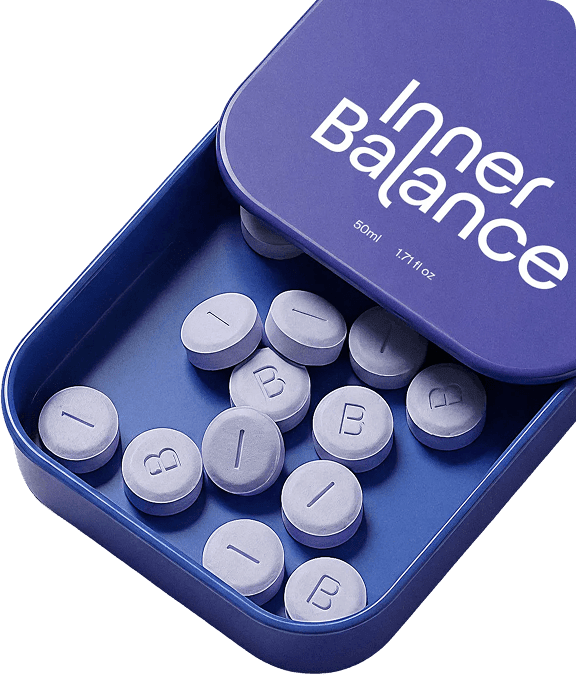
- Tiny sublingual lozenge (no injection needed)
- Take 30-60 minutes before intimacy
- Effects may last 24-72 hours
- Non-hormonal—compatible with any hormonal status
- Can be used with or without hormone therapy
- Contains the same active ingredient used in an injectable treatment for desire, compounded for off-label sublingual use under clinician guidance
At an estimated $8-$10 per experience, Libida™ offers a cost-effective approach compared to injectable alternatives that can cost significantly more per use.
The Comprehensive Approach
The most effective strategy for revitalizing female libido starts with correcting the underlying hormone imbalance, then using nutrition and targeted brain-based support as complementary tools. By eliminating libido-killing foods, emphasizing Mediterranean-style eating, addressing nutrient deficiencies, and—when needed—activating desire pathways with Libida™, women can experience comprehensive sexual wellness.
Diet builds the metabolic, cardiovascular, and hormonal foundation. Libida™ provides the neurochemical spark when that foundation alone isn’t enough.
Frequently Asked Questions
Can certain foods really boost my libido instantly?
While no food provides instant results, certain nutrients support the physiological processes underlying desire. Zinc-rich foods like oysters, dark chocolate for blood flow, and omega-3-rich fish for inflammation reduction all contribute to improved sexual function over time. Most dietary changes show measurable improvements within approximately 8-12 weeks of consistent implementation.
How long does it take for dietary changes to impact sex drive?
Nutrient repletion varies: iron improvements may be felt within 4-8 weeks, vitamin D normalization typically takes 6-8 weeks, and B12 energy improvements often occur within 2-4 weeks. Mediterranean diet studies show sexual function benefits building over 24 months with dose-dependent effects—greater adherence producing better outcomes throughout the study period. For faster results, Libida™ can activate desire pathways within 45-60 minutes.
What’s the difference between natural aphrodisiacs and medical libido treatments?
Dietary aphrodisiacs support the metabolic and hormonal foundations for desire—blood flow, nutrient status, inflammation levels. Medical treatments like Libida™ target specific neurochemical pathways in the brain where desire originates. They work through different mechanisms and can be complementary: food builds the foundation while Libida™ activates the brain circuits that transform that foundation into actual desire.
When should I consider speaking to a doctor about my low sex drive?
Consider professional evaluation for sudden loss of libido, pain with intercourse, inability to achieve orgasm (new onset), associated symptoms like pelvic pain or abnormal bleeding, or no improvement after 12 weeks of dietary optimization. Persistent low desire despite lifestyle changes may indicate the need for targeted interventions like Libida™ that address brain-based factors nutrition cannot reach.
Is low libido in women always a sign of a medical problem?
Not always—but it shouldn’t be dismissed as “normal” either. Desire naturally fluctuates with stress, relationship factors, life circumstances, and hormonal changes. However, when low libido persists and causes distress, it deserves attention. Often, a combination of nutritional optimization, lifestyle adjustments, and targeted support like Libida™ can restore the desire that feels like it’s gone missing.


