




If you’ve been told the only way to restore your sex drive after menopause is another daily medication, you’re not alone—and you’re not stuck with that option. The truth is, up to 50% of postmenopausal women experience decreased libido, yet the most effective solutions often don’t come in a pill bottle at all. Inner Balance offers a comprehensive approach through Oestra™ vaginal hormone therapy and Libida™ on-demand support—both designed to work with your body’s natural systems rather than adding another daily medication to your routine.
Key Takeaways
- Hormone imbalance is the root cause: Low libido during menopause stems from declining estradiol, progesterone, and testosterone—not aging itself
- Vaginal delivery outperforms pills: Vaginal hormone therapy bypasses liver metabolism, achieving significantly better bioavailability than oral forms
- On-demand options exist: Libida™ combines bremelanotide and oxytocin for targeted desire support 45-60 minutes before intimacy—no daily dosing required
- Behavioral interventions work: Mindfulness programs show significant improvements in sexual self-efficacy; pelvic floor training produces large effect sizes for arousal and orgasm
- Real results: According to Inner Balance data, approximately 75% of women using Oestra™ report improved sex drive and arousal, while around 97% experience relief from vaginal dryness


Understanding Why Libido Changes in Menopause
It’s Not Just Hormones—But Hormones Matter Most
Your declining sex drive isn’t a character flaw or inevitable consequence of aging. It’s a predictable response to hormone imbalance that begins years before your final period. During perimenopause treatment, progesterone drops first, followed by erratic estrogen fluctuations and gradual testosterone decline.
These hormonal shifts affect every aspect of sexual function:
- Estradiol maintains vaginal tissue health, lubrication, and blood flow to sexual organs
- Progesterone calms anxiety that can interfere with intimacy
- Testosterone—often overlooked in women—drives desire and arousal
Research confirms that tissue-level hormone deficiency often exists even when blood tests appear “normal.” This explains why so many women feel dismissed by doctors who insist nothing is wrong.
Beyond Physical Symptoms
Hormone imbalance affects far more than vaginal tissue. The hypothalamus—your brain’s command center for sexual desire—contains receptors for estrogen, progesterone, and testosterone. When these hormones decline, the brain pathways that generate desire, arousal, and sexual thoughts become less active.
This is why women often describe feeling “flat” or “disconnected” from their sexuality—the neurological spark simply isn’t firing the way it used to.
Restoring Hormonal Balance Without Daily Pills
Why Vaginal Delivery Changes Everything
If you’ve tried oral hormone therapy and experienced drowsiness, mood swings, or inconsistent results, the delivery method—not the hormone—was likely the problem. Vaginal hormone delivery offers a fundamentally different approach.
When you swallow estrogen or progesterone, your liver metabolizes up to 80% before it reaches your bloodstream. This “first-pass metabolism” creates sedating byproducts and unstable hormone levels. Oral progesterone peaks rapidly, then crashes—causing the rollercoaster effect that makes many women feel worse, not better.
Vaginal delivery bypasses the liver entirely. The vaginal wall’s rich blood supply delivers hormones directly into pelvic circulation, where they can reach reproductive tissues and enter systemic circulation without metabolic destruction.
The Inner Balance Approach: Oestra™
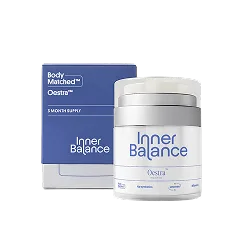
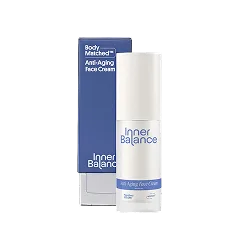
Oestra™ combines bioidentical estradiol and progesterone in a single vaginal cream—replacing the need for multiple products. This isn’t hormone replacement; it’s hormone enrichment that restores what your body used to produce naturally.
The first uterine pass effect means progesterone delivered vaginally reaches your uterus and reproductive organs before circulating elsewhere. This targeted delivery protects the endometrium while providing whole-body benefits.
According to Inner Balance data, remarkable outcomes include:
- Around 97% report improvement in vaginal dryness
- Approximately 75% experience better sex drive and arousal
- An estimated 80% notice improved sleep quality
- Around 79% report improved mental clarity
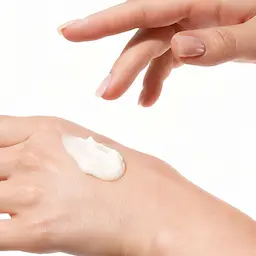
Unlike daily pills that must be timed around meals and other medications, vaginal cream requires just a pearl-sized drop once daily—typically at bedtime. No liver burden, no sedating metabolites, no medication scheduling conflicts.
What About Testosterone?
Here’s something most doctors won’t tell you: progesterone naturally converts to testosterone through your body’s own enzymatic pathways. Rather than adding another hormone directly—with potential side effects like acne or hair loss—supporting progesterone levels allows your body to regulate testosterone production naturally.
The ELITE trial confirmed this approach’s safety and effectiveness over five years, showing improved cardiovascular markers and no increased cancer risk with combined estradiol and vaginal progesterone.
On-Demand Desire Support: Libida™
When Hormones Are Balanced But Desire Still Lags
Even with optimized hormone levels, some women find their desire remains muted. This happens because sexual motivation involves more than hormones—it requires activation of specific brain pathways that may have become dormant over time.
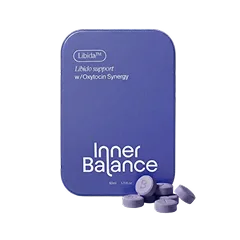
Libida™ addresses this gap with a dual-pathway approach no other product provides. It combines bremelanotide—the same FDA-approved active ingredient found in injectable Vyleesi—with oxytocin, creating targeted neurological support for both desire and emotional connection.
How Libida™ Works in Your Brain
Bremelanotide activates melanocortin receptors (MC4R) in the hypothalamus, boosting dopamine and increasing sexual motivation, arousal, and anticipation. Clinical evidence shows increased desire, more satisfying sexual events, reduced distress, and restored fantasies.
Oxytocin activates bonding and emotional-safety pathways, supporting the connection, closeness, and relational warmth that shape women’s sexuality.
Practical Use: No Daily Commitment
Libida™ is a sublingual lozenge—no injections, no daily pills. Take it 45-60 minutes before intimacy, and effects may last 24-72 hours. This on-demand approach means you use it only when you want to.
Starting at an estimated $199/month on subscription or around $249 for a one-time purchase of 10 tablets, Libida™ costs approximately $8-10 per use—significantly less than Vyleesi injections.
Evidence-Based Behavioral Approaches
Mindfulness: Rewiring Your Brain for Desire
Research reveals something surprising: mindfulness-based programs produce dramatic improvements in sexual function without any medication. An 8-week structured program showed significant improvements in sexual self-efficacy and satisfaction.
Mindfulness works by addressing the “mental distraction” that prevents many women from fully engaging during intimacy. When your mind races with to-do lists or body criticism, arousal becomes impossible—no matter how balanced your hormones are.
Effective protocol:
- Weekly 60-90 minute sessions (group or individual)
- Daily 60-minute home practice
- Self-observation, meditation, and sensate focus exercises
- Sexual mindfulness and partner communication training
Results typically emerge by weeks 4-6, with measurable improvements by week 8. Virtual delivery has been proven effective, making this accessible from home.
Pelvic Floor Muscle Training
Pelvic floor muscle training (PFMT) produces large effect sizes for sexual function—specifically orgasm, arousal, and satisfaction. This isn’t just about preventing incontinence; it’s about strengthening the muscles that contribute directly to sexual sensation.
Effective protocol:
- 12 weeks minimum
- 4 sets of 10 maximal contractions
- Hold each contraction for 6 seconds
- Equal rest time between contractions
- Perform in various positions
One or two sessions with a pelvic floor physical therapist can ensure correct technique. Results begin emerging around week 4, with significant improvements by weeks 8-12.
Movement That Enhances Desire
Not all exercise helps libido equally. Research reveals that high-intensity exercise may actually decrease sexual desire, while walking alone shows minimal libido benefit.
What works:
- Yoga: 45-75 minutes, twice weekly for 12 weeks improves desire, intimacy, and sexual function
- Dancing: 60 minutes, twice weekly for 16 weeks shows significant improvement
- Moderate activity: At least 30 minutes, 5 or more days weekly improves all domains of sexual function
These moderate, enjoyable activities support blood flow to pelvic tissues, enhance body confidence, reduce stress, and boost mood-related neurotransmitters.
Acupuncture: Rapid Results
For women seeking faster improvement, acupuncture studies show dramatic results. A small pilot study using a 5-week, twice-weekly acupuncture protocol reported improvements in sexual-function measures, but evidence is still limited and results may not generalize to everyone—especially across different life stages.
Secondary benefits include:
- Improved arousal
- Better lubrication
- Enhanced orgasm
- Reduced anxiety
The protocol involves 25-minute sessions twice weekly, with 8-20 needles placed on the scalp, neck, lower back, abdomen, elbows, and knees. Cost typically ranges from $75-150 per session. Some insurance plans provide coverage.
Lifestyle Foundations That Support Desire
Sleep: The Foundation of Sexual Function
Poor sleep is among the most commonly cited libido killers in research. Improved sleep quality corresponds with increased sexual desire. Night sweats—a hallmark of hormone imbalance—disrupt sleep quality, creating a cycle of fatigue and reduced libido.
Addressing sleep requires both behavioral strategies (consistent schedule, cool environment, limited screens) and hormonal support. Many women using Oestra™ report that improved sleep is among the first benefits they notice.
Stress: The Desire Killer
Chronic stress elevates cortisol, which directly suppresses sex hormone production and redirects energy away from reproductive function. When your nervous system operates in “fight or flight” mode, intimacy becomes neurologically impossible.
Evidence-based stress reduction includes:
- Mindfulness meditation (5-10 minutes daily)
- Breathing exercises (3-5 minutes, 2-3 times daily)
- Nature exposure (20-30 minutes, 3-5 times weekly)
- Journaling for emotional processing
Benefits typically emerge within 2-6 weeks of consistent practice.
Nutrition for Sexual Vitality
Specific dietary choices support blood flow and hormone production. Nitrate-rich vegetables like leafy greens, beets, and radishes relax blood vessels and improve circulation. Omega-3 fatty acids from fish, flaxseeds, and walnuts support hormone production and reduce inflammation.
Blood sugar stability also matters—balanced meals with protein, healthy fats, and fiber prevent cortisol spikes that interfere with sex hormone function.
Creating Your Personalized Plan
A Combined Approach Works Best
Research consistently shows that combining interventions produces better outcomes than any single approach. Consider this phased strategy:
Phase 1 (Weeks 1-4): Foundation
- Begin Oestra™ for hormonal optimization
- Implement dietary changes and sleep hygiene
- Start daily stress reduction practice (5-10 minutes)
Phase 2 (Weeks 5-12): Active Intervention
- Continue hormonal support
- Add PFMT with initial professional guidance
- Begin yoga or dancing twice weekly
- Consider Libida™ for on-demand support during intimate occasions
Phase 3 (Week 13+): Maintenance
- Sustained hormone therapy
- PFMT 3 times weekly
- Ongoing movement practice
- Libida™ as desired
When to Seek Professional Support
While behavioral approaches help many women, some situations require medical intervention:
- Severe vaginal atrophy causing pain with intimacy
- Persistent symptoms despite 12+ weeks of lifestyle changes
- Suspected hormonal deficiency based on multiple symptoms
- History of hormone-sensitive conditions requiring specialized guidance
Inner Balance offers board-certified physician consultations within 24-48 hours, with prescriptions shipped directly to your home.
Frequently Asked Questions
Can I use Libida™ with hormone therapy?
Yes. Libida™ is non-hormonal and compatible with any hormonal status. It works on brain pathways rather than hormone receptors, making it complementary to—not competitive with—hormone therapy like Oestra™. Many women find that Oestra™ addresses foundational hormonal needs while Libida™ provides targeted support for specific intimate occasions.
How quickly will I see results from vaginal hormone therapy?
Most women notice initial changes within 10-14 days, particularly improved sleep, mood, and vaginal comfort. According to Inner Balance data, around 90% experience improvement in these areas within the first two weeks. Sexual desire and arousal improvements typically become more noticeable by weeks 4-8 as tissue restoration progresses and hormones reach optimal levels.
Are there side effects from combining behavioral interventions with hormone therapy?
Behavioral interventions like mindfulness, pelvic floor training, and yoga have no known negative interactions with hormone therapy. In fact, they work synergistically—hormone therapy addresses physiological barriers while behavioral approaches retrain brain pathways and build sexual skills.
Why doesn’t Inner Balance recommend supplements?
The Menopause Society’s 2022 statement confirms lack of consistent evidence that dietary supplements or herbal remedies effectively treat menopause symptoms. Without FDA oversight, supplements vary wildly in potency and purity. While some herbs show promise in individual studies, the evidence doesn’t support them as primary treatments. Inner Balance focuses on interventions with stronger clinical backing.
Is Libida™ safe for long-term use?
Libida™ contains bremelanotide, the same FDA-approved ingredient in injectable Vyleesi, combined with oxytocin for enhanced emotional connection. It’s not appropriate during pregnancy, breastfeeding, uncontrolled hypertension, or certain cardiovascular conditions. For appropriate candidates, on-demand use allows flexibility without the commitment of daily medication.