


If your desire feels muted or missing, you’re far from alone. 41% of women worldwide experience some form of sexual dysfunction at some point in their lives—and that number climbs even higher during perimenopause, menopause, and times of hormonal transition. Yet most women spend years trying supplements, relationship strategies, and lifestyle changes before realizing that comprehensive support exists.
The truth is, female libido involves complex interactions between hormones, neurotransmitters, blood flow, and emotional connection. While no single food can instantly restore desire, certain dietary choices can provide meaningful support through proven biological pathways. Foods rich in specific nutrients can enhance blood flow to sexual organs, support hormone production, and boost the brain chemicals responsible for arousal and pleasure.
At Inner Balance, we understand that sometimes dietary changes alone aren’t enough—which is why we developed Libida™, the first women-first libido solution that addresses both the neurochemical spark of desire and the emotional pathways that shape female arousal. But food remains an important foundation. Here are 15 foods backed by science that can support your body’s capacity for desire.
Key Takeaways
- Foods work through four main mechanisms: improving blood flow, supporting hormone production, enhancing neurotransmitter activity, and reducing stress hormones
- Mediterranean diet patterns consistently correlate with improved female sexual function in a dose-dependent manner
- Blood flow enhancement (via nitric oxide) is the primary mechanism for many libido-supporting foods like watermelon and dark chocolate
- Zinc-rich foods support both testosterone production and dopamine levels—critical for desire
- Nutrient deficiencies in vitamin D and iron are identified risk factors for sexual dysfunction in women
- Dietary support provides a foundation, but when desire remains flat, brain-based treatments like Libida™ target where female desire actually originates
- Combining dietary approaches with targeted solutions offers the most comprehensive results


1. Dark Chocolate: Mood and Blood Flow
Dark chocolate earns the top spot for good reason. It works through multiple pathways simultaneously—something rare in libido-supporting foods. The flavonoids in cacao increase nitric oxide-mediated vasodilation, meaning blood vessels relax and circulation improves throughout the body, including to sexual organs.
The Science
Beyond blood flow, dark chocolate contains phenylethylamine (PEA), a compound that triggers endorphin release similar to the neurochemical response during arousal. It also stimulates dopamine production in the brain’s pleasure centers—the same pathways activated by desire itself.
How to Use It
- Choose chocolate with 70% or higher cacao content
- One to two ounces daily provides sufficient flavonoids without excessive sugar
- Pair it with strawberries or pomegranate for synergistic effects
- Some women notice mood improvements within days
- Blood flow benefits accumulate over weeks
- Dark chocolate uniquely combines cardiovascular benefits with brain chemistry support, making it the most versatile libido food available
2. Apples: Lubrication Support
You might not expect apples on a libido list, but research tells a compelling story. A study found that daily apple consumption is associated with improved vaginal lubrication and general sexual function in women—making this humble fruit surprisingly powerful.
The Science
Apples contain quercetin, a flavonoid that optimizes blood flow and supports nutrient delivery to vaginal tissues. Their high polyphenol and phytoestrogen content may also support estrogen receptor activity. Plus, the fiber helps reduce bloating that can interfere with feeling desirable.
How to Use It
- Eat one medium apple daily, with the skin on for maximum flavonoid content.
- Red apples tend to have higher antioxidant levels.
- Eat them fresh rather than juiced to retain fiber benefits.
- Clinical research showed results with consistent daily consumption.
Apples offer specific evidence for female sexual function improvement, particularly for lubrication—a benefit few other foods can claim.
3. Watermelon: Blood Flow Support
Watermelon has earned the nickname “nature’s Viagra” for its blood flow effects. Unlike the pharmaceutical, watermelon works through a natural pathway that benefits your entire cardiovascular system while supporting genital arousal.
The Science
Watermelon is a rich source of citrulline, an amino acid your body readily converts to L-arginine, which then becomes nitric oxide—the molecule that relaxes blood vessels and increases circulation. This mechanism parallels how certain arousal medications work. Interestingly, the rind contains even more citrulline than the flesh.
How to Use It
- One to two cups of fresh watermelon provides meaningful citrulline.
- For adventurous eaters, blend the rind into smoothies for maximum benefit.
- Watermelon juice concentrates the effect.
- It is best consumed regularly rather than just before intimacy for sustained cardiovascular support.
Watermelon may support healthy blood flow through natural citrulline-driven nitric oxide pathways, but its effects are much milder than prescription treatments.
4. Salmon and Fatty Fish: Hormone and Circulation
Fatty fish like salmon deliver a powerful one-two combination. The omega-3 fatty acids support cardiovascular health, while the vitamin D content matters because low vitamin D levels have been linked with sexual dysfunction in some women.
The Science
Research confirms that omega-3 fatty acids support cardiovascular health and circulation. Equally important, low vitamin D in women is linked to reduced libido, decreased sexual satisfaction, and less satisfying orgasms. Salmon provides one of the few dietary sources of this critical nutrient.
How to Use It
- Eat two to three servings weekly of wild-caught salmon, sardines, mackerel, or herring.
- Baked or grilled preparations preserve omega-3 content better than frying.
- Pair with leafy greens for enhanced absorption of fat-soluble vitamins.
- Salmon supports overall cardiovascular health and provides vitamin D, making it a useful part of a libido-supporting diet.
5. Saffron: Clinically Proven Arousal
Saffron stands out because it has specific clinical trial evidence in women—something remarkably rare for any libido-supporting food or supplement. The research is particularly relevant for women taking antidepressants.
The Science
In a clinical study, women on antidepressants taking 30mg of saffron daily experienced significantly greater sexual arousal and increased vaginal lubrication compared to placebo. Saffron may support mood and sexual function through effects on brain signaling, though its exact mechanisms are not fully established.
How to Use It
- A pinch of saffron threads (30 mg) steeped in warm water, milk, or rice provides therapeutic benefits.
- Saffron is expensive but concentrated—a little goes far.
- Research studies showed results with consistent daily use within four weeks.
Saffron offers documented clinical evidence specifically for female arousal improvement, especially for women managing medication side effects.
6. Maca Root: Ancestral Energy
This Peruvian root has been used for centuries to enhance fertility and libido. Modern research is catching up to ancestral wisdom, showing particular promise for women experiencing medication-related desire issues.
The Science
A 12-week study found that many participants taking 1,500-3,000 mg of maca daily reported increased libido. Research also suggests maca may have potential for treating antidepressant-induced sexual dysfunction in postmenopausal women. Maca is packed with iron and iodine, supporting energy and immune function.
How to Use It
- Take one to three grams daily as powder mixed into smoothies, coffee, or baked goods.
- Start with lower doses and increase gradually.
- It is available in gelatinized form for easier digestion.
- Allow 4–8 weeks for noticeable effects.
Maca provides ancestral wisdom supported by modern clinical evidence, particularly for energy and medication-related desire challenges.
7. Oysters: The Zinc Powerhouse
Oysters’ reputation as an aphrodisiac dates back centuries—and modern science validates the legend. Their extraordinary zinc content directly supports the hormones and neurotransmitters behind desire.
The Science
Just three ounces of oysters contain the zinc equivalent of a 25mg supplement dose. Zinc improves testosterone production (yes, women need testosterone too) and increases dopamine—the pleasure neurotransmitter essential for desire.
How to Use It
- Eat six oysters weekly for substantial zinc intake.
- Fresh, raw oysters preserve maximum nutrition, though cooked oysters remain beneficial.
- Pair them with lemon for enhanced zinc absorption.
- Not an oyster fan? Crab, shrimp, and lobster also provide meaningful zinc.
Oysters deliver more zinc per serving than any other food, directly supporting the hormones and neurotransmitters driving female desire.
8. Leafy Greens: Nutrient Foundation
Spinach, kale, arugula, and other leafy greens provide the nutritional foundation that makes other libido-supporting efforts more effective. These vegetables support overall sexual health by helping correct nutrient gaps that can quietly contribute to fatigue, low energy, and reduced interest in sex.
The Science
Leafy greens are high in folate, a B vitamin shown to improve ovulation and reproductive function. They’re also iron-rich—important because iron deficiency is a common and overlooked cause of low libido. Additionally, arugula has a long history in traditional aphrodisiac lore, though modern evidence is limited.
How to Use It
- Eat two to three cups daily of mixed greens.
- Rotate varieties for different nutrient profiles.
- Cook with healthy fats, such as olive oil, to enhance absorption of fat-soluble vitamins.
- Add them to smoothies for easy consumption.
Leafy greens address foundational nutritional deficiencies that silently undermine desire.
9. Chili Peppers: Circulation Activator
Chili peppers bring heat to more than just your taste buds. The capsaicin responsible for their spice creates measurable physiological effects that support arousal.
The Science
Capsaicin may improve sexual libido by increasing blood flow and enhancing overall vascular health. This improved circulation has positive indirect effects on blood flow to genitals. Capsaicin also triggers endorphin release and increases heart rate—mimicking some aspects of arousal.
How to Use It
- Add fresh or dried chili peppers to meals based on your spice tolerance.
- Even small amounts provide capsaicin benefits.
- Start gradually if you are not accustomed to spicy food.
- Cayenne, jalapeño, and serrano peppers all work.
Chili peppers leverage the pleasure-pain connection to boost endorphins while enhancing circulation.
10. Pomegranate: Antioxidant Support
Pomegranate appears in romantic literature throughout history for good reason. Modern research suggests this fruit supports the physical aspects of female desire through antioxidant pathways.
The Science
Pomegranate is filled with antioxidants that may support vascular health. Research on pomegranate’s hormone effects shows mixed findings—one study in women with PCOS found testosterone decreased rather than increased. Pomegranate provides antioxidants that may support vascular health, but hormone findings are mixed, and it should not be presented as a reliable way to raise testosterone in women. It may help lower cortisol levels, reducing stress—a major libido inhibitor.
How to Use It
- Drink eight ounces of pomegranate juice daily or eat one cup of fresh seeds.
- Choose 100% juice without added sugars.
- The seeds (arils) provide fiber and full nutritional benefits.
- Consistent consumption over several weeks shows the best results.
Pomegranate addresses the stress-desire connection through antioxidant support.
11. Ginseng: Adaptogenic Support
Ginseng has been used in Traditional Chinese Medicine for thousands of years to enhance vitality and sexual function. Recent clinical research has explored these traditional uses.
The Science
A small clinical study found improvements in sexual function with ginseng use, but the results were not clearly better than placebo. Ginseng promotes nitric oxide production, supporting blood flow similarly to dark chocolate and watermelon. It’s also an adaptogen, helping your body manage stress more effectively.
How to Use It
- Follow supplement dosage recommendations, typically 1–3 grams daily.
- It is available at most health food stores and online.
- Choose standardized extracts for consistent potency.
- Allow 4–8 weeks for full effects to emerge.
Ginseng combines blood flow benefits with stress adaptation—a powerful combination for desire.
12. Avocado: Hormone-Building Fats
The Aztecs named the avocado tree “ahuacatl” (testicle tree) due to how the fruit hangs in pairs. Beyond the suggestive appearance, avocados provide serious nutritional support for hormone production.
The Science
Avocados are packed with heart-healthy fats, vitamin B6, and folic acid that fuel your body and increase energy. Vitamin B6 specifically helps hormone production—essential for maintaining a healthy sex drive. The healthy fats provide building blocks for steroid hormones including estrogen, progesterone, and testosterone.
How to Use It
- Eat half to one avocado daily.
- Add it to salads, smoothies, or toast.
- Avocado oil works for cooking at higher temperatures.
- Combine it with other hormone-supporting foods for synergistic effects.
Avocados provide the raw materials your body needs to produce the hormones underlying desire.
13. Fenugreek: Female Libido Support
Fenugreek deserves special attention because it has clinical trial evidence specifically examining female libido—something many herbs lack entirely.
The Science
An eight-week study of 80 women with low libido found that 600mg of fenugreek daily significantly improved sexual desire and arousal compared to placebo. Research shows the herb can improve libido by positively impacting testosterone levels. Fenugreek may influence hormone-related pathways involved in sexual desire, though more research is needed to clarify exactly how it works.
How to Use It
- Take 600 mg daily as a supplement based on clinical research.
- It is also available as a cooking spice or tea.
- Follow supplement label instructions for consistent dosing.
- Effects emerge over several weeks of consistent use.
Fenugreek offers rare female-specific clinical evidence for desire and arousal improvement.
14. Nuts and Seeds: Zinc and Omega-3
Almonds, walnuts, pumpkin seeds, and cashews provide an accessible way to support desire daily. Their combination of zinc, omega-3s, and arginine creates multi-pathway benefits.
The Science
Zinc-rich foods that help boost libido include almonds, cashews, pumpkin seeds, and peanuts. Walnuts additionally provide omega-3 fatty acids essential for hormone balance. Many nuts contain arginine, which supports nitric oxide production.
How to Use It
- Eat a quarter cup (one handful) daily of mixed nuts and seeds.
- Raw or dry-roasted preserves nutrients better than oil-roasted.
- Pumpkin seeds are particularly zinc-rich.
- Keep portions handy for easy snacking.
Nuts and seeds provide the most convenient daily support for zinc and healthy fats that underlie desire.
15. Figs: Ancient Fertility Fruit
Figs have been associated with fertility and sexuality since Ancient Greece. Their iron content provides specific support for reproductive health that connects to libido.
The Science
Figs contain iron, which matters for energy and overall reproductive health, especially because low iron can contribute to fatigue that dampens desire. Iron deficiency causes fatigue and reduced desire—making iron-rich foods essential for baseline libido support. Figs also provide fiber and natural sugars for sustained energy.
How to Use It
- Eat two to three fresh figs daily when in season.
- Dried figs provide concentrated nutrition year-round.
- Add them to yogurt or salads, or enjoy them on their own.
- Combine them with nuts for a powerful libido-supporting snack.
Figs connect ancient aphrodisiac tradition with modern understanding of iron’s role in female reproductive health.
Libida™: When Foods Aren’t Enough
While the foods below provide important nutritional support, female desire ultimately begins in the brain—not the plate. If you’ve optimized your diet and still feel disconnected from desire, the issue likely involves neural pathways that food alone cannot address.
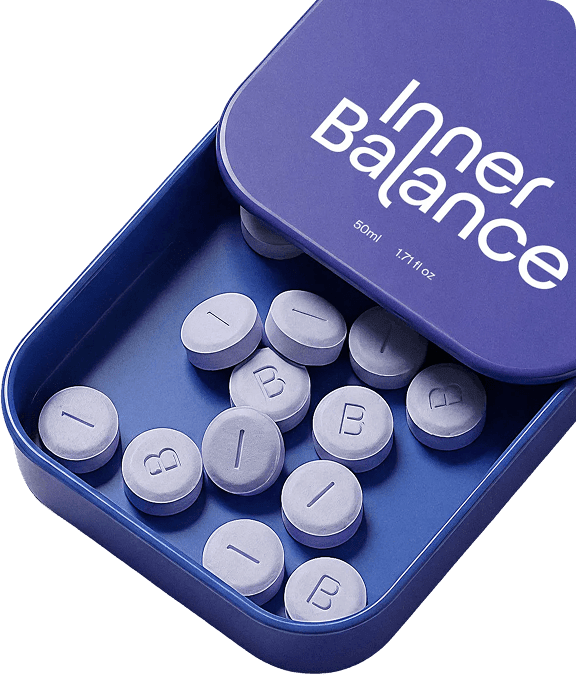
This is exactly why Inner Balance developed Libida™—the first women-first libido solution combining bremelanotide and oxytocin in a simple sublingual tablet.
How Libida™ Works Differently
Unlike foods that support desire indirectly, Libida™ targets the brain pathways where female arousal actually originates:
- Bremelanotide activates melanocortin receptors (MC4R) in the hypothalamus—boosting dopamine, motivation, sexual thoughts, and anticipation
- Oxytocin activates bonding and emotional-safety pathways—supporting connection, closeness, and relaxation into intimacy
Together, they address both neurochemical desire AND emotional connection—reflecting how women’s sexuality actually works.
What Makes Libida™ Unique
- On-demand use: Take 30-60 minutes before intimacy (not daily pills)
- Long-lasting effects: May last 24-72 hours
- No injections: Sublingual tablet vs. competitor injectables
- Non-hormonal: Compatible with any hormonal status
- Contains active ingredient: Same bremelanotide used in treatments, in convenient sublingual form
Libida™ Pricing
Available as one-time purchase or subscription:
- One-time purchase: $249 for 10 tablets
- Subscription options: $199 monthly for 10 tablets, $249 every 2 months for 20 tablets (charged as $279 every 2 months), or $299 every 3 months for 30 tablets
Starting with a subscription provides the most cost-effective option. Libida™ offers a targeted solution when dietary support alone isn’t enough.
The most effective approach combines nutritional foundations with targeted support when needed. Your desire deserves both.
Frequently Asked Questions
How quickly can I expect dietary changes to affect my libido?
Most women notice subtle improvements in energy and mood within one to two weeks of consistent dietary changes. Blood flow improvements from foods like dark chocolate and watermelon may take two to four weeks of regular consumption. For foods requiring hormone pathway effects (like fenugreek or maca), clinical studies show results at four to eight weeks. Unlike targeted treatments like Libida™, which works within 45-60 minutes, dietary changes provide gradual, foundational support rather than immediate effects.
Can these foods replace treatment for persistent low libido?
Foods provide important nutritional support but cannot replace targeted treatment when desire issues persist. If you’ve optimized your diet for several months without meaningful improvement, the issue likely involves brain pathways or hormonal factors that food alone cannot address. Libida™ specifically targets the hypothalamus where female desire originates—something no food can do. Many women find the best results come from combining dietary foundations with targeted solutions for comprehensive support.
Are there foods I should avoid if I’m trying to boost libido?
Yes. Highly processed foods, excessive alcohol, and high-sugar diets can impair blood flow and hormone balance. Trans fats interfere with hormone production. Excessive caffeine may increase stress hormones that suppress desire. Focus on whole foods—particularly those following Mediterranean diet patterns—while limiting processed options. If you’re taking medications, check for interactions with herbs like fenugreek or ginseng before adding supplements.
What’s the difference between Libida™ and trying these foods?
Foods support libido indirectly by providing nutrients your body uses for blood flow, hormones, and neurotransmitters. Libida™ works directly on brain pathways—bremelanotide activates dopamine and motivation centers while oxytocin supports emotional connection and bonding. Foods require consistent daily consumption over weeks; Libida™ works on-demand within 45-60 minutes with effects lasting 24-72 hours. Foods are foundational; Libida™ is targeted treatment for when foundations aren’t enough.
How do I know if my low libido is diet-related or something more?
Consider whether you also experience fatigue, mood changes, stress, or relationship factors affecting desire. If you eat a processed diet, rarely consume the foods on this list, or have known nutrient deficiencies (iron, vitamin D, zinc), dietary changes may help significantly. However, if your diet is already healthy and desire remains flat—or if you identify with feeling disconnected from desire despite loving your partner—the issue likely involves brain-based pathways. Inner Balance can help determine whether Libida™ might be the missing piece for your situation.


