


Surgical menopause doesn’t gradually dim your hormones—it switches them off overnight. Within days of losing your ovaries, your body faces a 50% drop in testosterone on top of sudden estrogen and progesterone loss, leaving desire feeling like a distant memory rather than a natural part of who you are. But loss of libido after oophorectomy isn’t something you simply accept—it’s a hormonal gap that bioidentical hormone therapy can address at its root cause.
Key Takeaways
- Surgical menopause is different: Unlike natural menopause’s gradual decline, surgical removal of ovaries causes immediate, severe hormone loss—including 50% of your testosterone production
- Desire requires multiple pathways: Restoring estrogen and progesterone creates the foundation, but many women need targeted support for the neurological “spark” of desire
- Vaginal delivery offers superior absorption: Bioidentical hormones delivered vaginally bypass liver metabolism, achieving significantly better bioavailability than oral pills
- Brain-based solutions exist: When hormones alone aren’t enough, dual-pathway approaches targeting both dopamine and oxytocin can reignite desire
- Most women report improvement: Internal data shows approximately 97% of women using comprehensive vaginal hormone therapy experience significant relief from dryness, while around 75% report improved desire and arousal


Understanding Surgical Menopause and Its Impact on Desire
The Hormonal Cascade: Why Surgery Changes Everything
When both ovaries are removed—whether for BRCA gene mutations, endometriosis, cancer prevention, or other conditions—your body loses its primary hormone production center instantly. This isn’t the same as natural perimenopause, where hormones decline gradually over years.
The difference matters enormously for desire. Your ovaries produce approximately half your testosterone, the hormone most directly linked to sexual motivation and drive. Studies show women experience more severe symptoms and more pronounced libido loss compared to those who transition naturally.
Estrogen and progesterone losses compound the problem:
- Estrogen supports vaginal tissue health, natural lubrication, and blood flow to genital tissues
- Progesterone—a critical hormone for your body—influences mood stability, sleep quality, and overall sense of well-being
Without these hormones working together, the physical capacity for arousal diminishes alongside the mental interest in intimacy.
Beyond the Physical: Emotional and Psychological Impact
Surgical menopause often affects younger women—many in their 30s and 40s—who didn’t expect to face hormone loss so soon. The psychological weight of early menopause, potential fertility loss, and sudden aging concerns creates additional barriers to desire.
Research confirms that sexual dysfunction after oophorectomy involves both biological and psychological components. Physical symptoms like vaginal dryness and pain make sex uncomfortable, while emotional factors—feeling disconnected from your body, grief over early menopause, relationship strain—further suppress desire.
Bioidentical Hormone Therapy: Your Foundation for Recovery
Why Bioidentical Matters
Not all hormone therapy is created equal. Synthetic hormones differ structurally from what your body naturally produces, binding inconsistently to receptors and metabolizing unpredictably. Bioidentical hormones, derived from plant sources and molecularly identical to human hormones, work with your body’s existing systems.
For women after surgical menopause, bioidentical estradiol and progesterone form the essential foundation:
- Estradiol restores vaginal tissue health, improves lubrication, reduces pain during intimacy, and supports overall arousal capacity
- Progesterone calms the nervous system through GABA enhancement, improving sleep, stabilizing mood, and reducing anxiety
Together, these hormones restore the hormonal environment your body needs to function optimally.
The Vaginal Delivery Advantage
How you receive hormones matters as much as which hormones you take. Oral progesterone and estrogen face a brutal metabolic journey: your liver converts up to 80% into metabolites before they reach your tissues. These byproducts cause sedation, mood instability, and the “hungover” feeling that makes many women abandon oral therapy.
Vaginal delivery bypasses this problem entirely, offering:
- More active hormone reaching target tissues
- Consistent 24-hour levels without peaks and crashes
- Fewer sedating metabolites
- Lower doses needed for therapeutic effects
Oestra™ combines bioidentical estradiol and progesterone in a single vaginal cream, delivering both hormones through this superior route. Internal data shows approximately 97% improvement in vaginal dryness, around 80% better sleep, and roughly 79% improved mental health.
The First Uterine Pass Effect
Vaginal delivery offers another unique advantage: the first uterine pass effect. Hormones placed in the upper vagina preferentially reach the uterus before circulating elsewhere, creating higher tissue concentrations exactly where they’re needed most.
For women with an intact uterus, this targeted delivery provides superior endometrial protection. The five-year ELITE trial confirmed that vaginal progesterone combined with estradiol showed no increased cancer risk while delivering cardiovascular benefits.
When Hormones Alone Aren’t Enough: Targeting Persistent Low Desire
The Missing Piece
Even with optimal hormone restoration, some women find desire remains stubbornly muted. Hormones create the foundation—improving tissue health, reducing pain, stabilizing mood—but sexual desire involves more than hormonal balance. It requires activation of specific brain pathways that generate motivation, anticipation, and emotional readiness for intimacy.
Hypoactive Sexual Desire Disorder (HSDD) affects millions of women and is characterized by persistently low desire that causes personal distress. It’s a neurological pattern that requires targeted intervention beyond hormone therapy.
Understanding Women’s Desire: It’s Not Just Physical
Women’s sexuality operates differently than conventional medicine assumed. Desire isn’t simply a physical response to stimulation—it involves neurochemical pathways governing motivation and reward alongside emotional and relational factors that create safety and openness.
Libida™: A Dual-Pathway Approach to Rekindling Desire
The Science of Brain-Based Desire Support
Libida™ represents a fundamentally different approach to low libido. Rather than adding more hormones, it targets the brain pathways where female desire actually originates, combining two active compounds:
Bremelanotide activates melanocortin receptors (MC4R) in your hypothalamus—the brain region governing sexual behavior. This activation:
- Boosts dopamine and motivation
- Increases sexual thoughts and anticipation
- Enhances arousal and responsiveness
- Reduces distress around intimacy
Oxytocin, the “bonding hormone,” activates emotional-safety pathways that support:
- Connection and closeness
- Emotional readiness for intimacy
- Relaxation and trust
- Relational warmth
This combination reflects how women’s sexuality actually works—requiring both the neurochemical drive and the emotional conditions for desire to flourish.
On-Demand Convenience Without Needles
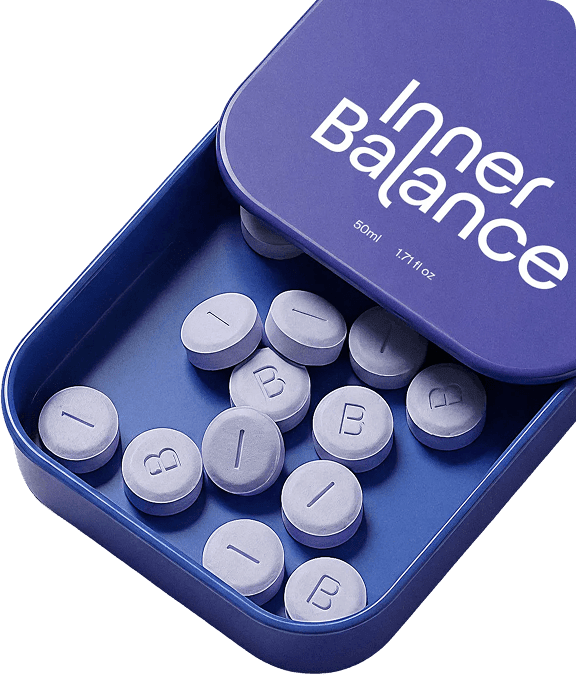
Unlike injectable options that require refrigeration and self-injection, Libida™ comes as a tiny sublingual lozenge placed under the tongue 45-60 minutes before intimacy. Effects may last up to 72 hours, offering flexibility without daily dosing.
This format means:
- Use it only when you want to
- No daily commitment
- No needles or complicated timing
- Around $8-10 per experience
Compatible with Hormone Therapy
Libida™ is non-hormonal, meaning it works alongside Oestra™ or any other hormone therapy without interaction concerns. For women whose desire remains flat despite optimized hormones, this combination addresses both the foundational hormonal imbalance and the neurological pathways that generate wanting.
Personalized Care Through Telehealth: The Inner Balance Approach
Expert Care Without the Wait
Finding a menopause specialist who understands surgical menopause can mean months-long waits. Telehealth changes this equation entirely.
Inner Balance provides access to board-certified physicians specializing in women’s hormonal health, licensed across all 50 states:
- Initial consultations via video within days
- Prescriptions delivered within 24-48 hours of approval
- Ongoing adjustments through messaging and follow-up appointments
- No office visits required for routine care
Research confirms around 70% of women are satisfied with telehealth menopause appointments.
Symptom-Based Treatment, Not Lab-Dependent Care
Inner Balance’s approach prioritizes how you feel over numbers on a lab report. Your care team tracks symptoms: Are you sleeping better? Is your mood more stable? Has desire returned? These real-world improvements guide dose adjustments, ensuring treatment serves your actual experience.
Addressing Skin Changes: The External Impact of Hormone Loss
Surgical menopause doesn’t just affect desire—it visibly accelerates skin aging. Estrogen supports collagen production, skin thickness, and hydration. Without it, women notice rapid changes: increased wrinkles, sagging, dryness, and loss of radiance.
BodyMatched™ Anti-Aging Face Cream addresses hormonally aging skin with bioidentical estriol and clinically proven anti-aging compounds. Clinical data shows approximately 61-100% improvement in skin elasticity and firmness.
What to Expect: Your Timeline to Recovery
Weeks 1-4: Foundation Building
Hormone therapy effects begin quickly:
- Hot flashes reduce within two weeks
- Vaginal dryness improves as tissues respond to estrogen
- Sleep quality stabilizes as progesterone supports GABA pathways
- Breast tenderness or light spotting may occur (normal adjustments)
Desire changes take longer. The physical conditions for comfortable intimacy are improving, but neurological patterns need time—or targeted support—to shift.
Weeks 4-12: Optimization
By week six, most women see maximum improvement in hot flashes. Sleep continues improving. Energy returns. First follow-up appointments happen during this period, with dose adjustments based on symptom response.
For women whose desire hasn’t returned despite improved physical symptoms, this is when adding Libida™ makes sense.
Month 3 and Beyond: Full Recovery
Clinical trials show peak testosterone effects on desire at 12 weeks. Women using comprehensive hormone restoration report meaningful improvements in intimacy and connection.
Long-term benefits extend far beyond desire, including cardiovascular improvements, bone density preservation, and cognitive protection.
Frequently Asked Questions
Can I restore desire after surgical menopause, or is it gone permanently?
Desire is absolutely recoverable. The hormonal foundation (estrogen, progesterone, and sometimes testosterone) addresses physical capacity for arousal and mood stability. For women who need more, brain-based solutions like Libida™ target the neurological pathways where desire originates. Most women see meaningful improvement within 8-12 weeks of comprehensive treatment.
How is Libida™ different from other libido products?
Libida™ is the only product combining bremelanotide (which activates dopamine and motivation pathways) with oxytocin (which supports emotional connection). This dual-pathway approach reflects how women’s desire actually works. It’s also sublingual—a tiny lozenge under your tongue—rather than an injection. At around $8-10 per use, it’s also highly cost-effective.
Is it safe to use Libida™ alongside hormone therapy?
Yes. Libida™ is non-hormonal and works through different mechanisms than estrogen and progesterone. It’s designed as a complementary solution for women whose desire needs more than hormone restoration alone.
How long should I continue hormone therapy after surgical menopause?
Medical guidelines recommend continuing HRT until at least age 51 (average natural menopause age) if surgery occurred before then. After 51, the decision is individualized based on ongoing symptoms and quality of life. Many women continue well beyond 51 when benefits remain clear.
What if I’ve been told I can’t use hormones due to cancer risk?
For women under 50, hormone therapy does not increase breast cancer risk compared to women with functioning ovaries. BRCA mutation carriers can typically use HRT safely until age 50-51. If you have a personal history of hormone-dependent cancer, Inner Balance providers can discuss your unique situation, including non-hormonal options like Libida™.


