


Up to 50% of postmenopausal women experience low libido—and if you’re searching for answers, DHEA supplements have likely crossed your radar. The logic seems straightforward: DHEA converts to testosterone and estrogen, so boosting it should restore desire, right? Science tells a more complex story. While DHEA successfully raises hormone levels, clinical evidence shows mixed results for improving libido. That’s because female desire is primarily brain-based, not just hormone-based. For women seeking real solutions, Libida™ offers a fundamentally different approach—targeting the neurological pathways where desire actually originates.
Key Takeaways
- DHEA raises hormones but not reliably desire: Meta-analyses show DHEA increases testosterone and estradiol, yet evidence for libido improvement remains mixed and inconsistent
- Intravaginal DHEA is approved for painful intercourse and may also improve some aspects of sexual function, but its clearest benefit is relief of vulvovaginal discomfort
- Female desire is brain-first: The disconnect between rising hormones and unchanged libido reveals that central nervous system activation matters more than peripheral hormone levels
- Brain-based solutions address the actual problem: Libida™ combines bremelanotide (dopamine/motivation) + oxytocin (bonding/connection) to activate both neurochemical desire and emotional readiness
- On-demand beats daily dosing: Rather than waiting months hoping DHEA works, Libida™ provides results in 45-60 minutes with effects lasting 24-72 hours


Understanding DHEA: The Hormone Precursor
What DHEA Does in Your Body
Dehydroepiandrosterone (DHEA) is produced primarily by your adrenal glands and serves as a precursor hormone—your body converts it into other hormones including testosterone and estrogen. Different organs take only what they need, theoretically minimizing overdose risk compared to direct hormone supplementation.
DHEA levels peak in your mid-20s, with gradual decline beginning around age 30-35. By age 70-80, most women retain only 10-20% of their peak levels. This decline is age-related—not menopause-related—an important distinction often overlooked.
The Logic Behind DHEA for Libido
The reasoning seems sound: if declining DHEA means less testosterone and estrogen production, and these hormones influence sexual function, then supplementing DHEA should restore desire. Some research shows DHEA can successfully raise postmenopausal testosterone concentrations.
But multiple clinical trials reveal a troubling pattern—hormones rise, yet libido often doesn’t follow.
What Clinical Research Actually Shows About Oral DHEA
The Meta-Analysis Verdict
The clinical evidence presents a mixed picture. A 2022 systematic review of 23 trials found no significant improvement in sexual function among postmenopausal women with normal adrenal function, with evidence quality rated low due to inconsistency and imprecision. However, a larger Cochrane review of 28 randomized controlled trials suggested DHEA may slightly improve overall sexual function compared to placebo, though evidence remains limited and inconsistent.
The Cleveland Clinic’s review stated plainly: “Systemic DHEA therapy has NOT been shown to improve symptoms of sexual dysfunction in women who have normal adrenal function.”
Who Might Actually Benefit
Some smaller studies have suggested DHEA may help select women with very poor baseline sexual function, but those findings are not strong or specific enough to show reliable benefit for postmenopausal women overall.
The takeaway? For women with mild to moderate desire changes—the majority seeking solutions—evidence suggests waiting months for inconsistent results.
Side Effects Worth Considering
DHEA’s androgenic effects present real concerns. Clinical trials report acne in 7% of users versus 4.7% with placebo, and hirsutism (unwanted hair growth) in 10.7% versus 6.6% with placebo. Other reported effects include oily skin, scalp itching, and mood changes.
The Endocrine Society guideline recommends against generalized DHEA use in women, citing inadequate indications and lacking evidence for efficacy and long-term safety.
Intravaginal DHEA: A Different Story
FDA-Approved for Dyspareunia
Intravaginal DHEA (prasterone, brand name Intrarosa) earned FDA approval in 2016 for treating moderate to severe painful intercourse due to genitourinary syndrome of menopause. Unlike oral DHEA, this localized approach has strong clinical support.
The vaginal route allows DHEA to convert to testosterone and estrogen within vaginal tissues, improving moisture, blood flow, tissue integrity, and nerve density. Clinical trials for FDA-approved intravaginal DHEA have demonstrated significant improvements in vaginal tissue health, increases in lubrication, and meaningful reductions in pain during intercourse.
The Comfort vs. Desire Distinction
Intravaginal DHEA works beautifully for physical comfort during sex. Women experience less pain, better lubrication, and restored tissue health. It may improve desire for some women, but its most established role is treating vulvovaginal atrophy and painful sex rather than serving as a primary libido treatment.
If your libido is low because sex hurts, vaginal DHEA addresses that barrier effectively. But if physical comfort isn’t the issue—if your body works fine but you simply never feel interested—vaginal DHEA targets a different problem.
Why Hormones Alone Don’t Restore Desire
The Brain-Based Reality of Female Sexuality
The disconnect between rising hormone levels and unchanged libido reveals something fundamental: desire originates in your brain, not just your ovaries or adrenal glands.
Female sexual response involves two distinct systems:
Peripheral system:
- Hormone production
- Genital tissue health
- Vaginal lubrication
- Pelvic blood flow
Central nervous system:
- Hypothalamic activation
- Dopamine reward pathways
- Melanocortin receptors
- Limbic emotional centers
- Oxytocin bonding circuits
DHEA targets the peripheral system—hoping raised hormone levels will somehow signal your brain to feel desire. But in postmenopausal women, the primary problem is often central, not peripheral.
Research Confirms the CNS Gap
A 52-week Australian trial showed no improvement in sexual function, well-being, or menopausal symptoms despite 50mg daily DHEA raising hormone levels. This explains why women already on hormone therapy sometimes still experience low desire. Their peripheral hormones are optimized, but brain pathways responsible for motivation remain quiet.
Brain-Based Solutions: How Libida™ Works Differently
Targeting Where Desire Actually Originates
Libida™ represents a fundamentally different approach. Rather than raising peripheral hormones and hoping they reach your brain, Libida™ works directly on neurological pathways that generate desire.
The formulation combines two active compounds:
Bremelanotide activates melanocortin receptors (MC4R) in your hypothalamus—boosting dopamine in your brain’s reward center. This increases motivation, sexual thoughts, anticipation, and arousal. Bremelanotide is the same active ingredient used in an injectable for hypoactive sexual desire disorder.
Oxytocin activates bonding and emotional-safety pathways—supporting connection, closeness, emotional readiness, and relational warmth. This addresses the emotional component of female sexuality that purely physical treatments ignore.
Why Dual Pathways Matter
Female sexuality involves both neurochemical desire (the “spark” of wanting) and emotional connection (feeling safe, bonded, and ready). Traditional approaches target one or the other—DHEA addresses hormones, Addyi addresses serotonin, Vyleesi addresses dopamine.
Libida™ is the first women-first libido solution addressing both pathways simultaneously, reflecting how women’s sexuality actually works.
On-Demand vs. Daily Dosing
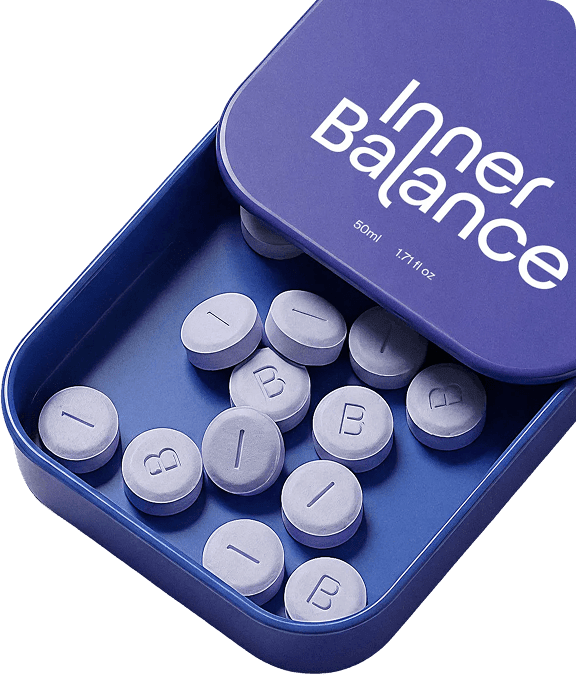
Libida™ is a sublingual tablet (no injection required) taken 45-60 minutes before intimacy, with effects lasting 24-72 hours. You use it when you want intimacy—not every day hoping it eventually works.
Compare this to oral DHEA, which may require months of daily use despite inconsistent evidence for libido benefit, or Addyi, which requires daily pills with alcohol-related precautions. Libida™ gives you control, with feedback within hours rather than months.
Making the Right Choice: DHEA vs. Brain-Based Solutions
When DHEA Makes Sense
Intravaginal DHEA is a strong choice if painful intercourse is your primary barrier, you have vaginal atrophy making sex uncomfortable, you can’t use systemic estrogen, or your desire returns once physical discomfort is resolved.
Oral DHEA is not a reliably effective libido treatment for most postmenopausal women. In selected cases, a clinician may still consider it, but guideline-level evidence does not support routine use for sexual symptoms.
When Libida™ Is the Better Path
Libida™ addresses the actual problem more effectively if your primary goal is restoring desire itself (not just comfort), you want predictable results in hours rather than months, you’re already on hormone therapy but desire still lags, you prefer non-hormonal approaches, you want on-demand control, or you have hormone-sensitive conditions making DHEA risky.
The Layered Approach
For comprehensive results, consider addressing all components:
- Physical foundation: Lubricants or intravaginal DHEA if vaginal atrophy is present
- Hormonal optimization: Hormone therapy if needed for systemic symptoms
- CNS desire activation: Libida™ for on-demand libido support
What Medical Organizations Say
The Endocrine Society guideline recommends against generalized DHEA use in women, rating evidence quality as “very low.” The Global Consensus Position Statement on testosterone therapy notes no evidence supports DHEA use for sexual dysfunction in women with intact adrenal function.
The North American Menopause Society acknowledges intravaginal DHEA as effective for genitourinary syndrome of menopause but does not recommend oral DHEA for libido enhancement.
The Evidence-Based Path Forward
If you’ve been researching DHEA for low libido, you deserve honest information. Clinical evidence for oral DHEA’s libido benefits remains mixed and inconsistent. You might raise hormone levels—and still feel no change in desire.
That’s because female sexuality is brain-based, and peripheral hormones don’t reliably activate central desire pathways.
Libida™ offers a different paradigm: direct CNS activation through dual pathways addressing both the neurochemical spark and emotional readiness that define female desire. On-demand dosing means you know within hours—not months—whether it works for you.
Your desire matters. And science finally has solutions that target where desire actually lives.
Frequently Asked Questions
Can I use DHEA and Libida™ together?
Yes, these approaches work through different mechanisms. Intravaginal DHEA addresses vaginal tissue health while Libida™ activates brain desire pathways. If you have both physical discomfort and low desire, combining approaches addresses both issues.
How quickly will I know if DHEA is working?
Oral DHEA requires 3-6 months of consistent daily use before you can evaluate effectiveness. Hormone levels may rise within weeks, but libido changes (if they occur) take longer. In contrast, Libida™ provides feedback within 45-60 minutes—you’ll know after one or two experiences whether it works.
Is Libida™ safe if I have hormone-sensitive history?
Libida™ is non-hormonal—it doesn’t contain estrogen, testosterone, or DHEA. It works through brain pathways (melanocortin and oxytocin receptors) rather than hormone receptors. This makes it a potential option for women who can’t use hormonal approaches, though you should discuss your medical history with your healthcare provider before starting any new treatment.
What if my hormones are already balanced but desire is absent?
This reveals that desire is brain-based, not just hormone-based. If hormone therapy has optimized your levels but desire remains absent, you likely need CNS activation rather than more peripheral hormones. Libida™ specifically addresses this gap by targeting brain pathways hormone therapy can’t reach.
How does Libida™ compare to other libido treatments?
Addyi requires daily dosing indefinitely with alcohol restrictions and shows modest benefit. Vyleesi requires injection and costs significantly per use. Libida™ contains bremelanotide in sublingual form (no needle), adds oxytocin for emotional connection support, and costs around $8-10 per experience on subscription. It’s the only product addressing both neurochemical desire and bonding pathways.


