


The romantic promise of aphrodisiac foods has captivated humans for centuries—oysters shared by candlelight, dark chocolate melting on your tongue, exotic spices meant to spark desire. Yet if you’ve tried loading up on zinc-rich shellfish and antioxidant-packed cacao only to find your libido unchanged, you’re not imagining things. The truth is, while certain foods support foundational health, female desire originates in the brain through specific neurological pathways that no amount of oysters can directly activate. That’s why Libida™, Inner Balance’s dual-pathway libido support, targets where desire actually lives—combining bremelanotide and oxytocin to address both the neurochemical spark and the emotional connection that women’s sexuality requires.
Key Takeaways
- Aphrodisiac foods support foundational health but cannot directly activate the brain’s desire pathways—belief, expectation, and context may account for a substantial share of their perceived benefits
- Oysters provide zinc essential for testosterone production, yet the ritual of eating them may spark desire more than the nutrients themselves
- Female libido originates in the brain through dopamine (motivation/wanting) and oxytocin (bonding/connection) pathways that food cannot directly stimulate
- Chronic stress suppresses libido more in women than men, with cognitive distraction being the strongest predictor of decreased arousal
- Libida™ combines bremelanotide (dopamine activation) with oxytocin (emotional connection) in a needle-free sublingual format—addressing both pathways that define how women’s sexuality actually works


The Allure of Aphrodisiac Foods: Myth or Mechanism?
Ancient Beliefs Meet Modern Science
From Cleopatra’s legendary love of oysters to the Aztec emperor Montezuma’s consumption of cacao before visiting his harem, aphrodisiac foods have held cultural significance across civilizations. The word “aphrodisiac” itself comes from Aphrodite, the Greek goddess of love—suggesting humans have long sought dietary shortcuts to desire.
The ritual of preparing and sharing a romantic meal—the anticipation, the sensory pleasure, the intention—can create psychological conditions favorable to intimacy. What aphrodisiac foods have not been shown to do reliably is directly trigger the brain-based desire response in women with persistent low libido.
The Sensory Experience vs. Biochemical Reality
When you bite into a piece of dark chocolate, several things happen simultaneously. Your taste receptors register sweetness and bitterness. Chocolate contains compounds that may influence mood and pleasure perception, but these effects do not reliably translate into increased sexual desire.
This sensory cascade can enhance mood and create associations with pleasure. However, research published in 2006 concluded that chocolate consumption “didn’t have a significant difference on the female sex drive.” The experience feels romantic, but the biochemistry doesn’t translate to desire activation.
Understanding this distinction matters because women experiencing persistent low libido need solutions that work beyond belief and ritual—solutions that address desire neuroscience itself.
Unpacking Oysters and Other Classic ‘Love Foods’ for Libido
Oysters: The Zinc Connection
Oysters deserve their reputation as a nutritional powerhouse—just not for the reasons Casanova claimed. Three ounces of oysters contain approximately 74mg of zinc, a mineral crucial for testosterone production in both men and women.
Research confirms adequate zinc improves testosterone levels and increases dopamine—a neurotransmitter involved in sexual motivation. The problem? This is a foundational support mechanism, not an instant desire trigger. Eating oysters tonight won’t spark wanting tomorrow morning. Regular zinc intake over weeks and months supports the hormonal environment that makes desire possible.
Other zinc-rich alternatives include red meat, pumpkin seeds, almonds, and lentils—all providing similar foundational benefits without the romantic mythology.
Dark Chocolate: Mood Enhancement Without Desire Activation
Dark chocolate contains compounds like phenylethylamine, tryptophan, and theobromine that affect brain chemistry. Studies in the Journal of the American Dietetic Association confirm these mood-lifting properties may heighten feelings of attraction and improve overall satisfaction. Yet the 2006 study’s conclusion remains significant: no measurable impact on female sex drive.
The distinction matters. Feeling happier doesn’t automatically translate to wanting intimacy. For women whose desire feels absent or muted, an improved mood is helpful but insufficient.
Watermelon, Pomegranates, and Circulation Supporters
Some aphrodisiac foods target blood flow rather than brain chemistry. Watermelon contains citrulline, which your body converts to L-arginine and nitric oxide—a related blood-flow pathway involved in vasodilation. This relaxes blood vessels and improves circulation.
Pomegranates provide powerful antioxidants that support cardiovascular health and blood flow. Beets contain natural nitrates with similar effects.
These foods may support arousal once desire exists—improved blood flow enhances physical response. But they don’t generate the psychological wanting that precedes arousal. This is why male-focused treatments targeting blood flow often fail women: female sexuality requires the brain to engage first.
Natural Aphrodisiacs for Women: What Actually Moves the Needle?
Hormonal Balance as Foundation
Before any aphrodisiac—food or pharmaceutical—can work optimally, your hormonal foundation matters. Estrogen, progesterone, and testosterone all influence libido at different stages.
Women in perimenopause often experience libido changes years before other symptoms appear, as progesterone and testosterone begin declining in the mid-30s.
Yet even with optimized hormones, some women report: “My labs look perfect, but I never feel like it.” This is where understanding desire’s true origin becomes crucial.
Stress Reduction and Its Limitations
Chronic stress creates a hormonal environment hostile to desire. A University of Texas study found women in high-stress groups had significantly higher cortisol levels (p = .02) and lower genital arousal (p = .04) compared to controls. Research consistently shows that stress affects female libido more profoundly than male libido, with cortisol levels inversely correlated with desire in women.
Stress management through meditation, exercise, improved sleep, and adaptogenic herbs like ashwagandha can lower cortisol over 4-8 weeks. Yet the most striking finding from the University of Texas research was that cognitive distraction—the mental effects of stress—predicted decreased arousal even more strongly than cortisol levels themselves.
This suggests that even when stress hormones normalize, the brain’s attention and motivation systems may remain dysregulated. Lifestyle modifications help but often aren’t sufficient alone.
Beyond the Kitchen: Understanding Pharmacological Approaches
Why Brain-Based Treatments Differ From Food
The fundamental limitation of aphrodisiac foods is their inability to directly activate specific neural pathways. Peer-reviewed neuroscience research demonstrates that dopamine and oxytocin operate bidirectionally during sexual behavior through precise circuits.
The mesolimbic dopamine pathway—running from the ventral tegmental area to the nucleus accumbens—governs sexual motivation, anticipation, and reward. When this pathway fires, you feel wanting, excitement, and mental engagement with the idea of intimacy. When it’s quiet, even optimal hormones and reduced stress may not translate to desire.
Simultaneously, oxytocin pathways activate bonding, trust, and emotional safety—equally essential for female sexuality. Unlike male-focused treatments that primarily target physical arousal, women’s sexuality requires both neurochemical drive AND emotional connection.
Foods may support overall health and mood, but there is no strong evidence that they reliably and directly activate the specific brain pathways involved in hypoactive sexual desire in a clinically meaningful way. This is why pharmaceutical approaches targeting the brain represent a different category of intervention entirely.
Available Prescription Options
Several FDA-approved medications address female low desire, each with distinct mechanisms:
- Addyi (flibanserin) works on serotonin receptors but requires daily dosing, carries an FDA boxed warning about alcohol interaction, and takes 4-8 weeks to show effect
- Vyleesi (bremelanotide) targets melanocortin receptors to boost dopamine and desire. It works within 45 minutes but requires self-injection—a barrier for many women. Cost per injection ranges from around $70-290
Both address part of the equation. Neither addresses the emotional connection pathway that shapes how women experience and respond to desire.
Libida™: A Dual-Pathway Approach to Igniting Desire in Women
How Libida™’s Unique Formulation Works
Libida™ represents a fundamentally different approach. It’s the first women-first libido solution combining bremelanotide with oxytocin—addressing both the neurochemical spark of desire AND the emotional connection pathways that female sexuality requires.
Bremelanotide activates melanocortin receptors (MC4R) in the hypothalamus, boosting:
- Dopamine and motivation
- Sexual thoughts and anticipation
- Arousal and responsiveness
Oxytocin activates bonding and emotional-safety pathways, supporting:
- Connection and closeness
- Emotional readiness for intimacy
- Relaxation and relational warmth
Together, they address how women’s sexuality actually works—not the male-centric blood-flow model that dominated pharmaceutical development for decades, but the brain-based, emotionally integrated experience of female desire.
What to Expect: Timing, Duration, and Benefits
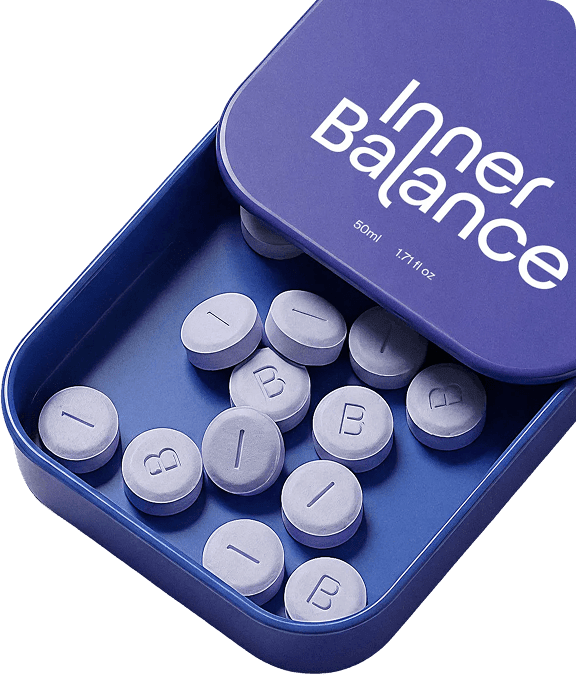
Libida™ comes as a tiny sublingual lozenge—no needles required. Key features include:
- On-demand dosing: Take approximately 30-60 minutes before anticipated intimacy
- Extended effects: May last 24-72 hours, supporting multiple experiences
- Clinical benefits: Increased desire and arousal, more satisfying sexual events, reduced distress about low libido, restored fantasies and responsiveness
- Cost-effective: Approximately $8-10 per experience compared to $25-130+ for injectable alternatives
The oxytocin component adds what no competitor provides: support for the emotional dimension of intimacy that women consistently identify as essential to satisfying sexuality.
Libida™ is non-hormonal and compatible with any hormonal status. Women can use it with hormone therapy for comprehensive support, or independently if hormones aren’t their primary concern.
Addressing Low Libido: When Hormonal Balance Paves the Way
The Foundation-Plus-Activation Model
Think of libido support as a two-tier system:
Foundation layer includes:
- Hormonal balance (estrogen, progesterone, testosterone)
- Stress management
- Adequate sleep
- Relationship quality
- Overall health
Foods like oysters, dark chocolate, and pomegranates support this foundation.
The activation layer addresses the brain pathways that generate wanting. No matter how solid your foundation, if the neurological circuitry isn’t firing, desire remains absent.
This explains the “missing piece” phenomenon many women experience. They optimize hormones, improve diet, manage stress, maintain loving relationships—yet desire still feels flat. The foundation is solid. The activation system needs direct support.
When to Consider Each Approach
Foundation support first makes sense when:
- You’re experiencing multiple hormone imbalance symptoms (irregular cycles, sleep disruption, mood changes, hot flashes) alongside low libido
- Addressing root causes through comprehensive hormone therapy often improves desire as part of whole-body restoration
Activation support becomes relevant when:
- Hormones are optimized but desire lags
- You love your partner but “never feel like it”
- Your spark feels muted despite healthy lifestyle choices
- You want an on-demand option for specific situations rather than daily medication
Many women benefit from both—using hormone therapy for foundational restoration and Libida™ for targeted neurological support when desire needs an extra boost.
Beyond Desire: The Role of Emotional Connection and Well-being
Why Oxytocin Matters for Women’s Sexuality
Male-focused sexual medicine historically ignored what women consistently report: emotional connection is inseparable from satisfying sexuality. Feeling safe, bonded, and emotionally present with a partner isn’t a nice-to-have—it’s foundational to female arousal and satisfaction.
Neuroscience research confirms this subjective experience has biological roots. Oxytocin pathways integrate with dopamine systems during sexual behavior, creating bidirectional reinforcement. Connection enhances desire; desire deepens connection.
This is precisely why Libida™ includes oxytocin—the only libido treatment acknowledging and supporting the emotional dimension of women’s sexuality. Other treatments activate the “wanting” circuit while ignoring the “connecting” circuit that women need equally.
Integrating Mind, Body, and Relationship
Optimal sexual wellness involves multiple dimensions:
- Physical health and hormone balance
- Neurological pathways generating desire
- Emotional safety and partner connection
- Relationship communication and quality
- Mental presence without distraction
Aphrodisiac foods can contribute to shared rituals and sensory pleasure. Stress management removes barriers. Hormone optimization creates favorable conditions. But when desire itself—the neurochemical experience of wanting—needs support, brain-based solutions like Libida™ address what foods and lifestyle cannot.
Frequently Asked Questions
Do aphrodisiac foods like oysters have any real benefit for women’s libido?
Aphrodisiac foods provide genuine nutritional benefits that support hormonal and cardiovascular health. Oysters supply zinc essential for testosterone; dark chocolate contains mood-enhancing compounds; watermelon supports circulation. However, these foods support foundational health rather than directly activating desire. The ritual and intention of sharing aphrodisiac foods may enhance intimacy through psychological pathways, but research shows expectation and belief account for much of their perceived benefit. For persistent low libido, brain-based treatments addressing actual desire pathways provide more reliable results.
How is Libida™ different from other prescription treatments for low libido?
Libida™ is the only treatment combining bremelanotide (which activates dopamine and desire pathways) with oxytocin (which supports emotional connection and bonding). Other options address only part of the equation: Vyleesi requires injection and lacks oxytocin; Addyi requires daily dosing with alcohol restrictions. Libida™ offers sublingual delivery (no needles), on-demand use, effects lasting up to 72 hours, and a dual-pathway approach reflecting how women’s sexuality actually works—at approximately $8-10 per experience versus $70-290 for injectable alternatives.
Can I use Libida™ if I’m already on hormone replacement therapy?
Yes. Libida™ is non-hormonal and compatible with any hormonal status. Many women find that hormone optimization addresses foundational symptoms while Libida™ provides targeted neurological support for desire specifically. The two work complementarily—hormone therapy restores the hormonal environment, while Libida™ activates the brain pathways that generate wanting.
What causes low libido in women, and when should I seek professional help?
Low libido affects approximately 10% of adult women severely enough to cause distress, with prevalence increasing during perimenopause and menopause. Common causes include hormone imbalance, chronic stress, relationship factors, medications (especially antidepressants), and medical conditions. Seek professional evaluation when low desire persists for several months, causes personal distress or relationship strain, or accompanies other symptoms like sleep disruption, mood changes, or irregular cycles.
Are there any women who shouldn’t use Libida™?
Libida™ is not appropriate during pregnancy, breastfeeding, uncontrolled hypertension, or certain cardiovascular conditions. As with any prescription treatment, a healthcare provider will evaluate your complete health history before prescribing. Inner Balance’s board-certified physicians, licensed in all 50 states, review each patient’s individual circumstances to ensure appropriate candidacy and safe use.


