If your desire feels muted, disconnected, or simply missing, you’re not alone—and you’re not broken. While Addyi offered the first FDA-approved daily pill for low libido, many women seek alternatives that fit their lifestyle better or address the full complexity of female desire. The most effective solutions recognize that women’s sexuality involves both neurochemical pathways and emotional connection.
Key Takeaways
- Female desire operates through dual pathways—neurochemical motivation and emotional bonding—and the most effective treatments address both
- Inner Balance Libida™ combines bremelanotide with oxytocin, creating the only dual-pathway sublingual option for on-demand desire support
- On-demand treatments allow spontaneity without daily medication requirements or alcohol restrictions that accompany some options
- Hormonal imbalance often underlies low libido, making foundational hormone optimization through solutions like Oestra™ essential for lasting results
- Sublingual delivery eliminates the need for injections while providing rapid onset within 45-60 minutes
- Hypoactive Sexual Desire Disorder (HSDD) is estimated to affect approximately 1 in 10 premenopausal women, with studies showing that postmenopausal women are disproportionately affected by sexual desire concerns—yet effective treatments remain underutilized
- Cost per use varies dramatically across options, from $8-10 with some sublingual formulations to $250+ per injectable dose
1. Inner Balance – Dual-Pathway Desire Support with Libida™ and Hormonal Foundation
Inner Balance addresses women’s sexual health through a comprehensive approach that recognizes desire isn’t just about chemistry—it’s about connection too. Our newest solution, Libida™, combines bremelanotide with oxytocin in a convenient sublingual tablet—designed to support both desire signaling and emotional connection.
How Libida™ Works: Targeting Both Brain Pathways
Women’s desire doesn’t work like a simple on-off switch. It involves two distinct neural pathways that most treatments ignore. Libida™ addresses both:
Bremelanotide activates melanocortin receptors (MC4R) in the hypothalamus, boosting dopamine levels that drive motivation, sexual thoughts, anticipation, and arousal. This is the same FDA-approved ingredient used in the injectable treatment for desire, now available in sublingual form.
Oxytocin activates bonding and emotional-safety pathways, supporting connection, closeness, emotional readiness, and relational warmth. This pathway reflects how women’s sexuality actually operates—desire emerges from feeling safe and connected, not just chemically stimulated.
Together, these compounds address both the neurochemical spark of desire and the emotional foundation that makes intimacy meaningful.
Key Benefits of the Inner Balance Approach
On-Demand Convenience:
- Tiny sublingual lozenge dissolves under the tongue—no injections needed
- Take approximately 45-60 minutes before intimacy
- Effects may last 24-72 hours, allowing for spontaneous connection
- No daily pill requirement or alcohol restrictions
Dual-Pathway Effectiveness:
- Increased desire and arousal based on clinical evidence for bremelanotide component
- More satisfying sexual events
- Reduced distress related to low desire
- Restored fantasies and responsiveness
- Enhanced emotional connection and bonding through oxytocin pathway
Compatibility with Hormonal Optimization: Libida™ is non-hormonal and compatible with any hormonal status. For women whose hormones are addressed but desire still feels flat, Libida™ serves as the missing piece. It can be used alongside Oestra™ for comprehensive support.
The Hormonal Foundation: Why Oestra™ Complements Libida™
Many women experiencing low libido also have underlying hormone imbalance that began years before they noticed desire changes. Progesterone decline starts in your 30s, followed by estrogen fluctuations that affect everything from mood to vaginal comfort.
Oestra™ vaginal hormone cream provides 90% of women reported better sleep, libido, and mood within 6 weeks.* *Based on internal data; results vary. Superior bioavailability through vaginal delivery, bypassing liver metabolism for more consistent hormone levels. [EDIT: Broken link removed – pharmacologically accurate claim requires working source from marketing team]
When desire issues stem from hormonal decline, Oestra™ addresses the foundation. When desire needs additional neurological support, Libida™ amplifies the spark.
Who Benefits Most from Inner Balance
Libida™ is designed for women whose desire feels muted, disconnected, or missing—particularly those who identify with statements like “my spark is gone” or “I love my partner, but I never feel like it.” It’s especially valuable for:
- Women with HSDD (Hypoactive Sexual Desire Disorder) or persistent low libido
- Women whose hormones are optimized but desire remains flat
- Those seeking a non-hormonal, on-demand, brain-first option
- Women who prefer avoiding daily medication or injections
Important considerations: Libida™ is compounded for off-label use under clinician guidance. It is not appropriate during pregnancy, breastfeeding, uncontrolled hypertension, or certain cardiovascular conditions.
Pricing and Access
Libida™ Options:
- One-time purchase: $249 for 10 tablets
- Monthly subscription: $199/month for 10 tablets
- Best value: $249 for 20 tablets ($279 charged every 2 months)
- Extended supply: $299 for 30 tablets (charged every 3 months)
- Cost per use: approximately $8-10 per experience
- HSA/FSA eligible
Oestra™ for Hormonal Foundation:
- First 6 months: $199/month (90-day supply)
- Ongoing: $99/month thereafter
- 180-day money-back guarantee
Inner Balance serves women across all 50 states through telehealth, with board-certified physicians providing personalized treatment within 24-48 hours of completing the patient quiz.


2. Vyleesi (Bremelanotide) – FDA-Approved Injectable
Vyleesi represents the first FDA-approved on-demand treatment for premenopausal women with acquired, generalized HSDD. It uses bremelanotide, the same active ingredient in Libida™’s formulation, delivered via subcutaneous injection.
How It Works: Bremelanotide activates melanocortin receptors in the brain, increasing dopamine and norepinephrine activity associated with sexual desire. Users self-inject approximately 45 minutes before anticipated sexual activity.
Considerations:
- FDA-approved specifically for premenopausal HSDD
- No alcohol restrictions unlike daily pill alternatives
- 40% of users experience nausea as the most common side effect, though this tends to improve after the first dose
- Self-injection required for each use
- Maximum 8 doses per month recommended
- Approximately $250 per injection out of pocket
Best For: Premenopausal women who prefer an FDA-approved option and are comfortable with self-injection.
3. Behavioral Therapies – Addressing Psychological Factors
Psychological interventions including cognitive behavioral therapy (CBT), mindfulness-based therapy, and sex therapy represent first-line recommendations from leading experts for HSDD treatment.
Types of Behavioral Approaches:
Cognitive Behavioral Therapy (CBT):
- Targets negative thought patterns affecting desire
- Large effect sizes demonstrated in multiple randomized controlled trials
- Typically 8-12 weekly sessions
- Cost: Approximately $100-200 per session ($1,200-2,400 total course)
Mindfulness-Based Therapy:
- Strong effect sizes with benefits sustained at 1-year follow-up
- Addresses arousal issues and post-trauma concerns
- Typically 8 weekly sessions
- Online programs now available, improving accessibility
Sex Therapy:
- Improves intimacy and relationship dynamics
- Addresses technique education and communication
- 6-12 sessions typical
- Cost: Approximately $100-250 per session
Considerations:
- No medication side effects
- Addresses root psychological and relational factors
- Durable results that persist after treatment ends
- Significant time commitment required
- Access barriers including therapist availability and cost
Best For: Women whose low desire stems primarily from psychological factors, trauma history, or relationship dynamics.
4. Hormone Therapies – Off-Label Options
Testosterone therapy, while not FDA-approved for women in the United States, shows consistent effectiveness for improving sexual desire in postmenopausal women.
Available Approaches:
Testosterone (Off-Label):
- Transdermal delivery most common (creams, gels)
- Significant improvement in desire demonstrated in major studies
- Requires monitoring for potential side effects including acne and hair changes
- Cost: Approximately $30-100 monthly for compounded preparations
Estrogen Therapy:
- Addresses vaginal dryness that can impair sexual comfort
- Approved for menopause symptoms, not specifically for libido
- Multiple delivery options available
Considerations:
- No FDA-approved testosterone product for women in the US
- All testosterone use for libido is off-label
- Requires regular monitoring and dose adjustment
- Addresses hormonal component but not neurological pathways
Best For: Postmenopausal women with documented low testosterone who want to address hormonal foundations of desire.
5. Natural Supplements – Evidence-Based Options
Several botanical compounds show promising evidence for female sexual function, though quality varies dramatically across products.
Supplements with Research Support:
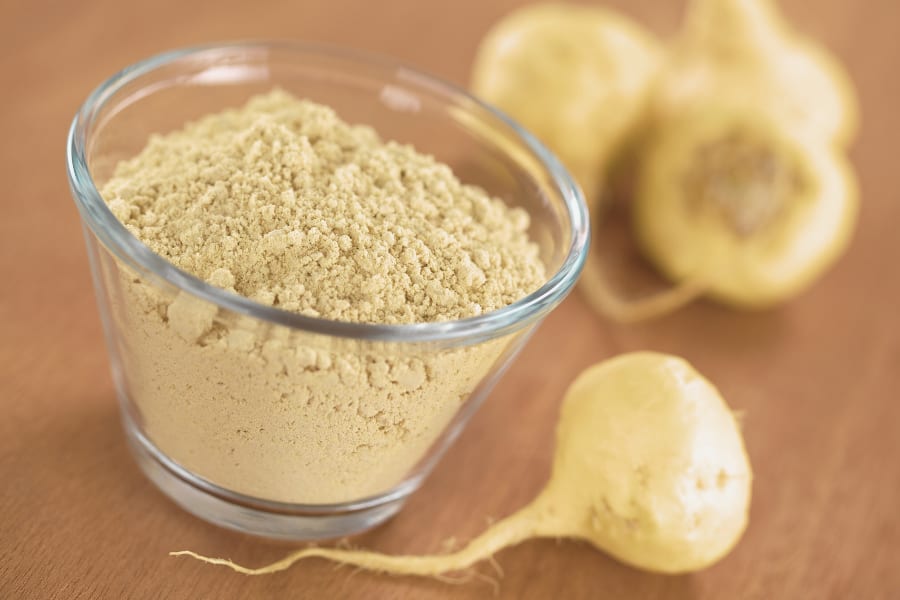
Maca Root:
- Improves desire in pre and postmenopausal women
- Particularly strong evidence in postmenopausal populations
- Generally well-tolerated
Ashwagandha:
- Significant improvement in arousal, lubrication, and orgasm after 8 weeks in studies
- Adaptogen properties may address stress-related desire issues
L-Arginine:
- Nitric oxide precursor improving blood flow
- Systematic review shows greater arousal and satisfaction in HSDD
Tribulus Terrestris and Panax Ginseng:
- Systematic review identifies promising evidence for female sexual dysfunction
Critical Considerations: ISSWSH cautions that OTC supplements are not regulated by the FDA, and companies can make misleading claims about safety and efficacy. Women should avoid self-treating without guidance from a licensed healthcare provider.
Cost: Approximately absorb directly through the $15-80 monthly depending on supplement and quality
Best For: Women seeking complementary approaches alongside primary treatment, with healthcare provider guidance.
6. Lifestyle Modifications – Foundation for Desire
Evidence-based lifestyle interventions support sexual health and can enhance the effectiveness of other treatments.
Exercise: Research indicates 80% reduction in low libido risk with frequent physical activity. Exercise improves hormone balance, mood, and body image—all contributors to desire.
Sleep Optimization: Each additional hour of sleep correlates with 14% increased odds of sexual activity, with improved genital arousal response.
Stress Management: Chronic stress elevates cortisol, which competes with sex hormones and suppresses desire. Mindfulness, yoga, and meditation all show benefits.
Pelvic Floor Therapy: Improves blood flow, nerve response, and reduces pain that can impair sexual comfort and desire.
Cost: Variable, often minimal to no cost for basic lifestyle changes
Best For: All women seeking to optimize sexual health, as a foundation alongside other treatments.
7. Emerging Treatments – Pipeline Options
Several treatments are in development for female sexual dysfunction, though none are currently available.
WSD4000: Topical gel in early feasibility studies, expected to begin H1 2026 Lorexys: Combination bupropion and trazodone under development Intranasal Testosterone: Alternative delivery method being studied
The FSD treatment pipeline remains relatively sparse, with only 3 of 24 drugs in Phase III development as of 2024.
Making The Right Choice
Choosing among Addyi alternatives requires honest evaluation of what’s driving your desired concerns. For many women, multiple factors contribute—hormonal decline, stress, relationship dynamics, and neurological pathways all play roles.
The most comprehensive approach addresses these layers systematically. Inner Balance offers this through the combination of Libida™ for neurological and emotional pathway support plus Oestra™ for foundational hormonal optimization.
Consider what matters most to you: On-demand flexibility versus daily medication? Addressing both brain chemistry and emotional connection? Avoiding injections? Cost per use?
Women who have tried other options without satisfaction often find that addressing both the hormonal foundation and the neurological pathways of desire produces the breakthrough they’ve been seeking.
Frequently Asked Questions
How do I know which low libido treatment is right for me?
Start by identifying what underlies your desire concerns. If you’re experiencing perimenopause symptoms like mood changes, sleep disruption, or vaginal dryness alongside low libido, hormonal optimization may be foundational. If hormones are balanced but desire still feels flat, neurological support through options like Libida™ addresses the brain pathways where female desire originates. Many women benefit from addressing both.
What makes Libida™ different from Vyleesi?
Both contain bremelanotide, the FDA-approved active ingredient for desire. However, Libida™ adds oxytocin to address the emotional connection pathway that shapes women’s arousal patterns—something no other product provides. Libida™ is also sublingual (no injection required) and costs approximately $8-10 per use versus $250+ for Vyleesi. Libida™ contains the same FDA-approved active ingredient used in the FDA-approved injectable treatment for desire, compounded for off-label use under clinician guidance.
Can I use Libida™ if I’m already on hormone therapy?
Yes. Libida™ is non-hormonal and compatible with any hormonal status. It can be used alongside Oestra™ or other hormone therapies. For women whose hormones are optimized but desire hasn’t fully responded, Libida™ serves as the missing piece that addresses brain-based pathways.
Why didn’t Addyi work for me?
Addyi (flibanserin) works through serotonin and dopamine pathways and requires daily dosing to build effectiveness over 4-8 weeks. Some women don’t respond because their desire issues involve different pathways, hormonal factors, or emotional connection components that Addyi doesn’t address. The alcohol restriction also makes it impractical for many women. On-demand options targeting different mechanisms may provide better results.
Are natural supplements safe to try for low libido?
Some supplements like maca, ashwagandha, and Tribulus show promising evidence, but the ISSWSH warns that OTC supplements lack FDA regulation, meaning quality, purity, and potency vary dramatically. Work with a healthcare provider rather than self-treating to ensure safety and avoid interactions with other medications.