


Bioidentical Progesterone
Protects the uterine lining, promotes restful sleep,balances estradiol, and supports a calm nervous system.
Bioidentical Progesterone
Hormone Support
Bioidentical progesterone for protection and balance
- Bioidentical
- uterine support
- CALMING SUPPORT
Ingredient Sourcing
- Compounded using pharmaceutical-grade ingredients sourced from US manufacturers.
- Third-party labs verify that the strength in the bottle matches the prescription on the label.
- Our active ingredients arrive with a Certificate of Analysis to confirm 100% purity.
Bioidentical Estriol
Supports brain, bones, metabolism, mood, vaginal tissue, and long-term vitality.
Bioidentical Estriol
Hormone Support
Bioidentical estradiol — the body’s most active estrogen
- Bioidentical
- systemic effect
- plant-derived
Ingredient Sourcing
- Compounded using pharmaceutical-grade ingredients sourced from US manufacturers.
- Third-party labs verify that the strength in the bottle matches the prescription on the label.
- Our active ingredients arrive with a Certificate of Analysis to confirm 100% purity.
Ellage® Anhydrous Base
Engineered for vaginal absorption to enhance bioavailability, maintain natural pH, prevent leakage, and deliver stable systemic hormone levels.
Ellage® Anhydrous Base
Hormone Support
Ellage® anhydrous base for enhanced absorption
- anhydrous
- ph-balanced
- stable delivery
Why it matters
- 100% paraben-free, fragrance-free and contains no endocrine disruptors.
- Water-free and designed for sensitive vaginal tissue.
- Enhances absorption, prevents leakage, and maintains natural pH for consistent systemic hormone levels.
Supports Natural Testosterone
Progesterone serves as a precursor to testosterone, supporting libido, motivation, strength, and energy — naturally and without another product.
Supports Natural Testosterone
Hormone Support
Progesterone supports natural testosterone production
- NO SYNTHETIC TESTOSTERONE
- downstream conversion
- self-regulated
Why no added testosterone?
- Progesterone is a precursor to testosterone.
- Restoring it allows your body to regulate its own optimal levels — supporting libido, strength, and energy naturally.


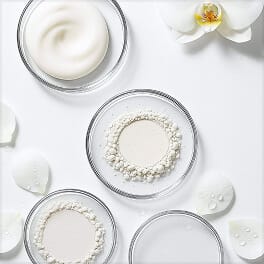
bioidentical estradiol & micronized progesterone
Molecularly identical to the hormones your body naturally produces.
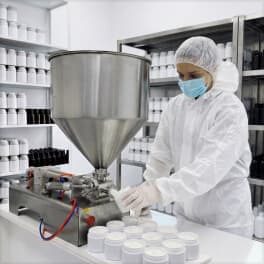
Pharmaceutical-Grade
Active Ingredients
Sourced from FDA-inspected U.S. manufacturers. Compounded by a Licensed U.S. Pharmacy
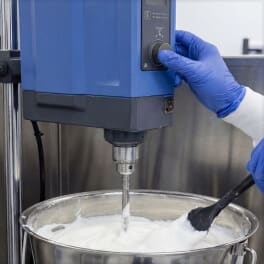
third-party potency testing
Independent labs confirm the strength and accuracy of every compounded formula.

Clean, pH-Balanced Cream
Fragrance-free, paraben-free, and designed for optimal absorption.

Clinician-Guided Dosing
Dose increases are based on your symptoms and response. Treatment is guided by clinical evaluation and how you feel.





Why I created Oestra
After treating thousands of women, a clear pattern emerged — anxiety, poor sleep, brain fog, and low energy, often dismissed despite “normal” labs. Existing hormone therapy felt fragmented and overly complex. Oestra was created to simplify care and actually address how women feel.
Why symptoms matter more than “normal” labs
Lab results don’t always reflect how hormones fluctuate in real life. Many women feel unwell despite being told everything is “normal.” Symptoms like brain fog, anxiety, and poor sleep are often more accurate indicators — and should guide treatment decisions.
What age can I start?
Hormonal changes often begin years before menopause, during perimenopause. Symptoms like anxiety, poor sleep, and low energy can appear even with normal labs. Starting support earlier can help stabilize these changes instead of waiting for symptoms to worsen.
Why Oestra® is different?
Traditional hormone therapy often targets a few symptoms like hot flashes or sleep. Oestra takes a broader approach, supporting brain function, metabolism, energy, skin, and overall wellbeing. It’s designed to help women feel fully balanced — not just manage isolated symptoms.
Why hormone therapy feels so complicated — and how we simplify it?
Hormone therapy is often fragmented into multiple prescriptions, lab tests, and trial-and-error adjustments that can take years. Oestra was designed to simplify the process into a single, streamlined approach that fits into your life without unnecessary complexity or cost.
Why simplicity matters in hormone therapy?
Oestra® combines estradiol and progesterone into a single daily treatment, replacing the need for multiple prescriptions. By simplifying the process, it becomes easier to stay consistent and see results. Sometimes the most effective solution is the simplest one.
Why estradiol and progesterone are combined?
Estradiol and progesterone work together to support the entire body — including brain health, metabolism, skin, sleep, and the nervous system. Using both helps restore balance more effectively than treating hormones in isolation.
Why Oestra uses vaginal delivery?
Vaginal delivery allows hormones to be absorbed directly into the bloodstream, supporting more stable levels and consistent symptom relief. Oral hormones are processed through the liver, and topical options have low absorption and risk transfer.
How long does it take to feel results?
Many women notice improvements in sleep, mood, and vaginal health within the first few weeks. Changes to skin, hair, and cognitive symptoms like brain fog typically take 2–3 months. Hormone balance builds over time.
What happens after you start Oestra®?
Your care begins with a clinician reviewing your assessment. Your prescription is compounded and shipped directly to you, with ongoing adjustments and access to clinical support as your needs evolve.
Is Oestra safe for long-term use?
Oestra uses bioidentical estradiol and micronized progesterone, identical to the body’s natural hormones. Treatment is monitored and adjusted over time, focusing on safe, long-term support.
Why Oestra® doesn’t include testosterone?
Oestra® restores progesterone, which the body can naturally convert into testosterone as needed. This supports balance without forcing levels and helps avoid side effects like acne, hair loss, or weight gain.
Is Oestra® a prescription treatment?
Oestra® is a prescription-based hormone therapy reviewed by a clinician and tailored to your symptoms. It’s compounded in a licensed pharmacy using pharmaceutical-grade ingredients.

Step 1Complete our 2-minute health quiz
Help us understand your symptoms to see if Oestra® suits you.


Step 2Receive your
prescription treatment
Once approved, your meds ship to your door. No visit needed.


Step 3Start treatment and
get ongoing support
Our clinical care team is always here for you whenever you want to check in.


